UAV Battery Types Explained: Which Option Delivers the Best Performance and Safety?
971
UAV Battery Types Explained: Which Option Delivers the Best Performance and Safety?
Unmanned aerial vehicles are powered by a drone battery, which also provides energy to sensors, motors, and flight control systems.
Even the most sophisticated drones are ineffective without a dependable battery.
Flight time, payload capacity, and operating safety are all influenced by batteries.
High-efficiency, high-energy-density batteries are essential to modern UAVs’ ability to fly for extended periods of time while staying within weight restrictions.
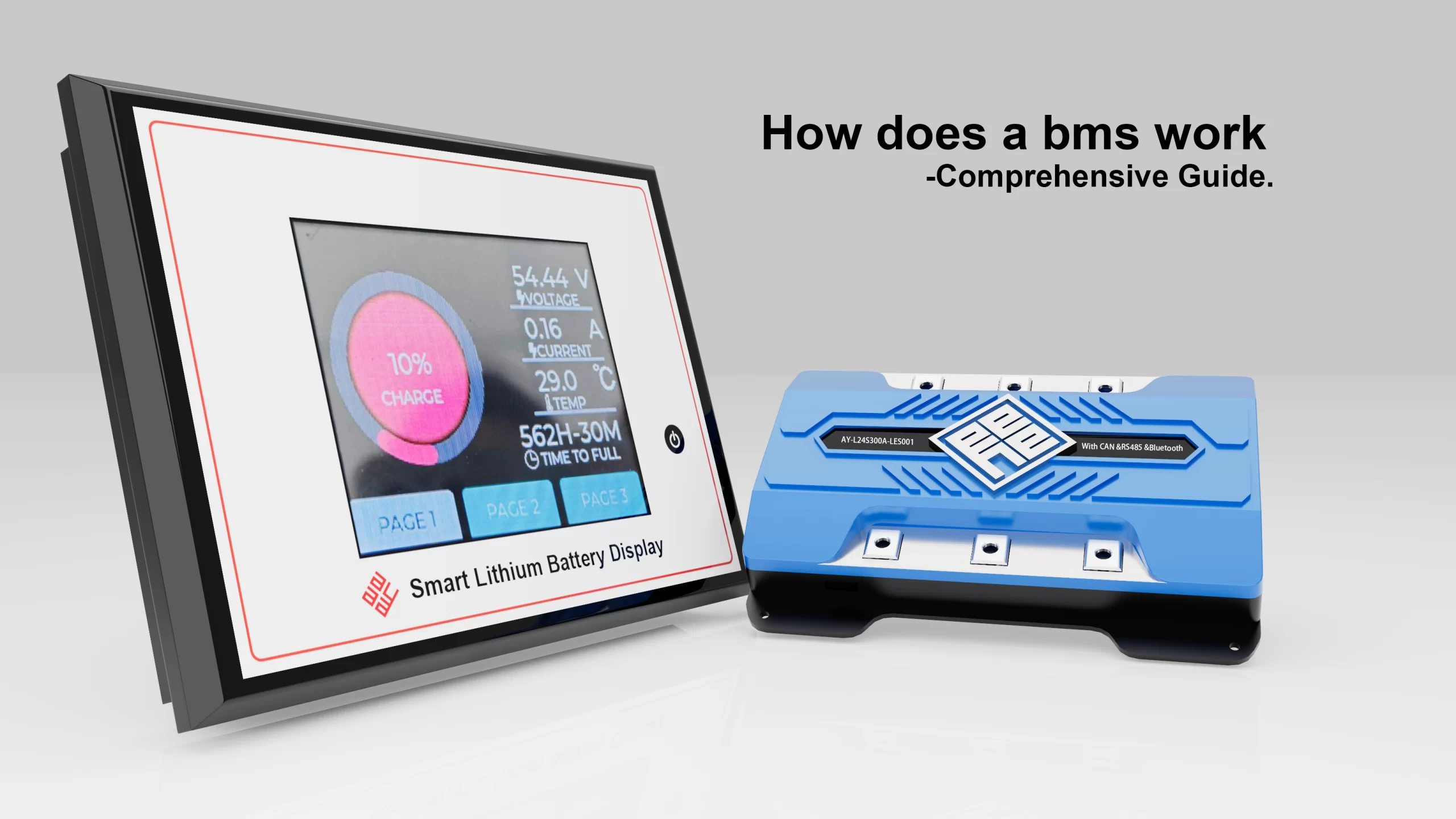
The Battery Management System (BMS) is an essential component of any batterie pour drone system.
In addition to ensuring balanced charging and discharging and preventing hazardous situations like overcharging or deep discharge, a BMS keeps an eye on temperature, voltage, and current.
Regardless of the weather, drones may fly securely and reliably thanks to this protective covering.
What Are the Main UAV Battery Types Available Today?
1. Lithium Polymer (Li-Po) Batteries
Because Li-Po batteries are lightweight, flexible, and have a high energy density, they are frequently found in both consumer and commercial drones.
They are perfect for small UAV designs because they may be produced in a variety of shapes.
For drones that need power bursts during quick movements, Li-Po cells’ high discharge rates are crucial.
Advantages:
High energy-to-weight ratio
Flexible shapes and sizes
High discharge rates for agility
Rechargeable and compatible with most drone BMS
Disadvantages:
Sensitive to overcharging and overdischarging
Requires careful storage to prevent swelling
Needs advanced BMS to ensure long-term safety
2. Lithium-Ion (Li-Ion) Batteries
Li-Ion batteries offer a higher energy density per cell but a somewhat lower discharge rate than Li-Po batteries.
Larger UAVs, industrial drones, and applications needing longer flight durations at constant power levels are frequently equipped with them.
Although they are rarely seen in contemporary UAVs, NiCd batteries are nevertheless utilized in specialist or historical applications.
They are renowned for their exceptional durability and low-temperature performance.
Advantages:
Can operate in extreme temperatures
Robust and tolerant to abuse
Long cycle life
Disadvantages:
Lower energy density
Memory effect requires careful cycling
Heavier than Li-Po and Li-Ion
Which UAV Battery Type Offers the Best Capacity-to-Weight Ratio?
Li-Po batteries dominate the market for the majority of contemporary drones because of their lightweight, high-energy, and versatile form factor.
Long-range UAVs with large payloads are better suitable for Li-Ion batteries, whereas NiCd is more specialized.
A balance between flight time, weight, and operational safety must be struck while choosing UAV battery types.
Whichever battery type is selected, safe operation is guaranteed by a well integrated BMS.
In order to avoid dangerous situations that could impair performance or harm the battery, the BMS continuously checks the voltage and temperature across each cell.
How Does a UAV Battery Management System (BMS) Ensure Safety?
A UAV battery alone cannot guarantee safe flight.
Modern drones rely on a Battery Management System (BMS) that incorporates:
ST Microcontroller Unit (MCU): The brain of the BMS, controlling all monitoring and protective functions
Battery Control Chip: Manages voltage and current flow for each cell
MOSFETs: Switches that regulate power distribution and protect against overcurrent
NTC Temperature Sensors: Monitor thermal conditions to prevent overheating
Balancing Circuits: Ensure all cells maintain equal voltage for safe charging and discharging
The BMS enables features like:
Automatic discharge control
Surveillance en temps réel de la tension, du courant et de la température
Overvoltage, undervoltage, overcurrent, and thermal protection
These characteristics allow the BMS to prolong battery life, provide steady power delivery, and avert catastrophic failures—particularly in high-performance UAVs where power needs vary quickly.
How Are UAV Battery Packs Built Step by Step?
Step 1: Choose the Right Chemistry and Cells
Choose the battery chemistry (Li-Po, Li-Ion, or NiCd) according to the intended endurance, weight restrictions, and flight requirements.
Take into account the connector type, voltage, discharge rate, and capacity (mAh).
Step 2: Integrate a BMS
Incorporate a BMS tailored to the battery type. Ensure the BMS can:
Monitor individual cell voltages
Manage temperature sensors
Provide balancing for long battery life
Offer overcurrent protection
Step 3: Mechanical Design and Thermal Management
Design the battery pack casing to be robust, lightweight, and resistant to vibration.
Include heat sinks or thermal pads for efficient heat dissipation.
Step 4: Connect Cells in Series or Parallel
Arrange cells according to voltage and capacity requirements.
For example, 3S Li-Po packs (3 cells in series) produce 11.1V, while parallel configurations increase capacity.
Step 5: Testing and Validation
Perform rigorous charging, discharging, and stress tests.
Validate the BMS functionality, including cell balancing, fault detection, and thermal monitoring.
What Are the Key Considerations When Selecting UAV Battery Types?
Weight vs. Capacity – Heavier batteries reduce agility but increase flight time.
Voltage and Discharge Rate – Must match drone motors and electronic speed controllers (ESC).
Form Factor – Compatibility with drone frame and payload.
Dispositifs de sécurité – Ensure BMS integration to prevent fires or failures.
Durability – Consider environmental conditions such as temperature and vibration.
Proper selection ensures maximum UAV performance, safety, and operational efficiency.
How Do UAV Battery Types Affect Flight Time and Payload Capacity?
The battery’s weight and energy density have a direct impact on flight duration.
Longer missions without going above weight restrictions are made possible by high-capacity Li-Po packs.
Li-Ion may give industrial UAVs more endurance, but it may also make them less agile.
Consistent performance is guaranteed by BMS integration, which balances cells during flight to avoid voltage drops and early shutdowns.
Battery weight also restricts payload capacity.
Drones can carry sensors, cameras, or cargo with efficient UAV battery types that have a high energy density without compromising flight time.
How Does Proper Maintenance Extend UAV Battery Lifespan?
Even with advanced BMS protection, regular maintenance is crucial:
Évitez les écoulements profonds – Keep batteries above 40% SOC when not in use
Store in a cool, dry environment – Prevents chemical degradation
Cycle batteries periodically – Recharge fully every 2–3 months
Clean terminals – Reduces resistance and ensures stable voltage
Avoid high-altitude overuse – Prevents overheating and stress
These practices, combined with BMS monitoring, maximize performance and prevent unexpected failures.
Integrating UAV Battery Types Into Your Fleet
Selecting the appropriate UAV battery types affects endurance, payload, and safety, among other elements of drone operation.
Lightweight, nimble drones are Li-Po’s forte, long-duration, heavy-lift UAVs are Li-Ion’s, and harsh conditions are NiCd’s.
A well-designed BMS guarantees the safe operation of all battery types, preserves cell balance, and gives precise state-of-charge (SOC) data for flight planning.
Building Smarter UAVs with BMS-Enhanced Battery Packs
Combining the right UAV battery types with an intelligent BMS creates a reliable, high-performance power system.
Industrial, commercial, and recreational UAVs benefit from:
Longer flight durations
Enhanced safety and reliability
Consistent power delivery
Reduced risk of catastrophic battery failures
Proper battery selection and BMS integration make UAV operations safer, more efficient, and scalable for complex missions.
UAV Battery Types and BMS: The Foundation of Safe and Efficient Drone Operations
Choosing the appropriate UAV battery types and combining them with a cutting-edge BMS is crucial for contemporary drone operations; it is not an alternative.
The drone’s operational success is supported by a well planned battery system, which extends flight time and cargo capabilities while guaranteeing steady voltage and safe thermal performance.
Battery chemistry, capacity, and BMS sophistication must be given top priority by businesses and drone operators that want to optimize UAV dependability and efficiency.
Ayaa Technology supports commercial, industrial, and high-performance applications globally by offering cutting-edge UAV battery solutions with integrated BMS.
FAQ
Q1:What kind of batteries are used in UAVs?
A1:Lithium batteries are the most used power supply sources for UAV applications.
However, UAVs’ flying endurance and load capacity would be severely constrained by the low energy/power density of lithium batteries.
Q2:What are the different types of drone batteries?
A2:There are several kinds of batteries available on the market, such as nickel-metal hydride (NiMH), lithium polymer (LiPo), and lithium-ion (Li-ion).
You may choose the finest option for your drone’s needs by being aware of the distinctions.
Q3:Which is better, 1C or 0.5C battery?
A3:Manufacturers usually use the 1C rate to rate capacity, so a 10Ah battery can provide 10 amps for an hour.
On the other hand, it produces 5 amps for two hours at 0.5C and 20 amps for half an hour at 2C.
Q4:What is the best battery for a UAV?
A4:Because of their high energy density and portability, lithium polymer (LiPo) batteries are one of the most widely used options for UAVs.
These batteries are perfect for drones that need to fly for extended periods of time since they provide a strong weight-to-capacity ratio.
Q5:What are the 4 types of drones?
A5:Single-rotor, multi-rotor, fixed-wing, and hybrid VTOL drones are the four main categories into which drones fall.
From large-scale land surveys and industrial inspections to precise mapping and monitoring, each type meets distinct operational needs.