The Power Behind Precision: Why Choose a 6S Drone Battery
3661
The Power Behind Precision: Why Choose a 6S Drone Battery
A lithium-based battery pack made up of six separate cells connected in series is known as a 6S drone battery. The nominal voltage of each lithium-ion or polymère de lithium cell is normally 3.7V, so that the total voltage for the whole 6S arrangement is 22.2V. The 6S battery’s power profile makes it perfect for drones that require a lot of energy, such as delivery UAVs, industrial inspection drones, and agricultural models.
The 6S battery allows greater RPMs in brushless motors while lowering the need for excessive current, which improves overall efficiency and lowers heat generation, in contrast to smaller designs like 3S or 4S. This power gain results in longer mission durations, improved cargo capacities, and more stable flights in advanced applications.
Why Choose a 6S Drone Battery?
Selecting a 6S battery involves considerations of performance, safety, and application fit in addition to higher voltage. Strong power spikes are frequently needed by high-performance drones to control lift, maneuverability, and onboard electronics. This power is supplied by the 6S arrangement without causing the system to overheat with current.
These are some of the main justifications for selecting a 6S drone battery:
Improved Power-to-Weight Ratio: The higher voltage allows for smaller gauge wires and lower currents, reducing system weight.
Stable Voltage Curve: Compared to lower-cell configurations, the 6S battery discharges more consistently, offering predictable performance throughout the flight.
Compatibility with High-Efficiency ESCs: 6S systems often operate with modern ESCs optimized for low heat generation and high RPMs.
Reduced Heat Buildup: Lower current levels lead to reduced heating in wires, motors, and connectors—translating into longer system life.
How 6S Drone Batteries Achieve Efficient Operation
A 6S drone battery’s efficiency extends beyond the arrangement of its cells. Tight control over each cell’s charging, discharging, and lifetime management is necessary to achieve optimal performance. A Battery Management System (BMS) becomes crucial in this situation.
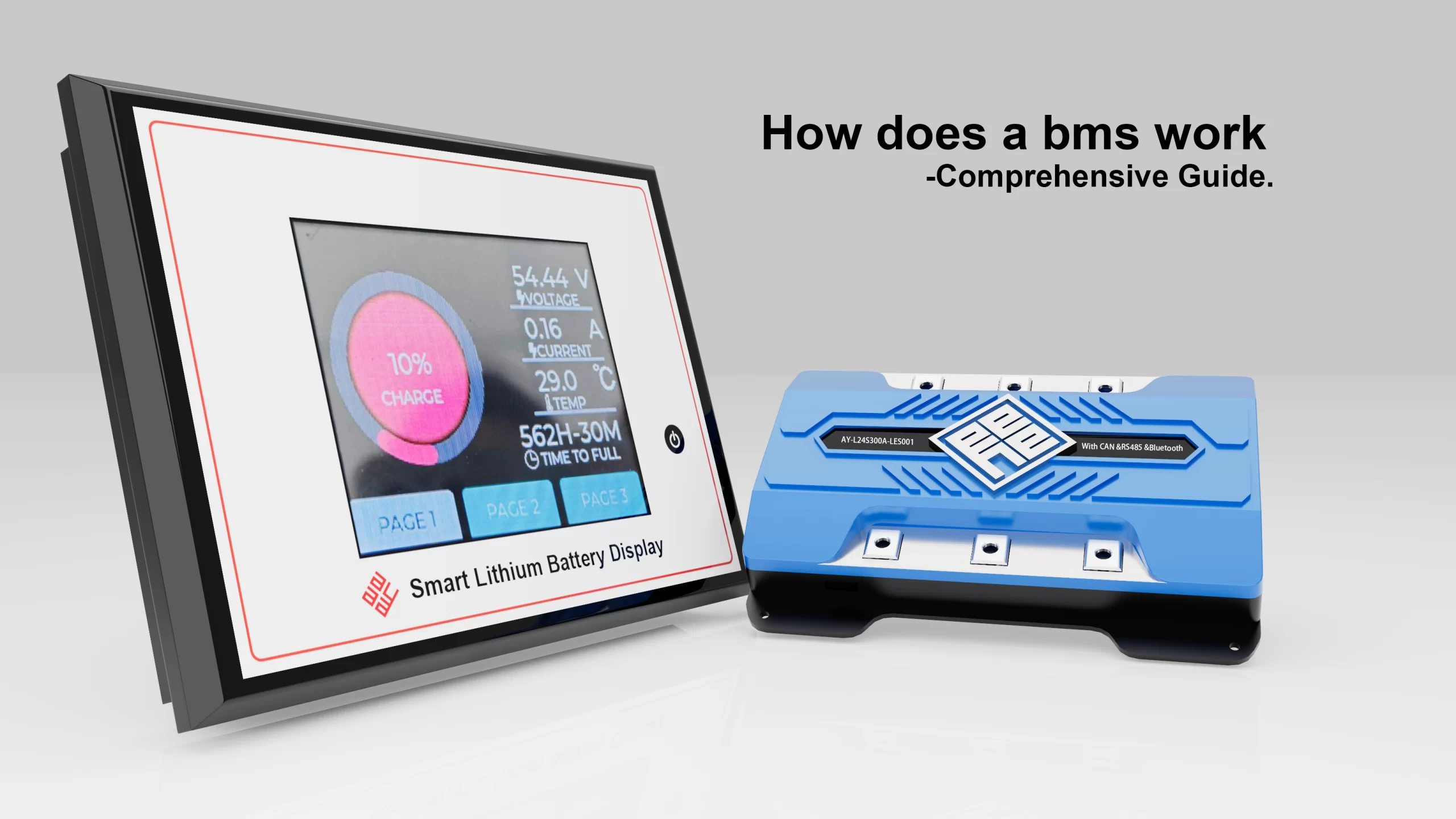
A BMS makes sure that the voltage, temperature, and current of each of the battery pack’s six cells are tracked in real time. Even slight cell imbalances can cause overheating, poor performance, or even failure in the absence of an intelligent BMS.
Important characteristics of a 6S battery with BMS that increase efficiency include:
Équilibrage cellulaire: Active or passive balancing keeps all six cells at similar voltage levels.
Overcharge/Overdischarge Protection: Prevents cell degradation and ensures long-term usability.
Temperature Control: Detects high thermal zones and can trigger cooling mechanisms or flight shutdown for safety.
State of Health (SoH) Monitoring: Estimates battery aging and helps plan maintenance or replacements.
Why a 6S Drone Battery Is the Backbone of a Lithium Battery Pack
For high-performance lithium battery packs intended for aerial aircraft, the 6S arrangement is frequently regarded as the ideal one. Without going into the more complicated 8S or 12S domains, which may require bulkier systems and more costly electronics, it offers sufficient voltage to satisfy the demands of medium and large drones.
Additionally, a clever BMS that is incorporated into a 6S pack increases its significance by providing:
Safety Assurance: Through short-circuit, overcurrent, and temperature protection.
Data Transparency: Communication protocols like I2C, SMBus, or Bluetooth allow real-time reporting of battery status.
Remote Monitoring: Vital for fleet managers or enterprise users, enabling preventive maintenance and data-driven decision-making.
In addition to improving performance, a smart BMS in a 6S battery becomes essential for drones functioning in delicate, dangerous situations like infrastructure inspection, search and rescue, and firefighting.
Value Proposition of a 6S Drone Battery
A drone battery’s value is determined by its longevity, dependability, and total cost of ownership in addition to its initial cost. When paired with a high-quality BMS, a well-designed 6S lithium battery can withstand hundreds of cycles of charging and discharging with little to no degradation.
Its value lies in:
Reduced Maintenance Needs
Extended Mission Capabilities
Consistent Voltage Delivery
Minimal Downtime
Purchasing a 6S battery with sophisticated BMS capabilities may cost a little more up front, but it significantly reduces replacement and repair expenses over time.
Core Advantages of a 6S Drone Battery
Here is a synopsis of the reasons why the 6S arrangement is unique when paired with an intelligent BMS:
Higher Efficiency: Less current means reduced losses and higher overall efficiency.
Better Load Handling: Can power more advanced payloads and sensors.
Enhanced Safety: Smart BMS adds multiple layers of protection.
Improved Lifecycle: Optimal charging/discharging prolongs battery life.
Flight Stability: Voltage consistency reduces motor jitter and control issues.
Environmental and Economic Impact
An important change in UAV battery technology is the push for eco-efficiency. Lithium-based 6S batteries:
Last longer, thus reducing landfill waste.
Are more recyclable than lead-acid alternatives.
Use BMS systems to prevent hazardous incidents like thermal runaway.
Economically speaking, fewer replacements and larger safety margins lower operating expenses and hazards, particularly for government and commercial drone operators.
Latest Trends in 6S Drone Battery Development
The integration of additional intelligent features through software-defined BMS capabilities has been the main focus of recent developments in 6S drone battery technology. Important trends consist of:
AI-Driven Predictive Diagnostics
Wireless BMS Communication
Modular Pack Designs
Integration with Drone Fleet Management Platforms
Firmware-over-the-air (FOTA) updates to BMS logic are now possible in certain systems, which enhances performance after deployment.
Choosing the Right 6S Battery for Your Drone
These are the most crucial factors to take into account when choosing the best 6S battery:
Rated Continuous Current and Peak Current
Communication Interface (e.g., I2C, CAN, SMBus)
Active vs Passive Balancing
BMS Protection Features (Short Circuit, Overheat, etc.)
Plage de températures de fonctionnement
Size and Weight Constraints
The quality of a drone’s BMS or its weakest cell determines how good the battery is. Give preference to packs that can satisfy your power requirements while also offering control and transparency via their BMS.
FAQ
Q:How long does a 6S LiPo battery last?
A:How a 6S LiPo battery is used, charged, and stored affects how long it lasts. Their lifespan can be considerably increased with proper upkeep and care. It usually takes hundreds of charge-discharge cycles before performance starts to noticeably deteriorate.
Q:What is a 6S battery?
A:Six Cells in Series is what “6S” means: It is comparable to placing six smaller batteries (referred to as “cells”) into a single box, end to end. Voltage Boost: The baseline voltage of each LiPo cell is around 3.7 volts (V). Their voltages are added together when they are connected in series (“S”).
Q:What is the difference between 4S and 6S drone batteries?
A:6S may provide a little efficiency boost if you regularly fly at higher speeds. Total electricity consumption: In contrast to a 4S battery that struggles to keep up, the 6S battery’s capacity to transfer power more efficiently may result in somewhat longer flight periods if your drone and flying style require a lot of power.
Q:What is the full charge of a 6s LiPo battery?
A:The maximum charged voltage of a 6s battery would be 25.2 volts.
Q:What does 6S mean in drones?
A:What does a LiPo battery’s 6S mean? In particular, it indicates that there are six cells in the battery pack that are connected in series, producing a higher voltage output than a battery with fewer cells.
Q:What are the best batteries for drones?
A:Batteries made of lithium polymer (LiPo). The most common battery type for FPV drones is LiPo.
Although LiHV batteries may be charged to a greater voltage (up to 4.35V per cell), they are comparable to LiPos batteries.
Li-Ion batteries, or lithium-ion batteries.
Conclusion
An sophisticated BMS-equipped 6S drone battery is essential in the high-performance world of contemporary drones. These batteries are essential to each successful UAV mission since they provide long-term safety, strong, and steady flying. The need for intelligent, dependable, and efficient 6S power systems will increase as drone use spreads throughout industries.
Ayaa Technology provides a variety of adaptable products made to satisfy exacting performance requirements for commercial and industrial-grade drone battery solutions that use state-of-the-art BMS technology.