When Should You Replace Your Boat Battery and How to Find the Best Marine Battery?
461
When Should You Replace Your Boat Battery and How to Find the Best Marine Battery?
The foundation of any dependable boating system is the best marin battery.
Your battery powers essential parts including engine ignition, navigation systems, lighting, and onboard electronics whether you’re operating a fishing boat, yacht, or leisure watercraft.
Smooth engine starts, a steady voltage supply, and continuous operation in challenging marine conditions are all guaranteed by a top-notch batterie marine.
Marine batteries must withstand continuous vibration, humidity, and corrosion exposure, in contrast to car batteries.
Because of this, choosing the best marine battery becomes a matter of safety and dependability as well as performance.
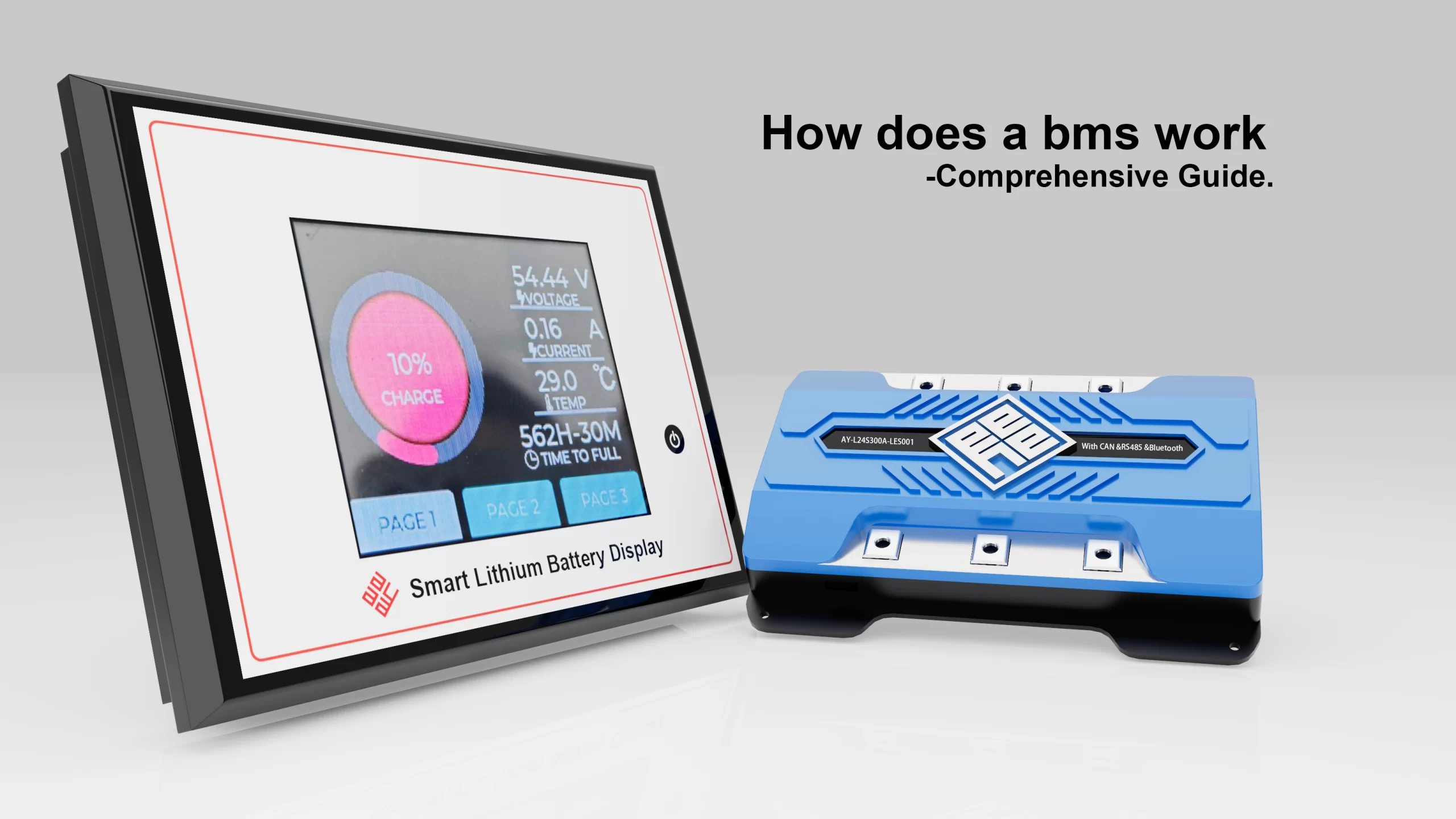
Marine batteries today provide better protection, a longer lifespan, and increased energy efficiency thanks to recent developments, particularly the incorporation of Battery Management Systems (BMS).
When Should You Replace Your Boat Battery?
Knowing when to replace your battery is critical to avoiding unexpected failures on the water.
1.What Are the Warning Signs of Battery Failure?
●Difficulty starting the engine
●Reduced power output for onboard electronics
●Frequent need for recharging
●Visible corrosion or swelling
These symptoms indicate that your current battery may no longer meet performance demands, signaling the need to upgrade to the best marine battery.
2.How Long Does a Marine Battery Typically Last?
Depending on use, upkeep, and environmental factors, most marine batteries have a lifespan of three to five years.
Because of overcharging, deep discharge, and temperature stress, batteries without adequate BMS protection typically deteriorate more quickly.
3.What Happens If You Delay Battery Replacement?
●Unexpected engine failure
●Reduced navigation safety
●Damage to onboard systems due to unstable voltage
Replacing your battery at the right time ensures operational reliability and prevents costly repairs.
Where Can You Find Reliable Information to Choose the Best Marine Battery?
Choosing the best marine battery requires access to accurate and reliable information.
1.What Sources Should You Trust?
●Manufacturer specifications and datasheets
●Marine equipment specialists
●Certified battery distributors
●Technical reviews and performance comparisons
2.Why Is Technical Knowledge Important?
Users are better able to make judgments when they are aware of battery specs, such as voltage, capacity, and discharge rates.
Additionally, understanding BMS functions makes it easier to find batteries that provide superior efficiency and protection.
What Types of the Best Marine Battery Are Available?
Marine batteries are categorized based on their primary function.
Why Is the Best Marine Battery Different from Standard Batteries?
Marine batteries are specifically engineered for harsh environments.
1.How Do Marine Batteries Resist Vibration?
●Reinforced internal structures
●Shock-resistant materials
2.How Do They Handle Moisture and Corrosion?
●Sealed designs
●Corrosion-resistant terminals
3.What Makes Them More Durable?
Marine batteries are built to withstand constant environmental stress while maintaining performance consistency.
What Size of Marine Battery Do You Need?
Choosing the right battery size depends on your boat’s application.
1.How Does Usage Affect Battery Size?
●Small boats: Lower capacity batteries
●Fishing boats: Medium capacity for trolling motors
●Large vessels: High-capacity batteries for extended operations
2.Why Is Proper Sizing Important?
Incorrect sizing can lead to reduced efficiency, shorter lifespan, and potential system failure.
What Are the Advantages of the Best Marine Battery?
Selecting the best marine battery offers multiple benefits.
1.How Does Energy Density Improve Performance?
●Higher energy storage
●Longer operational time
2.Why Is Lightweight Design Important?
●Improves fuel efficiency
●Enhances vessel balance
3.How Does BMS Improve Battery Performance?
●Prevents overcharging
●Avoids deep discharge
●Balances cells for consistent output
4.Does It Save Costs Long-Term?
Yes. A battery with BMS reduces maintenance and replacement frequency, lowering overall ownership cost.
How Does BMS Protect Your Marine Battery?
La Battery Management System (BMS) is essential for modern battery performance.
1.What Functions Does BMS Provide?
●Voltage monitoring
●Temperature control
●Current regulation
2.How Does BMS Prevent Failures?
●Stops overcharging
●Prevents overheating
●Protects against short circuits
3.How Does BMS Extend Battery Life?
By maintaining optimal operating conditions, BMS significantly increases the lifespan of the best marine battery.
What Are the Advantages of LiFePO4 Marine Batteries?
Lithium iron phosphate (LiFePO4) batteries are becoming increasingly popular.
1.What Benefits Do They Offer?
●Long cycle life
●Lightweight design
●High efficiency
2.What Should You Consider?
●Higher initial cost
●Requires compatible charging systems
●BMS integration is critical
How Do You Choose the Right Marine Battery Size and Configuration?
1.What Factors Should You Consider?
●Capacity requirements
●Available space
●Power demand
2.Why Does Configuration Matter?
Proper configuration ensures optimal performance and compatibility with onboard systems.
How Should You Use and Maintain the Best Marine Battery?
Proper usage and maintenance are key to maximizing battery performance.
1.What Are Best Practices for Usage?
●Avoid deep discharge
●Use compatible chargers
●Monitor battery condition
2.How Should You Maintain Your Battery?
●Store in dry, moderate temperatures
●Inspect terminals regularly
●Perform periodic charging cycles
3.How Does BMS Simplify Maintenance?
BMS automates monitoring and protection, reducing manual intervention and ensuring consistent performance.
Choosing the Best Marine Battery at the Right Time Ensures Safety, Performance, and Long-Term Value
The performance, safety, and operational efficiency of your boat are all directly impacted by your choice of the best marine battery.
Users can make well-informed decisions by identifying the warning indications of battery failure, comprehending various battery kinds, and assessing important parameters.
Contemporary marine batteries, particularly those with Système de gestion de bâtiments de pointe technology, provide better protection, a longer lifespan, and increased energy efficiency.
Battery reliability is greatly improved with BMS, which prevents overcharging and maximizes power supply.
Boat owners may guarantee seamless operation and prevent expensive downtime by selecting the appropriate battery type, size, and maintenance plan.
Intelligent energy solutions, spearheaded by firms like Ayaa Technology, are reshaping marine power systems as battery technology advances, providing improved performance and dependability for demanding applications.
FAQ
Q1:Which marine batteries last the longest?
A1:The longest-lasting marine batteries are lithium iron phosphate (LiFePO4) batteries, which usually have a lifespan of more than ten years, 3,000–5,000 charge cycles, and require no maintenance.
They have a substantially longer lifespan than flooded lead-acid batteries (3–5 years) or AGM batteries (4–7 years).
Q2:Which is better AGM or gel marine battery?
A2:Because AGM batteries have a lower internal resistance, they can charge significantly more quickly and operate better under high loads.
In colder operating conditions, AGM batteries will probably outperform GEL batteries as well, and they are frequently less expensive when it comes to obtaining dependable power.
Q3:What is the downside of AGM batteries?
A3:An AGM (Absorbent Glass Mat) battery’s greater initial cost and sensitivity to overcharging are its primary drawbacks.
Although these batteries are dependable and low maintenance, frequent deep cycling is not recommended and cautious charging is necessary.
Q4:Which is better, an AGM or a deep cycle battery?
A4:AGM batteries are far more expensive than ordinary (flooded) deep cycle batteries.
But they are sealed, maintenance-free, faster-charging, and more vibration-resistant, making them perfect for high-performance RV, marine, and solar applications.
Standard batteries are less expensive for basic power demands, but they must stand upright and require frequent watering.
Q5:What kills a deep cycle battery?
A5:Charging—or not charging—is one of the most frequent errors that cause harm to lead-acid batteries.
Some owners permanently change the chemistry and functionality of their batteries by discharging them too deeply.
Some people overcharge or charge their batteries too quickly, which can cause just as much harm.