- Industries

Home Backup & Garden BMS
View More >Electric Forklift BMS
View More >Golf Cart BMS
View More >Electric Two-wheeler BMS
View More >Aviation & UAV BMS
View More >BMS For Power Tools
View More >Medical Equipment BMS
View More >




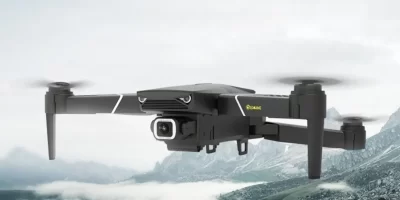


Home About Us EVENTS & NEWS Engineers develop intelligent heavy lifting drone BMS for industrial UAV systems worldwide
heavy lifting drone BMS to improve safety, energy efficiency, and stability for industrial UAV systems worldwide. These advanced systems integrate smart monitoring, precise control, and multi-layer protection to ensure reliable performance in demanding commercial drone operations.
This topic demonstrates how current engineers design next-generation Drone BMS technology specifically for high-capacity UAV systems. In logistics, mapping, agriculture, and defense drone applications, a Heavy-Lifting Drone BMS is designed to handle high voltage, high current loads, and intricate battery arrangements. In contrast to traditional systems, a Industrial drone BMS solution emphasizes intelligent energy optimization, scalability, and real-time diagnostics to allow continuous flight operations across international industrial applications.

A heavy lift drone BMS is designed to handle significantly higher energy demands compared to standard UAV battery systems. It must ensure stable voltage distribution, thermal control, and accurate state-of-charge estimation under heavy payload conditions. Engineers focus on improving reliability for long-duration missions and high-risk industrial environments.
A modern Drone BMS integrates advanced algorithms that continuously monitor battery health and predict potential failures. This ensures that the system can respond quickly to abnormal conditions while maintaining operational safety. The evolution of the Industrial drone BMS solution has made it possible for drones to carry heavier payloads with improved efficiency and reduced risk of system failure.
Engineers enhance the intelligence of a Heavy-Lifting Drone BMS by integrating AI-based monitoring, adaptive balancing, and predictive analytics. These features allow real-time decision-making during flight operations, improving both safety and performance.
The heavy lifting drone BMS architecture includes multiple communication layers that connect sensors, controllers, and battery cells into a unified system. This ensures that energy distribution remains stable even under sudden load changes or environmental stress. As UAV applications expand globally, the need for a more intelligent Drone BMS continues to grow rapidly.
Industrial drone BMS solution, especially in high-capacity UAV systems where failure can result in operational loss or safety risks. Engineers prioritize multi-layer protection strategies to ensure stable operation.
A typical Heavy-Lifting Drone BMS includes advanced safety mechanisms that prevent overcharging, over-discharging, and thermal runaway. These features are essential for maintaining performance in extreme conditions. The continuous development of heavy lift drone BMS technology ensures that industrial drones remain reliable even during long-duration missions.
Key safety mechanisms include:
Real-time voltage and temperature monitoring
Intelligent current regulation under load
Automatic fault detection and shutdown
Adaptive thermal balancing for high-power cells
| Feature | Heavy Lifting Drone BMS | Standard Drone BMS | EV/Storage BMS |
|---|---|---|---|
| Load Capacity | Very High | Medium | High |
| Application | Industrial UAV systems | Consumer drones | Electric vehicles |
| Intelligence Level | AI-based adaptive control | Basic monitoring | Advanced energy control |
| Communication | Multi-channel real-time | Limited protocols | CAN/RS485 systems |
| Safety System | Multi-layer protection | Basic protection | Industrial-grade safety |
This comparison shows that a Drone BMS designed for heavy lifting applications must deliver significantly higher performance and reliability. The Industrial drone BMS solution stands out due to its ability to support extreme energy demands and complex UAV operations.
A scalable Industrial drone BMS solution enables UAV systems to operate efficiently across different environmental and industrial conditions. Engineers design these systems to support logistics delivery, infrastructure inspection, and agricultural monitoring.
The Heavy-Lifting Drone BMS ensures consistent energy output even during high-load missions. Its intelligent control system allows drones to adapt to changing flight conditions while maintaining battery stability. This is especially important for global operations where reliability is critical.
Key functional advantages include:
Optimized energy distribution for long-range flights
Enhanced stability during payload fluctuations
Real-time system diagnostics and reporting
Improved lifecycle management for battery packs
Modern heavy lifting drone BMS technology relies on AI algorithms, cloud connectivity, and high-precision sensors. These innovations allow engineers to design smarter and more efficient systems for industrial UAV applications.
A Drone BMS today is no longer just a protective circuit but a fully integrated energy management platform. The Industrial drone BMS solution uses predictive modeling to anticipate energy demand and optimize performance during flight missions.
Advanced technologies include:
AI-based battery health prediction
Cloud-connected telemetry systems
Adaptive load balancing algorithms
High-frequency real-time monitoring
Energy optimization is essential for any heavy lift drone BMS, as industrial UAVs must maximize flight time while carrying heavy payloads. Engineers focus on minimizing energy loss and improving conversion efficiency.
The Heavy-Lifting Drone BMS ensures that every battery cell contributes equally to performance, reducing degradation and extending operational life. This is particularly important for commercial UAV fleets that require consistent reliability across multiple missions.
Engineers ensure reliability in Drone BMS systems through rigorous testing, redundancy design, and adaptive control systems. Every Heavy-Lifting Drone BMS must pass stress tests simulating real-world industrial conditions.
Reliability improvements include:
Redundant safety circuits for backup protection
Multi-layer fault detection systems
Dynamic load adjustment algorithms
Continuous firmware optimization for performance stability
These improvements make the Industrial drone BMS solution suitable for mission-critical applications.
The future of heavy lifting drone BMS technology is moving toward full automation and AI-driven energy ecosystems. Engineers are developing systems that can self-adjust in real time based on flight conditions and energy consumption patterns.
The next generation of Drone BMS will integrate deeper with cloud platforms, enabling predictive maintenance and fleet-wide optimization. This evolution will significantly improve the efficiency of Industrial drone BMS solution deployments worldwide.
A heavy lift drone BMS improves commercial UAV efficiency by optimizing energy flow, reducing downtime, and extending battery life. Engineers design these systems to support continuous industrial operations with minimal maintenance.
Benefits include:
Longer flight endurance under heavy payload conditions
Reduced battery degradation over time
Improved operational safety and stability
Enhanced performance consistency across fleets
A1: Heavy lifting drone costs vary by payload capacity, battery system, and application requirements. Most industrial models range from $5,000 to over $100,000. Advanced platforms with intelligent flight control, heavy lifting drone BMS integration, and commercial-grade reliability typically command higher prices globally.
A2: A heavy lift drone is an industrial UAV designed to carry large payloads for logistics, agriculture, inspection, and emergency operations. It uses powerful motors, high-capacity batteries, and an advanced heavy lifting drone BMS to ensure safe, efficient, and reliable flight performance.
A3: Abraham Karem is widely known as the father of modern drones. His pioneering work in unmanned aerial vehicle technology led to advanced UAV designs, including military and commercial platforms, significantly influencing the development of today’s intelligent and highly capable drone systems.
A4: UAV in AI refers to unmanned aerial vehicles that utilize artificial intelligence for autonomous navigation, obstacle avoidance, data analysis, and decision-making. AI-enabled UAVs improve efficiency, safety, and performance in commercial, industrial, and research applications worldwide.
Engineers develop intelligent heavy lifting drone BMS systems to meet the growing demands of industrial UAV operations worldwide. Through advanced Drone BMS architecture and innovative Industrial drone BMS solution technologies, modern UAV platforms achieve higher efficiency, safety, and reliability. The evolution of Heavy-Lifting Drone BMS systems continues to redefine how drones operate in commercial, logistics, and industrial environments, ensuring a more intelligent and sustainable future for global UAV applications.
Email [email protected]
High-performance smart BMS solutions for energy storage, EVs, robotics, and drones.
✔ High Efficiency & Active Balancing
✔ Smart Monitoring & Protection
✔ Global Certifications
✔ Customizable for Any Application
⚡ Engineers respond within 12 hours
🔒 Your information is safe and confidential