








How to Select the Right Robot Battery Pack for Industrial and Service Robots
Robots are becoming essential in a variety of businesses in today’s rapidly expanding automation environment. Robots contribute to increased productivity, safety, and cost effectiveness in a variety of industries, including industrial manufacturing, logistics, and cleaning services. Every high-performing robot’s core is a dependable Robot battery pack: the energy source that ensures safe and efficient operations.
We’ll go over what a robot battery pack is, its main characteristics, typical varieties, product design, operation, and the most important things to take into account when choosing the ideal robot battery pack for your particular requirements.

What Is a Robot Battery Pack?
Robot battery packs are rechargeable power sources made especially to satisfy the rigorous energy requirements of robots operating in various settings. To guarantee safe and effective energy supply, a high-quality Robot battery pack differs from conventional batteries in that it has sophisticated battery cells, intelligent battery management systems (BMS), thermal management features, and communication modules.
Robots can work for longer periods of time, carry out high-power jobs, and recharge rapidly with little downtime when they have a well-designed battery pack. The runtime, performance, and overall cost of ownership of your robot are all directly impacted by this unsung hero.
Key Features of a Quality Robot Battery Pack
The construction of Robot battery packs varies. The greatest packs incorporate a number of characteristics that cooperate to ensure longevity, effectiveness, and safety:
-
- High Energy Density: More energy storage in a compact size.
-
- Long Cycle Life: Designed for thousands of charge and discharge cycles.
-
- Advanced BMS: Real-time monitoring of voltage, current, and temperature.
-
- 熱管理: Keeps the battery at an optimal operating temperature.
-
- Robust Housing: Durable casing protects against dust, moisture, and impact.
-
- Custom Communication Protocols: CAN, SMBus, or UART integration for smart robots.
-
- スケーラビリティ: Compatible with different voltage and current requirements.
Types of Robot Battery Packs
There are several varieties of robot battery packs available, depending on the use and power requirements of your robot:
-
- Lithium-ion Packs: High energy density, lightweight, and widely used.
-
- LiFePO4 Packs: Excellent thermal stability, longer life cycles, and safer chemistry.
-
- Nickel-Cadmium or NiMH Packs: Good for specific industrial uses but less common today.
- Custom Modular Packs: Designed for larger robots or autonomous vehicles that need high capacity.
Due to their higher energy density, reduced weight, and improved safety profile, lithium-ion and lithium-FePO4 robot battery packs are currently the most widely used options.
Product Structure and Working Principle
There is more to a good Robot battery pack than just battery cells. It is a comprehensive system composed of:
-
- Battery Cells: The core energy storage unit, arranged in series or parallel.
-
- Battery Management System (BMS): The brain of the pack, it monitors SOC (State of Charge) and SOH (State of Health), balances cells, and protects against overcharge, over-discharge, and short-circuiting.
-
- 熱管理: May include heat sinks, temperature sensors, or liquid cooling for large robots.
-
- Control & Communication Module: Ensures seamless integration with the robot’s control system for real-time monitoring.
The basic yet clever idea is that the robot battery pack continuously transmits status and health information to the main controller to guarantee optimal functioning, stores electrical energy while charging, and delivers it during discharging.
Application Scenarios for Robot Battery Packs
Applications for a dependable robot battery pack are numerous:
-
- Industrial Robots: Welding robots, painting robots, or pick-and-place arms on factory floors.
-
- Logistics Robots: Automated Guided Vehicles (AGVs) or Autonomous Mobile Robots (AMRs) in warehouses.
-
- Service Robots: Floor cleaners, security patrol robots, or delivery bots.
-
- Agricultural Robots: Field monitoring drones and autonomous tractors.
The Robot battery pack is essential in any situation to guarantee continuous operation, optimal uptime, and economical energy use.
How to Choose the Best Robot Battery Pack
Selecting the right Robot battery pack means balancing performance, safety, and cost. Here’s what to look for:
-
- Understand Your Robot’s Energy Demands: Calculate daily runtime, peak loads, and required voltage/current specs.
-
- Check Battery Chemistry: Li-ion or LiFePO4? The choice impacts weight, runtime, and safety.
-
- Inspect the BMS: Look for packs with intelligent BMS — cell balancing, thermal protection, SOC/SOH accuracy.
-
- Verify Certifications: CE, UL, RoHS, and UN38.3 compliance for transport and safety.
-
- Check Supplier Support: Can they customize the pack? Do they offer after-sales support and remote diagnostics?
Your Robot battery pack will satisfy all application requirements and adhere to international standards if you work with an experienced partner like Shenzhen Ayaa Technology Co., Ltd.
Why Partner with Us?
深センアヤテクノロジー株式会社. has more than 20 years of experience in battery R&D and manufacture. They provide custom-built Robot battery packs that mix premium cells, sophisticated BMS, and strong thermal management. To easily integrate with your robots, our solutions support CAN, SMBus, RS485, or bespoke protocols.
We can help you increase productivity, increase runtime, and reduce total cost of ownership, whether you require a basic pack or a completely tailored solution.
To discuss your next Robot battery pack option, get in touch with us right now!
よくある質問
Q: What battery is used in robots?
A: Because of their high energy density, low self-discharge rate, and extended cycle life, lithium-ion batteries are frequently used in warehouse robotics batteries. These batteries also boost overall productivity and efficiency by supplying dependable power to automated storage and retrieval systems.
Q: What is the best battery for robots?
A: Because of their high energy density and extended longevity, lithium ion batteries—including Li ion batteries—are a popular option for robotics. They are frequently found in rechargeable batteries and battery packs.
Q: How long does a robot battery last?
A: The battery in your robot should last two to three years before needing to be changed if it is properly maintained.
お問い合わせ
最新ニュース
- Which Marine RV Energy Storage BMS provides battery protection and real-time monitoring?
- 電動バイクのBMS(バッテリー管理システム)が過充電や過熱のリスクを防ぐ上でなぜ重要なのか?
- ゴルフカート用BMSは、リチウムバッテリーの安全性と信頼性をどのように向上させますか?
- ドローンBMS(バッテリー管理システム)の監視は、リアルタイムのバッテリー監視と診断に不可欠である理由は何ですか?
- エンジニアが産業用UAVシステム weltweit(全地球規模)でインテリジェントなヘビーリフティングドローンBMSを開発
共有
ニュースおすすめ
-

BMS接続図の理解:MOSFET制御からセルバランシングまで
08/19/2025 -
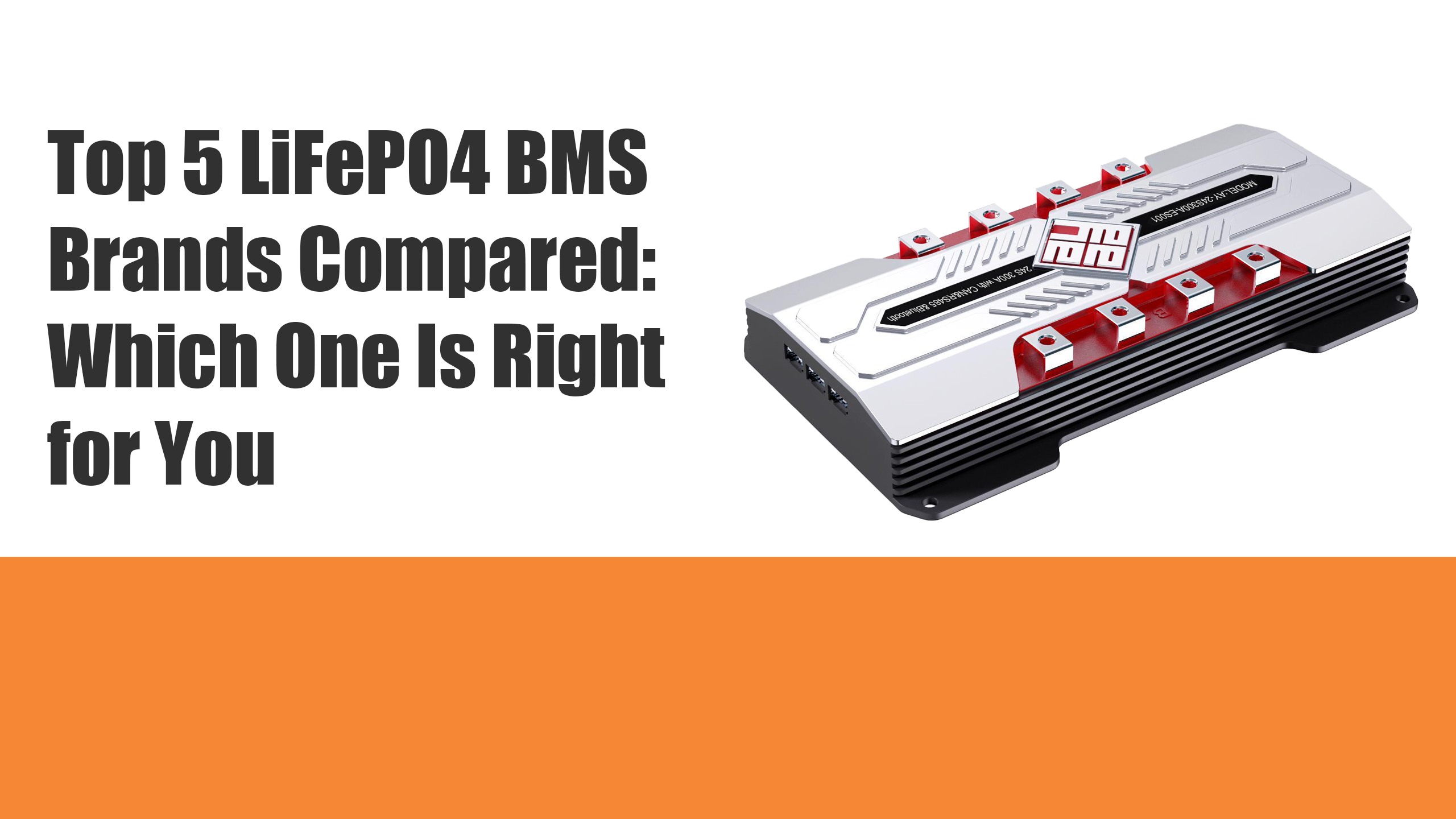
リチウム鉄リン酸 BMS ブランド トップ 5 比較: あなたに最適なのはどれ?
05/16/2025 -
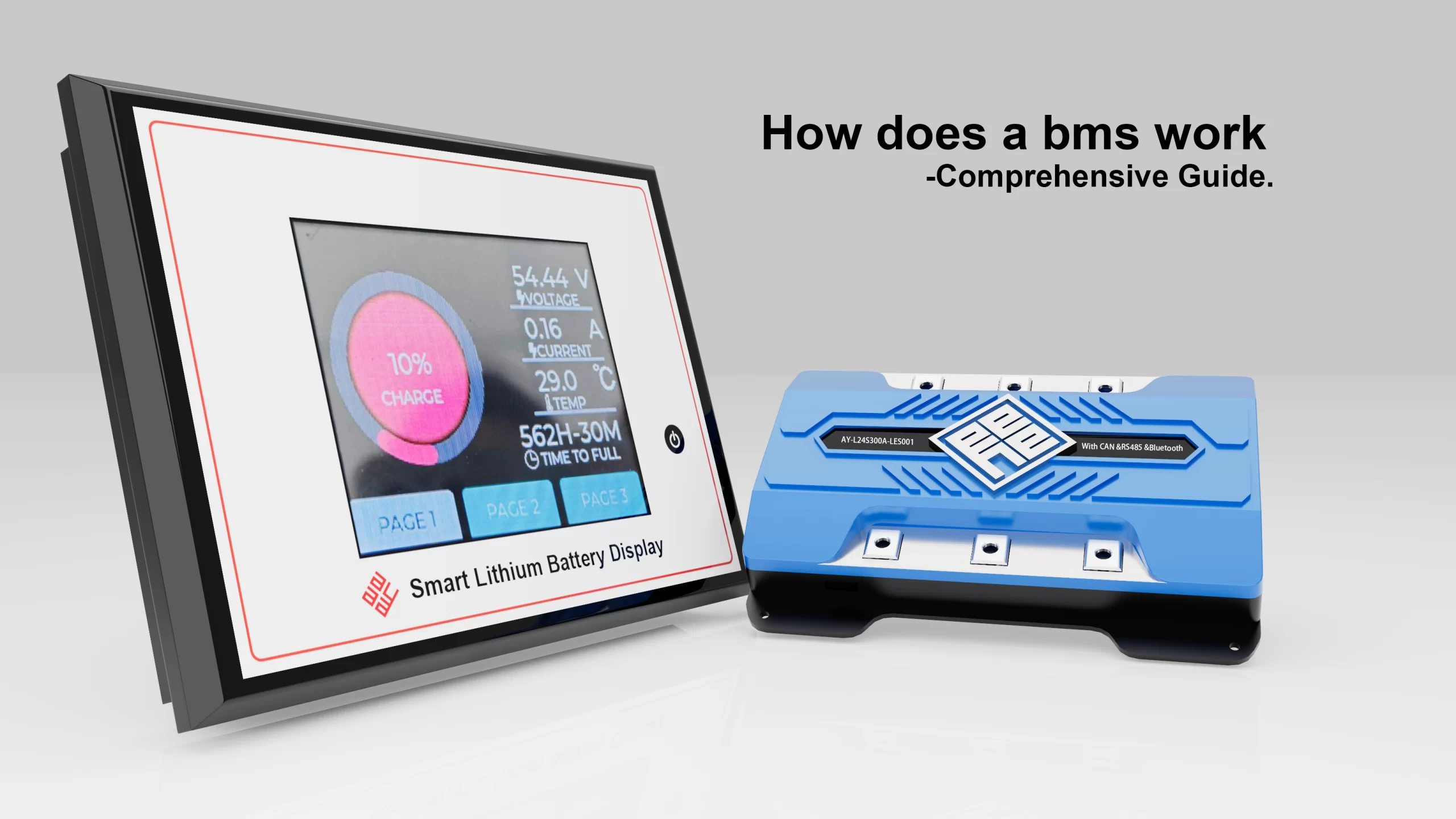
スマートBMSの仕組み-総合ガイド。
03/11/2025 -
なぜ従来の電力源ではなく太陽エネルギー・システムを選ぶのか?
03/31/2025 -
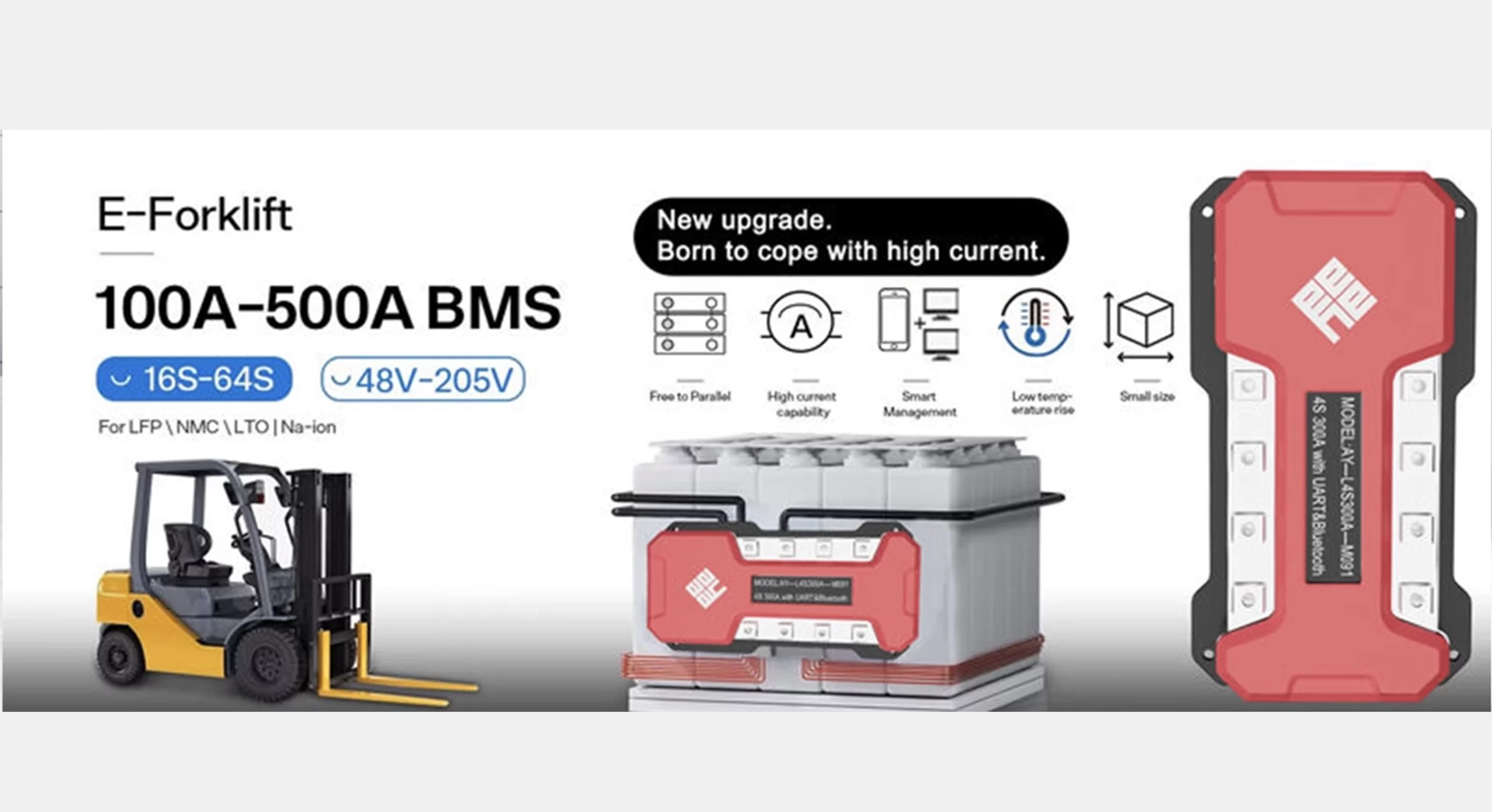
バッテリー管理システムがフォークリフトの性能を向上させる方法
01/16/2025


 日本語
日本語  English
  Deutsch
  한국어
한국어  Français
  Español
  Italiano
  Русский
  Português
  العربية