Lithium battery technology has quickly supplanted conventional lead-acid alternatives as consumers want greater efficiency, longer lifespans, and enhanced safety.
IL Li ion battery 100ah has become one of the most sensible and well-rounded energy storage technologies accessible.
A 100Ah lithium-ion battery is unique not just in its capacity but also in the way it provides steady power over thousands of cycles while upholding dependability and safety.
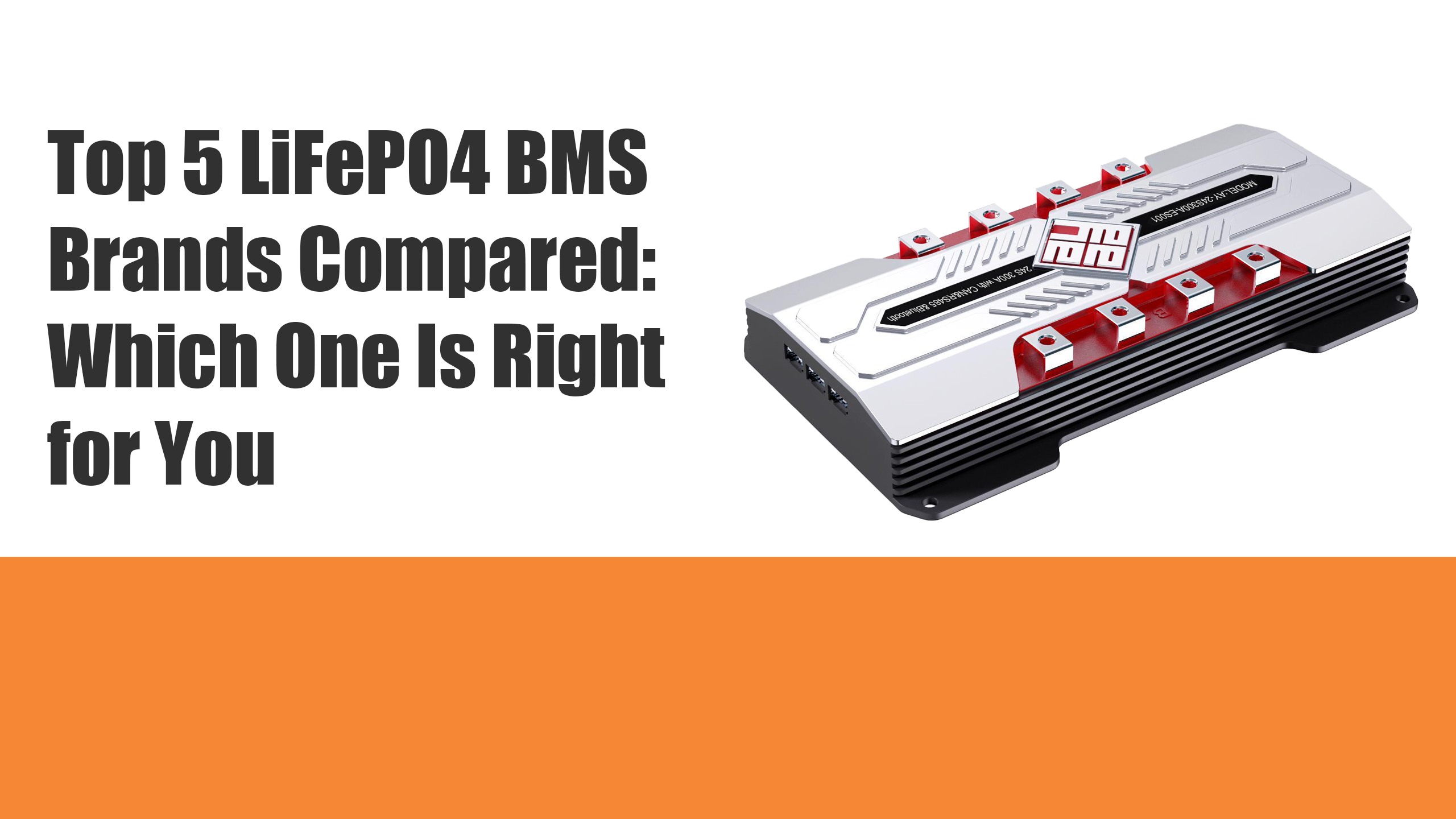
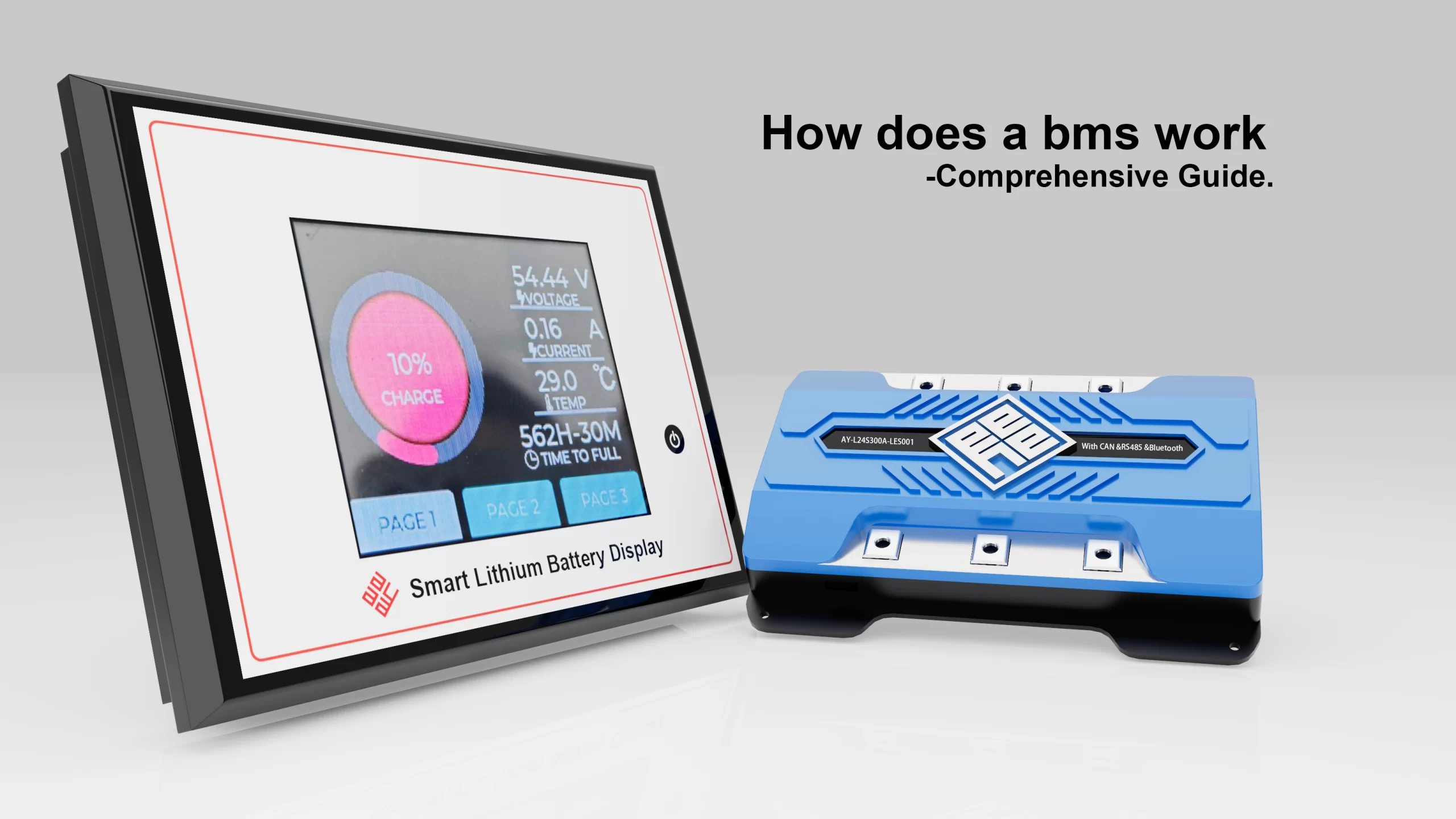
An sophisticated Battery Management System (BMS) is the core of this performance.
A top-notch BMS guarantees that the battery functions within safe bounds, optimizes usable energy, and safeguards the cells in practical situations.
Why Is a 100Ah Deep Cycle Lithium-Ion Battery Considered the Best Value on the Market?
The best possible balance between capacity, size, weight, and cost is provided by a 100Ah deep cycle lithium-ion battery.
Deep cycle lithium batteries are made to provide consistent power for extended periods of time, in contrast to starter batteries that are intended for brief energy spurts.
Compared with traditional batteries, a li ion battery 100ah provides:
Higher usable capacity (often up to 95%)
Stable voltage output throughout discharge
Long cycle life that dramatically lowers cost per cycle
Compact size and lightweight construction
The battery can run at maximum efficiency without frequent user interaction when it is connected to an intelligent BMS.
Because of this combination, it is among the most affordable options for both stationary and mobile energy storage.
What Factors Affect the Lifespan of a 100Ah Lithium-Ion Battery?
Capacity is not the only factor that determines battery lifespan.
How long a Li-ion battery 100ah can operate consistently depends on a number of interrelated elements.
How Does Battery Capacity Influence Longevity?
Longer runtime is possible with increased capacity, but misuse can reduce lifespan.
By preventing deep over-discharge, which is one of the main causes of lithium battery damage, a BMS guarantees that capacity is used effectively.
How Does the Connected Load Impact Battery Life?
Battery cells may be stressed by heavy or irregular loads.
A BMS protects internal components and upholds long-term dependability by monitoring current draw in real time and limiting excessive discharge rates.
Why Does Battery Chemistry Matter?
When compared to lead-acid batteries, lithium-ion chemistry provides better cycle stability.
Lithium cells age more predictably and degrade more slowly when properly maintained by a BMS.
How Do Battery Condition and Usage Patterns Affect Performance?
Battery life can be shortened by frequent overcharging, overheating, or running outside of recommended voltage ranges.
A top-notch BMS actively addresses these issues before irreversible harm is done.
How Does Discharge Rate Influence Durability?
Heat production and internal resistance are increased by high discharge rates.
To maintain the battery within safe operating conditions, the BMS controls discharge currents.
What Role Does Self-Discharge Rate Play?
The self-discharge rate of lithium batteries is inherently low.
By maximizing idle-state behavior and avoiding parasitic drain, a BMS further minimizes energy waste.
Why Is Temperature Control Critical?
One of the main risks to battery health is extremely high or low temperatures.
A BMS keeps an eye on temperature sensors and triggers safety features when it gets too hot or too cold.
Why Are Lithium Batteries Superior to Lead-Acid Batteries?
Lithium technology is replacing lead-acid technology due to its obvious advantages in performance and dependability.
How Does Lighter Weight Improve Usability?
A 100ah Li-ion battery is far lighter than a comparable lead-acid battery, which facilitates installation and lessens system or vehicle load.
Why Does a Longer Lifespan Matter?
Compared to lead-acid batteries, lithium batteries usually last three to five times longer.
By preventing operational situations that hasten aging, a BMS plays a crucial function.
What Does Zero Maintenance Really Mean?
Lithium batteries don’t need equalization charging or water replenishment like lead-acid batteries need.
The BMS automates security and monitoring.
How Does Stable Voltage Improve System Performance?
During discharge, lithium batteries maintain a constant voltage.
By ensuring that voltage stays within safe bounds, a BMS safeguards connected equipment.
Why Is Charging Speed a Major Advantage?
Compared to lead-acid batteries, lithium batteries may charge up to 500% more quickly.
High charge currents are properly managed by the BMS without endangering the cells.
How Does Higher Power Output Improve Performance?
Compared to lead-acid batteries, a 100ah Li-ion battery can provide up to 200% useful power.
The BMS guarantees steady and secure power delivery.
How Do Overload and Over-Discharge Protection Improve Safety?
The BMS continuously checks voltage and current, cutting off the battery if dangerous circumstances arise.
Why Is Low-Temperature Protection Important?
Lithium batteries may sustain harm if they are charged at low temperatures.
When temperatures deviate from safe ranges, a BMS stops charging.
How Does Lithium Chemistry Improve Safety and Sustainability?
Particularly when controlled by cutting-edge BMS technology, lithium-ion batteries are more environmentally friendly and chemically stable.
What Is a Top-Tier BMS Safety Configuration?
Every dependable lithium battery is powered by a Battery Management System.
The BMS is in charge of much more than just basic protection in a li ion battery 100ah.
How Does a BMS Protect Individual Cells?
To avoid uneven charging or discharging, the BMS keeps an eye on each cell’s voltage and balances it.
How Does Temperature Monitoring Prevent Thermal Runaway?
The BMS can identify heat buildup early and shut down the system if needed thanks to integrated sensors.
How Does Current Control Improve Reliability?
The BMS lessens internal component stress by restricting excessive charge and discharge currents.
Why Is Communication Capability Important?
Real-time data monitoring is made possible by sophisticated BMS designs, allowing users to monitor battery performance and status.
How Does a Li Ion Battery 100Ah Deliver Long-Lasting and Reliable Power?
A li ion battery 100ah is made to function reliably in challenging circumstances.
Why Does High Cycle Life Matter?
Lithium batteries perform far better than lead-acid batteries, with an average cycle life of 3000–5000 cycles.
Cycles are kept within safe operating limits by the BMS.
How Does Higher Usable Capacity Improve Runtime?
Because of BMS-controlled discharge safety, lithium batteries, in contrast to lead-acid batteries, enable practically full capacity usage without damage.
How Can Lithium Batteries Handle Extreme Temperatures?
Lithium batteries can function dependably in both hot and cold conditions with appropriate BMS temperature control.
Where Are Li Ion Battery 100Ah Commonly Used?
Why Are RVs Ideal Applications?
High-capacity, lightweight power sources are necessary for RVs.
A 100ah Li-ion battery offers dependable power for gadgets, appliances, and illumination, and its BMS protection guarantees travel safety.
How Do Solar Energy Storage Systems Benefit?
Effective cycles of charging and discharging are essential to solar systems.
A BMS maximizes energy storage and stops solar panels from overcharging.
Why Are Off-Grid Systems Increasingly Using Lithium Batteries?
Off-grid solutions require minimum maintenance and dependability.
Intelligent BMS solutions for lithium batteries provide long-term performance without requiring regular user involvement.
Li Ion Battery 100Ah: The Foundation of Reliable, Intelligent Energy Storage
Through sophisticated lithium chemistry, effective deep-cycle design, and—above all—an intelligent Battery Management System, a li ion battery 100ah provides long-lasting power and dependability.
Lithium batteries can outperform conventional lead-acid solutions in RV, solar, and off-grid applications thanks to the BMS, which also guarantees safety, maximizes performance, and prolongs lifespan.
Modern power systems continue to rely on sophisticated BMS-equipped lithium batteries as the need for reliable and efficient energy storage grows.
Ayaa Technology is still at the forefront of the market in terms of dependable lithium battery technology and creative battery management solutions.
Domande frequenti
D1: Quanto dura una batteria al litio da 100 Ah?
A1:Depending on the load, a 100Ah lithium battery can last anywhere from a few hours to several days or longer on a single charge.
But its calendar life is usually 5 to 15 years, frequently with 3,000 to 7,000+ charge/discharge cycles (LiFePO4 batteries excel here), much longer than lead-acid batteries.
Longevity is determined by usage (depth of discharge), temperature, and quality, whereas runtime is determined by power consumption (e.g., 100W load for ~10–12 hours).
Q2:What is the 80 20 rule for lithium batteries?
A2:Similar to not overstretching a rubber band, the 80/20 rule for lithium batteries suggests maintaining the charge level between 20% and 80% for daily use to greatly increase battery life by lowering stress on the cells and avoiding the strain from deep discharges (below 20%) and high voltage (above 80%) that accelerate degradation.
Q3:What size inverter can I run off a 100Ah lithium battery?
A3:With this knowledge in hand, a typical 100Ah–150Ah lithium battery of this kind may provide enough power to run an inverter up to 1000w.
When determining an inverter’s amp usage, divide its output wattage by the battery voltage. For example, 1000W ÷ 12V = 83.33 Amps
Q4:How long will a 12V fridge run on a 100Ah lithium battery?
A4:A 12V refrigerator can run on a 100Ah lithium battery for around 1.5 to 3.5 days, while the precise duration is largely dependent on the fridge’s power consumption, the outside temperature (which affects how frequently the compressor runs), and how frequently the door is opened.
By dividing the typical daily amp-hour (Ah) consumption of the refrigerator by the battery’s usable capacity (about 80Ah for a 100Ah lithium), you may get your precise run time.
D5: Di quanti pannelli solari ho bisogno per caricare una batteria da 100 Ah in 5 ore?
A5: Per caricare correttamente una batteria da 100 Ah, avrai bisogno di tre pannelli solari da 100 watt o di un pannello da 300 watt, a seconda della velocità di ricarica desiderata e della quantità di luce solare.