Deep Cycle Lithium RV Batteries vs. Traditional RV Battery Types: A Complete Comparison
1273
Deep Cycle Lithium RV Batteries vs. Traditional RV Battery Types: A Complete Comparison
Recreational vehicle (camping-car) need for dependable, long-lasting power has changed the energy storage market.
Your RV battery system dictates your comfort and independence when traveling, whether you’re using it to power lights, air conditioning, or an entire off-grid setup.
Deep cycle lithium RV batteries are rapidly becoming the best option for contemporary travelers out of all the technologies accessible, surpassing conventional battery types in almost every important category, including smart functionality, durability, and efficiency.
This guide explains why lithium RV batteries, particularly those with sophisticated Battery Management Systems (BMS), are the future of mobile energy solutions.
It also examines the various types of RV battery systems and compares their performance metrics.
1. The Purpose of an RV Battery
Your entire mobile lifestyle is powered by an RV battery, which does more than just start the engine.
Unlike starter batteries, which produce brief spikes in current, deep cycle batteries are made to offer steady, continuous energy over extended periods of time.
These batteries provide energy for:
Appliances and lighting: powering refrigerators, fans, TVs, and LED lighting.
Solar energy storage: storing power from solar panels for off-grid living.
Backup energy: maintaining critical systems during generator downtime.
Leveling and slide-out systems: supporting the physical operations of the RV.
Even the best-equipped RV would suffer from inconsistent power, a shorter battery life, and more maintenance requirements without a well-designed deep cycle RV battery system.
Cons: Heavier than lithium, lower energy density, still prone to sulfation.
2.4 Lithium RV Batteries (LiFePO₄)
RV power systems have been transformed by deep cycle lithium RV batteries, especially those constructed using lithium iron phosphate (LiFePO₄) chemistry.
These batteries provide stable voltage during discharge, 3000–5000+ charge cycles, 95–98% efficiency, and no maintenance.
They can function safely in extremely hot or cold settings and are small and light.
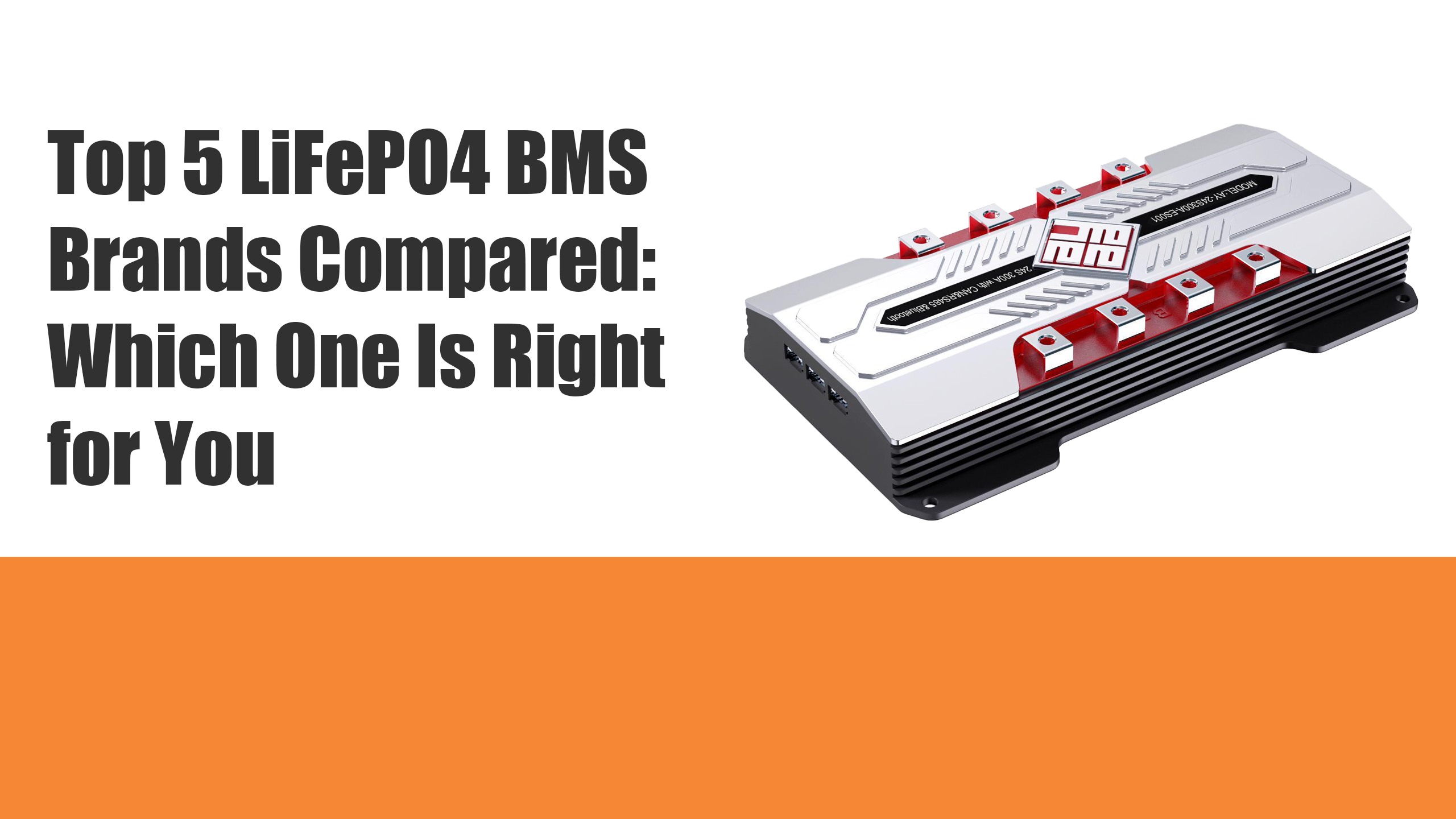
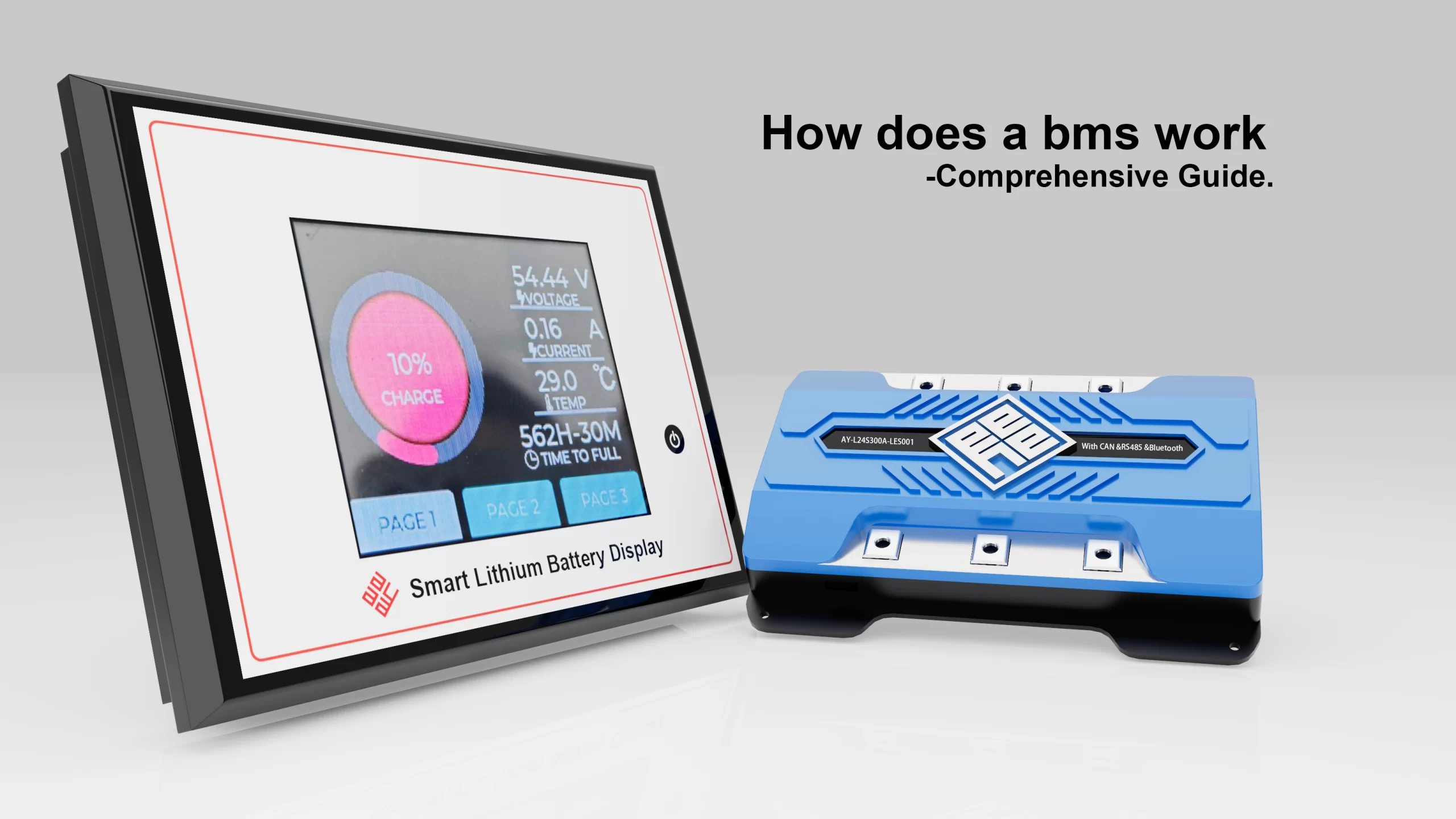
The Battery Management System (BMS), an integrated circuit that keeps track of cell voltage, temperature, and charge/discharge conditions, is their most significant feature.
This prolongs battery life, balances cells, avoids overcharging, and assures safety.
Pros: Exceptional lifespan, high efficiency, lightweight, built-in BMS, fast charging.
Cons: Higher initial cost (offset by long-term savings).
3. AGM vs. Lithium RV Batteries – Detailed Comparison
Let’s directly compare deep cycle lithium RV batteries with AGM and other conventional types using a variety of performance criteria to see why they are so popular.
Paramètre
Flooded Lead-Acid
Gel Battery
AGM Battery
LiFePO₄ (Lithium RV Batteries)
Cycle de vie
300–500 cycles
500–1000 cycles
500–1000 cycles
3000–5000+ cycles
Entretien
Haut
Faible
Faible
Aucun
Efficacité
75–80%
80–85%
85–90%
95–98%
Depth of Discharge (DoD)
50%
60%
70%
90–100%
Poids
Lourd
Modéré
Modéré
Lightweight (up to 60% lighter)
Temps de charge
8–12 hrs
10 hrs
6–8 hrs
2–4 hrs (fast charging)
Safety Level
Modéré
Haut
Haut
Very High (BMS protected)
Bluetooth Connectivity
Non
Non
Optional
Yes (smart monitoring)
Environmental Impact
Haut
Moyen
Moyen
Low (eco-friendly chemistry)
Upfront Cost
Faible
Modéré
Modéré
Higher, but cost-effective long term
It is evident from the comparison that deep cycle lithium RV batteries offer unparalleled performance and security.
Because of its extended lifespan and minimal maintenance, the total cost of ownership is reduced even though the initial cost is higher.
4. Factors to Consider When Choosing an RV Battery
Aligning your energy needs with performance expectations is more important when choosing an RV battery than simply considering voltage or capacity.
Lifespan: Choose a battery with high cycle life to minimize replacements. Lithium offers 4–5 times more cycles than lead-acid.
Power Output: Ensure the battery supports your maximum load and inverter size.
Rechargeability: Fast charging improves flexibility for solar and generator systems.
Cost and Warranty: While lithium costs more initially, its 10-year lifespan and minimal maintenance make it a smarter investment.
In order to provide real-time data on voltage, temperature, and charge cycles—an essential tool for guaranteeing optimal system performance—modern deep cycle lithium RV batteries also have smart BMS features and Bluetooth monitoring.
5. The Role of BMS in Deep Cycle Lithium RV Batteries
The foundation of all cutting-edge lithium RV power solutions is the Battery Management System (BMS).
It improves efficiency and protects the cells in a number of important ways:
Équilibrage cellulaire : Ensures even charge and discharge across all cells, preventing premature degradation.
Contrôle de la température : Automatically limits charging or discharging during extreme conditions.
Short Circuit & Overcurrent Protection: Enhances safety and system reliability.
Interface de communication : CANBUS or Bluetooth modules allow users to monitor parameters directly via smartphones.
Deep cycle lithium RV batteries become more intelligent and safer by including these smart controls, which enable self-diagnosis and adaptive performance optimization.
Choosing the Future of RV Energy: Why Deep Cycle Lithium RV Batteries Lead the Way
Deep cycle lithium RV batteries are the most cutting-edge energy storage solution on the market as RV consumers seek more power, a longer range, and increased dependability.
They are without a doubt the market leader in RV power because to their exceptional cycle life, fast charging, safety, and BMS intelligence.
The transition to lithium technology is both unavoidable and beneficial, even though more conventional choices like AGM or gel have had their use.
Ayaa Technology provides cutting-edge solutions designed for performance, safety, and durability in off-grid, industrial, and recreational applications for customers looking for premium, BMS-equipped lithium RV batteries.
These solutions give consumers better, longer-lasting energy systems for the future.
FAQ
Q:Are lithium batteries worth it for an RV?
A:Lithium is superior to traditional lead-acid designs in practically every way, and we think it’s the most practical, economical, and effective way to power RV electrical systems.
Q:What is the holy grail of lithium batteries?
A:Because they have 10 times the capacity of commercial graphite anodes and have the potential to significantly extend the driving range of electric vehicles, lithium metal anode batteries are regarded as the holy grail of batteries.
Q:Do I need a special charger for lithium batteries in my RV?
A:Since most original equipment (OEM) chargers are made for lead-acid batteries and won’t give lithium batteries the proper voltage or charging profile, it’s possible that you’ll need a customized lithium battery charger for your RV.
Q:Is lithium-ion or LiFePO4 better for RV?
A:LiFePO4 is a preferable option if you require a battery with a long lifespan and exceptional safety.
Q:What happens if you charge a lithium battery with a regular charger?
A:Because the charger’s voltage, current, and charging profile are not tailored for lithium-specific chemistry, using a standard, non-lithium charger to charge a lithium battery is dangerous and can result in damage, overheating, shortened lifespan, or fire dangers.