Why Choose a 48V BMS? Key Factors to Consider for Your Lithium Battery Pack
2378
Why Choose a 48V BMS? Key Factors to Consider for Your Lithium Battery Pack
48V BMS (Battery Management System) technology has emerged as a key component of dependable and effective lithium battery operation in the quickly developing fields of energy storage and electric mobility.
The 48V BMS guarantees maximum performance, longevity, and—above all—safety when powering solar storage devices, electric scooters, bicicletas eléctricas, and industrial backup systems.
Integrating a 48V BMS is now required due to the increasing need for lithium battery packs that are more intelligent and have larger capacities.
It is the “brain” of the entire energy system since it is necessary for keeping an eye on, balancing, and safeguarding every cell in the pack.
This article describes how 48V battery management systems improve lithium battery performance across industries and examines their function, benefits, features, and future trends.
What Is a 48V Battery Management System (BMS)?
A control unit called a 48V BMS is made to keep an eye on and manage a 48-volt batería de litio embalar.
It controls the charging and discharging procedures, preserves cell equilibrium, and offers safety precautions against overvoltage, overcurrent, short circuit, and overheating.
To put it simply, it serves as your energy system’s protector and optimizer, making sure each cell functions within safe bounds.
Lithium batteries would have a shorter lifespan and lower efficiency without a 48V BMS due to deterioration, inconsistent charge levels, and possible safety risks.
Why Is the 48V BMS So Important for Lithium Batteries?
Because it achieves the perfect balance between voltage, efficiency, and safety, the 48V design has gained popularity as a standard for mid-to-high-power energy systems.
However, careful coordination is needed to manage a multi-cell pack at this voltage.
A 48V BMS provides:
Voltage regulation: Ensures that each cell operates within its safe voltage range.
Temperature control: Prevents overheating by monitoring and responding to thermal variations.
Charge balancing: Equalizes cell voltages to prevent overcharging or undercharging.
Protection protocols: Shuts down unsafe circuits automatically to avoid damage.
A 48V BMS guarantees consistent output, operational safety, and compliance with international energy standards in industries including electric vehicles, solar energy, and maritime applications where battery reliability directly influences performance.
Key Advantages of Using a 48V BMS
A. Enhanced Efficiency
The 48V BMS minimizes energy loss by optimizing charging and discharging.
This leads to improved power delivery and increased round-trip efficiency.
B. Longer Battery Lifespan
A 48V BMS greatly increases the lifespan of lithium cells by minimizing deep discharge and overcharging, which lowers replacement costs.
C. Safety and Reliability
Every cell’s health is continuously monitored by a reliable 48V BMS, which may identify problems like temperature spikes or changes in internal resistance before they become more serious.
D. Smart Communication
Real-time monitoring via digital interfaces or mobile apps is made possible by the majority of contemporary systems’ CANBUS, RS485, SMBUS, or Bluetooth connectivity.
E. Versatility
The 48V BMS is compatible with a variety of configurations and applications, including solar energy storage and EV conversion kits.
Critical Factors When Choosing a 48V BMS
A number of crucial operational and technological considerations influence the choice of 48V BMS:
Factor
Descripción
Battery Chemistry
Ensure the BMS supports your lithium type (LiFePO4, NMC, Li-ion).
Calificación actual
Match the BMS current limit to your load and charging current.
Balancing Method
Choose between passive or active balancing based on pack size.
Communication Interface
Opt for CANBUS or RS485 for advanced monitoring.
Sensores de temperatura
Look for NTC thermistors or digital sensors for accuracy.
Protection Features
Verify protections for over/under voltage, current, and temperature.
Size and Mounting
Ensure the BMS fits within your pack’s physical constraints.
In addition to protecting your battery, a well-matched BMS improves performance in a variety of scenarios, particularly in systems where stability and longevity are crucial.
What Are the Key Features of a Modern BMS?
Intelligent hardware and sophisticated software algorithms are combined in contemporary 48V BMS systems.
Among the most noteworthy characteristics are:
Monitorización en tiempo real de voltaje, corriente y temperatura.
Automatic cell balancing (active or passive)
Short-circuit and over-current protection
Over-voltage and under-voltage detection
Pre-charge circuits to reduce inrush current
Data logging and system diagnostics
Smart communication protocols
These characteristics guarantee that lithium battery packs function effectively and safely even in situations with high demand or erratic environmental conditions.
What Are the Latest Innovations in BMS Technology?
IoT connectivity, real-time diagnostics, and increased energy efficiency are the main goals of the upcoming generation of 48V BMS technology.
Among the significant developments are:
AI-based fault prediction to detect degradation before failure occurs.
Cloud integration for remote monitoring and maintenance.
Active balancing circuits capable of transferring energy between cells for maximum efficiency.
Enhanced cybersecurity features that protect BMS data from unauthorized access.
The BMS is changing from a basic protection device to an intelligent control center for battery-powered ecosystems as energy systems grow more intelligent and networked.
In Which Industries Is the 48V BMS Most Commonly Used?
In many different sectors and applications, the 48V BMS is essential:
Electric Vehicles (EVs): Used in electric scooters, motorcycles, and light-duty vehicles.
Renewable Energy Storage: Integral to solar, wind, and hybrid off-grid systems.
Marine Power Systems: Ensures reliability in electric boats and yachts.
Telecom Backup Power: Maintains consistent voltage in 48V telecom systems.
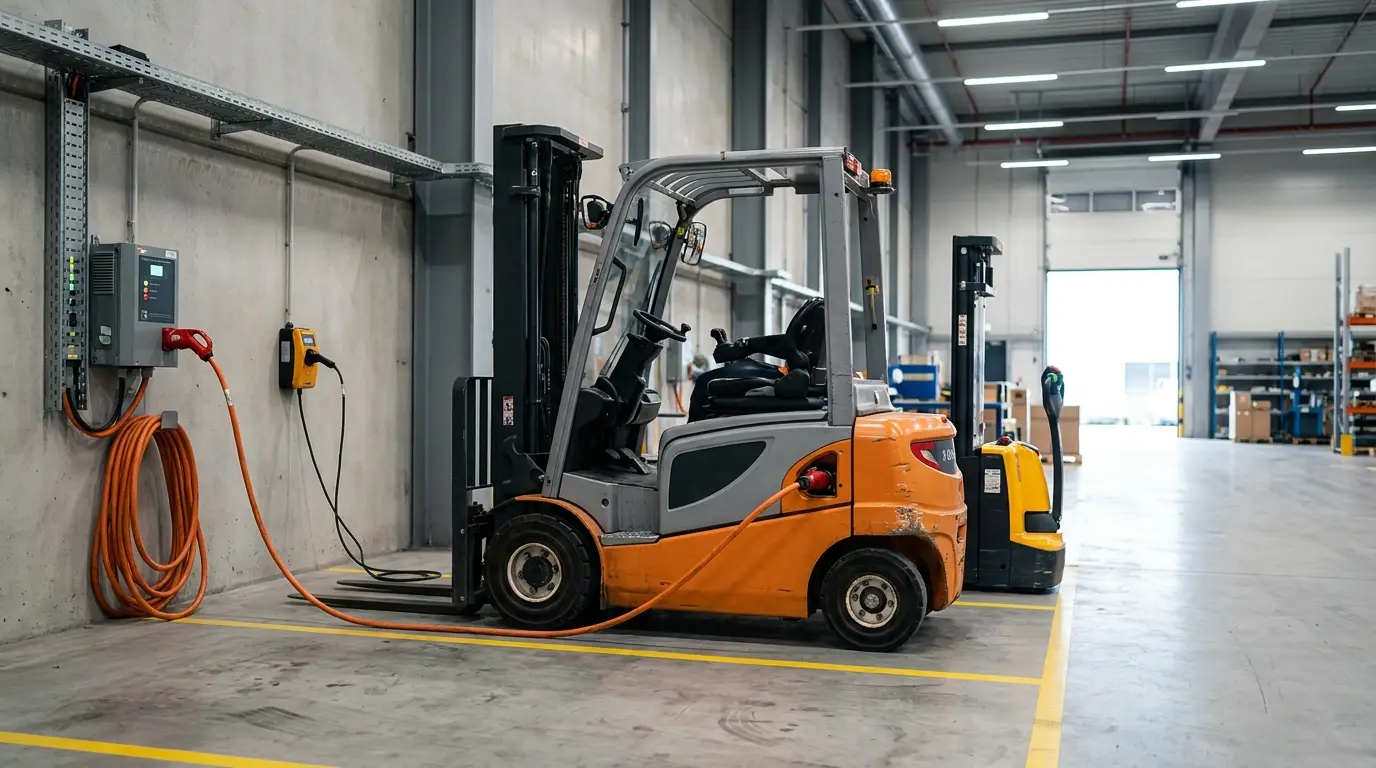
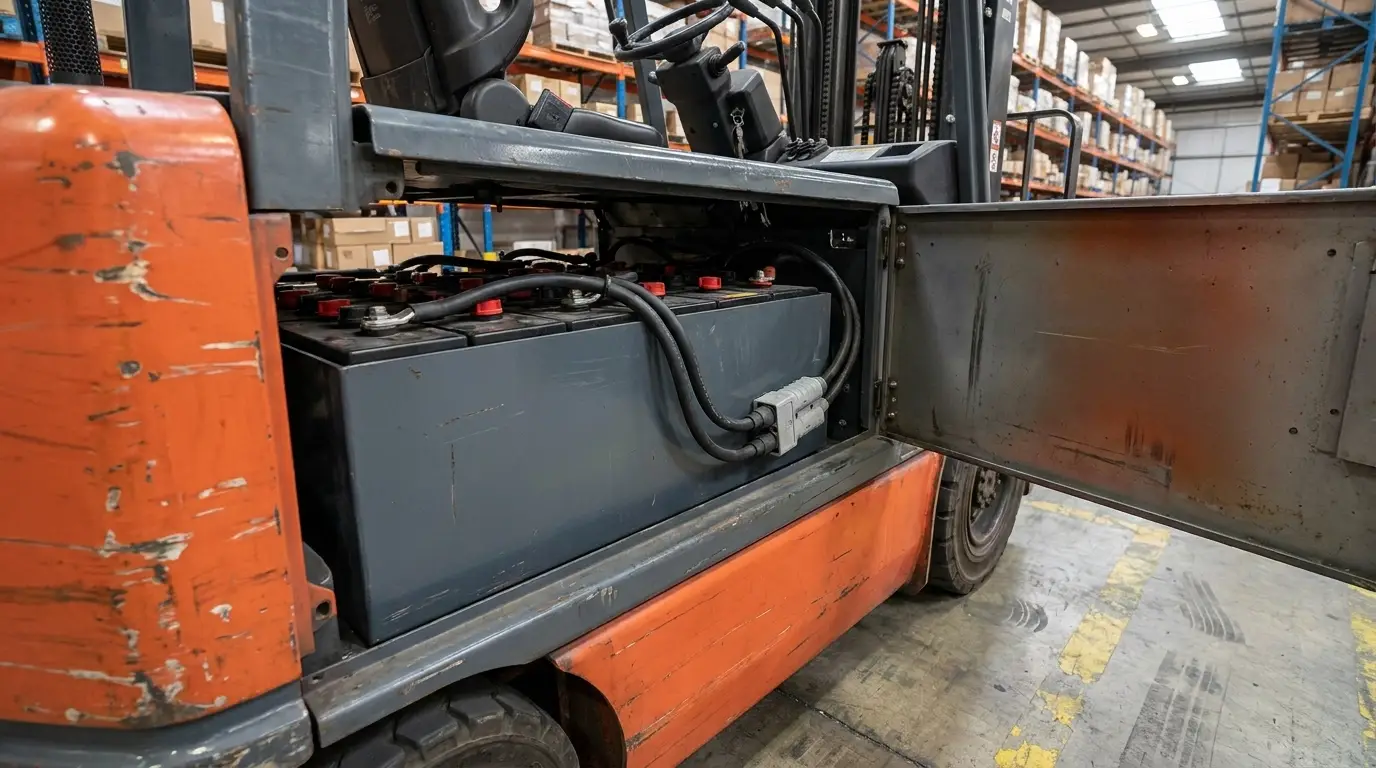
Industrial Equipment: Powers forklifts, automated guided vehicles (AGVs), and tools.
Recreational Vehicles (vehículos recreativos): Manages energy for on-board appliances and auxiliary systems.
These industries all require longevity, stability, and safety, all of which are dependent on a dependable BMS.
How to Select the Best BMS for Your Needs
Determine the needs of your application before selecting the best 48V BMS. Think about these doable actions:
Define the voltage and current limits based on your pack configuration.
Verify compatibility with your cell chemistry (LiFePO4, NMC, or NCA).
Evaluate communication features if remote monitoring is required.
Assess thermal management—ensure the BMS can handle your environment’s temperature range.
Compare quality certifications such as ISO9001, CE, UL, or RoHS compliance.
Recall that a top-notch BMS can significantly improve the dependability and effectiveness of your system, particularly in demanding situations where downtime is expensive.
The Core Benefits of a 48V BMS System
Advantage
Descripción
Efficiency Optimization
Reduces energy waste and improves power delivery.
Performance Enhancement
Maintains consistent output and stability.
Lifecycle Extension
Protects cells, extending usable battery life.
Safety Monitoring
Detects faults early and prevents system failure.
Sustainability
Supports eco-friendly energy storage solutions.
A dependable 48V BMS is an essential component of contemporary power systems since it not only guarantees operational safety but also reduces maintenance expenses and downtime.
How the BMS Shapes the Future of Energy Systems
An important step toward smarter, cleaner, and more effective energy systems is the use of 48V BMS technology into renewable energy, transportation, and industrial applications.
These technologies will act as the intellectual foundation for both stationary and portable power solutions as industries move toward electrification.
The BMS is setting the standard for high-performance, sustainable battery management in the upcoming ten years with improved monitoring, predictive analytics, and real-time communication.
Ayaa Technology — Your Reliable BMS Partner
Ayaa Technology is a reputable worldwide supplier when it comes to creating and producing cutting-edge 48V BMS systems.
Ayaa offers specially developed BMS systems that offer outstanding safety, performance, and adaptability for every application, from solar energy storage to electric vehicles, thanks to its more than 20 years of combined engineering and production experience.
To explore Ayaa’s range of BMS products and innovative power management solutions, visit www.ayaatech.com.
Maximizing Energy Efficiency and Safety with the Right BMS
For modern lithium battery systems to operate at peak efficiency, safety, and longevity, a well-designed BMS is essential.
You can achieve more efficiency, reduced expenses, and a more sustainable energy future by carefully choosing the best management system for your application.
Preguntas frecuentes
Q1:What are the three types of BMS?
A1:There are three main categories of BMS architectures:
little BMS with only one board.
BMS that is distributed.
large BMS that is centralized.
Q2:Do you really need a BMS?
A2:Yes,One of the numerous ways a battery management system (BMS) safeguards your battery is by keeping it from overcharging.
Q3:What happens when a BMS fails?
A3:A battery may become less effective, sustain damage, or encounter a hazardous thermal runaway that could result in an explosion or fire.
Q4:Can I charge LiFePO4 without BMS?
A4:LiFePO4 batteries could overheat or overcharge without warning without a BMS, potentially causing damage or unanticipated failures.
Q5:How to wake up BMS on a lithium battery?
A5:You can jump-start it with a “donor” battery, use a compatible lithium charger to supply a low voltage pulse, or, if one is available, push a reset button.