Why a Li Polymer Battery Is Ideal for Drones and High-Performance Devices
1090
Why a Li Polymer Battery Is Ideal for Drones and High-Performance Devices
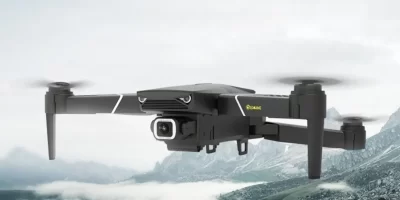
Li polymer battery is now the go-to option for high-performance gadgets like дроны and remote-controlled cars.
They are essential in applications where efficiency, dependability, and safety are crucial due to their distinct chemical composition, lightweight construction, and high energy density.
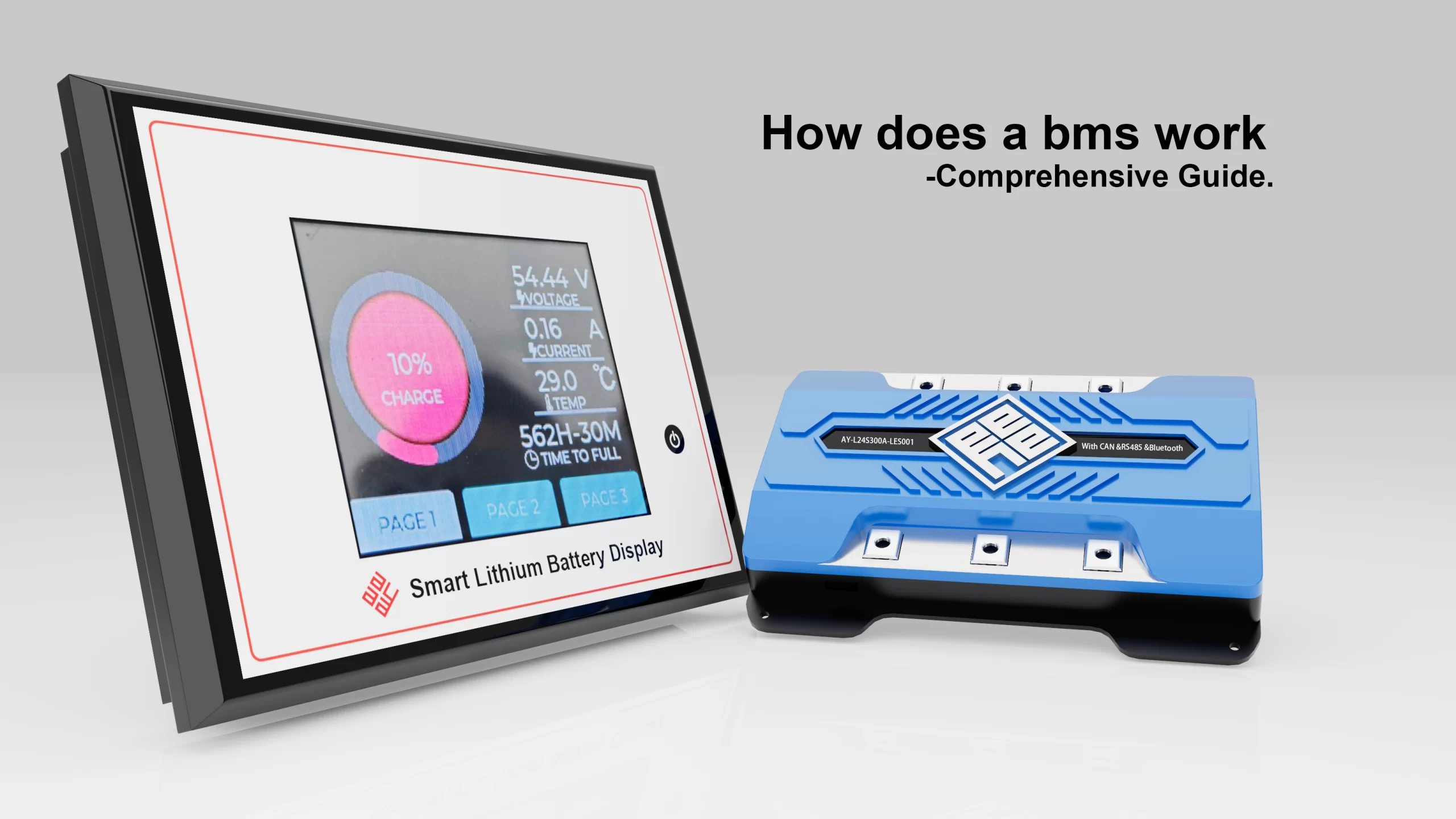
Beyond just performance, the incorporation of an intelligent Battery Management System (BMS) guarantees LiPo batteries’ safe operation, extended lifespan, and steady power output.
What Does a Li Polymer Battery Mean?
A Li polymer battery is a kind of rechargeable lithium battery that substitutes a polymer electrolyte for a liquid electrolyte.
The material retains a high energy density while enabling a flexible, lightweight, and compact form factor.
Key characteristics include:
Chemical composition: Lithium-ion chemistry with a polymer electrolyte.
Discharge principle: Electrons flow from the anode to the cathode through an external circuit during discharge.
Voltage range: Nominal voltage is typically 3.7V per cell; fully charged voltage reaches 4.2V; storage voltage is recommended at 3.8–3.85V per cell.
These characteristics make LiPo batteries perfect for gadgets like drones and high-performance robotics that need small power sources.
What Is the C-Rating of a Li Polymer Battery?
The maximum safe continuous discharge rate of a LiPo battery in relation to its capacity is indicated by the C-rating.
A 2000 mAh LiPo battery with a 20C rating, for instance, may safely supply 40A continuously (2000 mAh × 20 / 1000 = 40A).
Purpose: Ensures devices receive enough current without overloading the battery.
Impact on performance: Drones, racing drones, and other high-drain devices require high C-rated LiPo batteries.
During peak load, a battery with an inadequate C-rating may overheat, deteriorate more quickly, or even fail.
Current consumption: High-performance motors and devices draw more current.
Device type: Drones and heavy payload devices will drain batteries faster.
Choosing a LiPo battery with the right capacity and C-rating guarantees excellent runtime without running the risk of damaging the battery or device.
How Many Cycles Can a Li Polymer Battery Last?
A Li polymer battery lifespan is expressed in cycles, or one complete charge and discharge.
Lifespan depends on:
Depth of discharge (DoD): Using 80% of battery capacity instead of 100% extends longevity.
Charging practices: Charging at recommended current levels preserves battery health.
Storage conditions: Batteries should be stored at ~3.8V per cell in a cool, dry environment.
Usage intensity: Frequent high-load usage reduces total cycle count.
LiPo batteries may withstand hundreds of cycles and provide dependable power for extended periods of time with the right maintenance and BMS monitoring.
What Are the Differences Between Lithium-Ion and Lithium-Polymer Batteries?
Comparing LiPo batteries vs. Li-ion batteries reveals several key distinctions:
Voltage and energy density: LiPo batteries maintain similar voltage per cell but allow flexible form factors.
Power output: LiPo batteries can deliver higher discharge currents due to superior C-ratings.
Size and weight: LiPo batteries are lighter and can be shaped to fit specific devices.
Safety: LiPo batteries require a BMS for overcharge and overdischarge prevention, but they are more stable under high loads.
Application suitability: Li-ion batteries are frequently found in consumer electronics, whereas LiPo batteries are favored for drones and high-performance RC gadgets.
Can Lithium-Polymer Batteries Be Used in Drones?
Absolutely. LiPo batteries are the de facto standard for drones because they:
Deliver high current bursts for motors and propellers.
Maintain lightweight profiles, enhancing flight time and maneuverability.
Integrate easily with multi-cell configurations (2S, 3S, 4S, 6S) to meet voltage requirements.
The quality and specs of a drone’s LiPo battery have a significant impact on its performance, stability, and flying time.
How to Charge a Li Polymer Battery Safely
Safe charging is critical to preserving battery life and preventing hazards:
Step1: Connect the charger output port to the battery.
Step2: Connect the charger balance port to monitor individual cells.
Step3: Select “LiPo” or “LiPo Balance” mode on the charger.
Step4: Set the number of cells correctly.
Step5: Set the charging current according to battery capacity.
Step6: Start charging and monitor until complete.
Step7: Stop charging immediately when fully charged.
Many safety checks, such as overvoltage, overcurrent, and thermal protection, are automated when a smart BMS-equipped LiPo battery is used.
How to Choose the Right Li Polymer Battery
When selecting a LiPo battery, consider:
Capacity (mAh): Must match device power requirements.
C-rating: Ensures safe continuous and burst current.
Connector type: Compatible with the device.
Size and weight: Fits the device without compromising balance or performance.
Optimal power delivery during high-load maneuvers.
Protection against overcharge, over-discharge, and short circuits.
Monitoring of cell balance and thermal conditions for prolonged battery life.
Real-time data for operators to make informed decisions about battery usage and maintenance.
To put it briefly, the LiPo battery with BMS is the foundation of drone power management, which makes it the best option for both leisure and business uses.
Li Polymer Batteries: Powering the Future of Drones and High-Performance Devices
LiPo batteries are the best option for drones and other high-performance applications because of their lightweight construction, high energy density, adaptable form factors, and clever BMS protection.
Selecting the appropriate battery guarantees maximum gadget performance, long longevity, and safe operation.
Advanced LiPo batteries with smart BMS are a wise investment for companies and enthusiasts looking for dependable, high-performance battery solutions since they offer efficiency and peace of mind.
Ayaa Technology is still at the forefront of LiPo battery development, providing solutions specifically designed for high-performance electronics and drones all over the world.
Часто задаваемые вопросы
Q1:Is li polymer better than Li-ion?
A1:Both lithium-ion (Li-ion) and lithium-polymer (Li-Po) are variations of the same technology.
Li-ion (cylindrical cells) offers higher energy density and lower cost for general use like EVs, while Li-Po (pouch cells) excels in lightweight, flexible, custom shapes for wearables, drones, and slim devices due to better energy-to-weight ratio, though they can be more costly and less durable over extreme cycles.
Q2:What is a li polymer battery?
A2:One kind of lithium-ion battery technology that makes use of polymer electrolytes is called lithium-polymer (LiPo) batteries.
In contrast, typical lithium-ion batteries employ an electrolyte based on a solvent.
Lithium-ion conduction channels are created using extremely ionically conductive polymer electrolytes.
Q3:What are the disadvantages of lithium polymer batteries?
A3:Although lithium polymer (LiPo) batteries offer high discharge rates and flexible shapes that make them ideal for drones.
They have drawbacks such as safety risks (fire/explosion from damage/overcharge), shorter lifespan, higher cost, and sensitivity to handling, requiring specific chargers and care.
Q4:Can I take a Li polymer battery on a plane?
A4:Based on watt hours (Wh), lithium-ion batteries are permitted in your carry-on.
Batteries: 0–100 101-160 are permitted on passenger planes.
Batteries larger than 160 Wh are prohibited, and Wh require air carrier certification.
Q5:What is the lifespan of Li polymer batteries?
A5:A LiPo battery typically lasts between two and three years.
This is dependent upon how frequently it is charged and used, as well as whether it is maintained or left unattended.