Unlocking Performance: How 24 volt forklift battery and BMS Systems Work Together
3468
Unlocking Performance: How 24 volt forklift battery and BMS Systems Work Together
Efficiency and uptime are crucial in today’s logistics and storage sector. The 24V empilhadeira battery, a small yet potent energy source that powers a variety of electric industrial vehicles, is essential to reaching these objectives. Although the battery pack itself is crucial, the Battery Management System (BMS), its partner, is actually the key to performance optimization. An sophisticated BMS combined with a 24V battery creates a forklift power solution that is safer, more durable, and more effective.
What Is a 24V Forklift Battery?
Small to mid-sized electric forklifts, pallet jacks, stackers, and material handling equipment frequently use 24V forklift batteries, which are rechargeable battery systems that provide 24 volts of electricity. For processes needing moderate power in small spaces, 24V batteries are better than higher-voltage systems (36V, 48V).
They are available in several chemistries, including:
Lithium-ion (LiFePO4) – Known for long cycle life, lightweight design, and fast charging.
Lead-acid – Still used in many facilities but rapidly being replaced due to maintenance demands.
Why Is a BMS Essential in a 24V Forklift Battery?
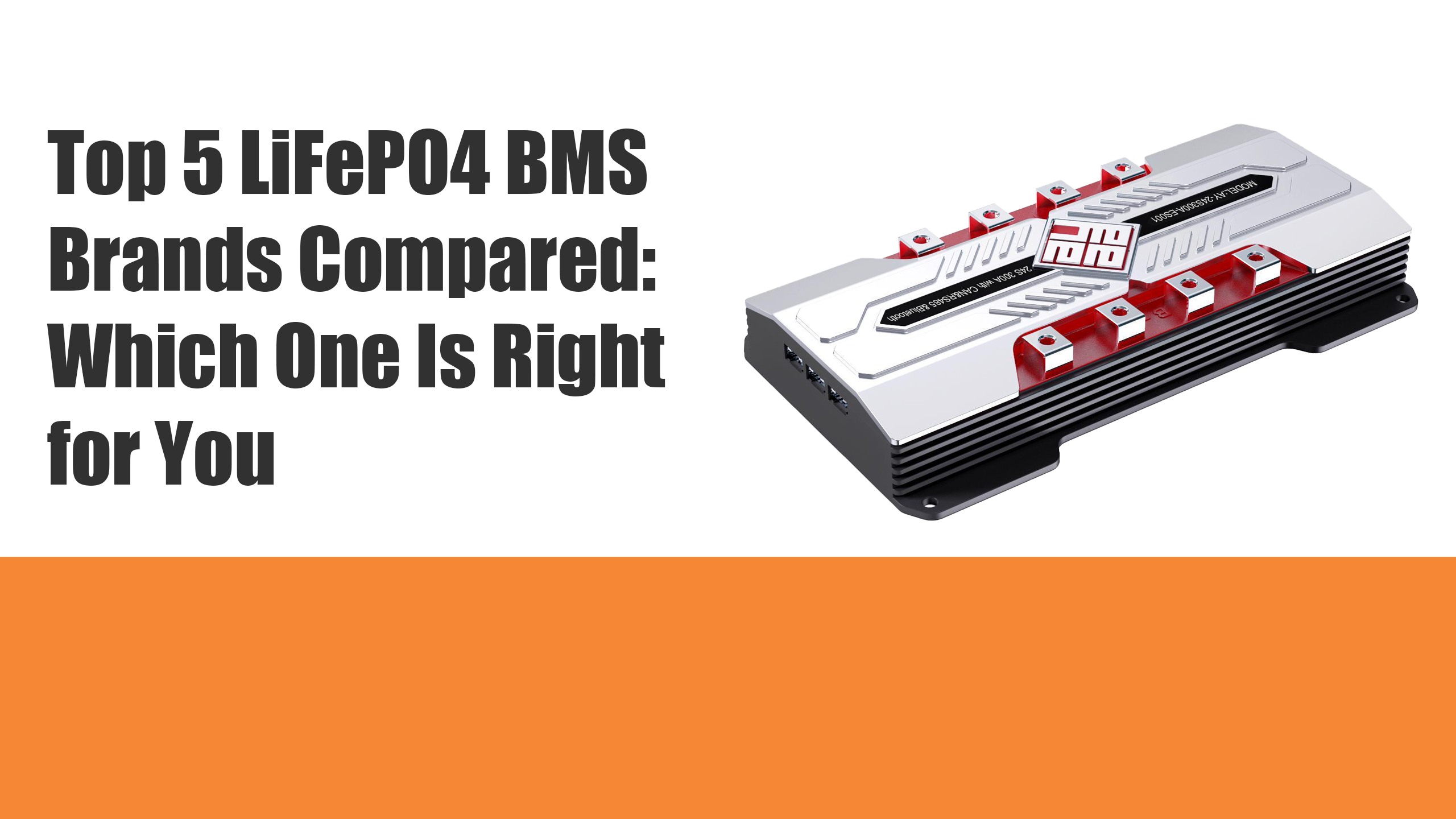
An sophisticated controller built into the battery pack is called a Battery Management System (BMS). It keeps an eye on, safeguards, and enhances the performance of the cells to guarantee the battery runs effectively and safely.
Without a BMS, batteries are exposed to risks like:
Overcharging or over-discharging
Thermal runaway
Cell imbalance
Short circuits
The BMS becomes more than simply a helpful addition in forklift applications where long uptime and consistent performance are essential.
Inside the Structure: How 24V Batteries and BMS Work Together
A standard 24V lithium-ion battery consists of:
Multiple battery cells connected in series (typically 7S to 8S for Li-ion).
Current and temperature sensors
Power control MOSFETs
Embedded BMS board
The BMS:
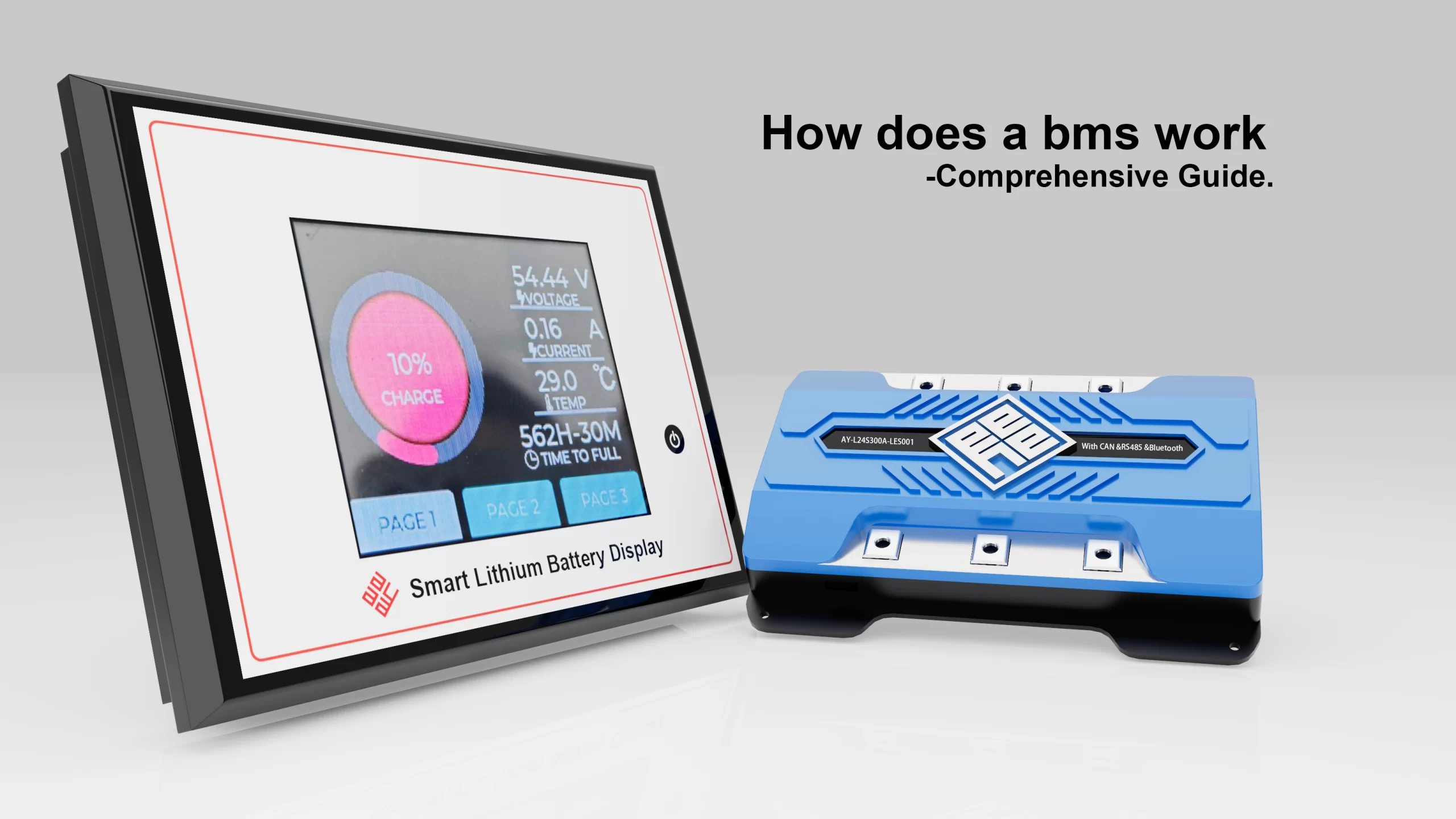
Continuously monitors cell voltage, current, and temperature
Applies balancing algorithms to ensure each cell is operating equally
Manages charging and discharging protocols
Sends alerts if abnormalities occur
This mutually beneficial relationship guarantees the best possible energy use and safeguards the battery and the electrical system of the forklift.
Key Advantages of BMS-Equipped 24V Forklift Batteries
This is how 24V forklift battery performance is enhanced with BMS technology:
Equilíbrio Celular
Active or passive balancing ensures that all cells age uniformly, preventing degradation from weak or overused cells.
Gestão Térmica
Advanced BMS units integrate temperature sensors that allow thermal protections—essential in heavy-duty forklift operations.
Voltage Regulation
By regulating the output voltage, the BMS ensures compatibility with motor controllers and forklift electronics.
Manutenção preditiva
Modern BMS systems with Bluetooth, CANbus, or SMBus interfaces allow real-time monitoring and diagnostic tools to prevent downtime.
Application Scenarios of 24V Forklift Batteries with BMS
You’ll find BMS-equipped 24V battery systems in:
Warehouses and distribution centers
Supermarkets and retail chains
Airports for ground handling equipment
Food and pharmaceutical cold chain logistics
Indoor material handling systems with low-emission requirements
Because these industries depend so heavily on continuous operation, BMS-enhanced battery packs are quickly taking over.
Key Considerations When Choosing a 24V Battery with BMS
When selecting a 24V battery pack, assess:
Discharge rate & load requirements
BMS communication protocols (CAN/I2C/SMBus)
Cell chemistry (LiFePO4 is preferred for safety and cycle life)
Compatibility with your vehicle’s powertrain
Thermal operating range
Additionally, make sure the BMS provides cell balance, overcurrent protection, and data logging, particularly in workplaces with long shifts.
The Future of 24V Battery and BMS Technology
Battery Management Systems are evolving into industrial battery packs’ real-time decision-making engines rather than just passive safeguards. The 24V forklift batteries’ and its BMS’s future include:
BMS units will analyze historical usage data to recommend predictive maintenance schedules and optimize charging cycles based on fleet movement patterns.
IoT & Cloud Connectivity
Through Wi-Fi, 4G, or 5G modules, BMS data can be transmitted to cloud dashboards, allowing fleet managers to monitor SoC (State of Charge), SoH (State of Health), fault codes, and charging behavior across all forklifts.
Modular, Scalable Architectures
Battery systems will be designed in hot-swappable modular units, each with its own local BMS and connected to a master BMS unit, enhancing redundancy and scalability.
Graphene, LFP, and Solid-State Compatibility
As new battery chemistries emerge, BMS design must evolve to manage unique voltage curves, thermal profiles, and charging characteristics, ensuring safety and longevity.
These advancements will optimize productivity, save lifecycle costs, and simplify fleet energy analytics like never before.
Maintenance and Safety Best Practices
Cleaning the terminals is only one aspect of maintaining a 24 volt forklift battery system. When intelligent BMS is used, the strategy becomes proactive and digital:
Battery Maintenance Recommendations:
Schedule weekly BMS log reviews for unusual patterns in charging/discharging curves or thermal anomalies.
Set SoC thresholds within the BMS to avoid 100% or 0% extremes, as frequent full cycles can stress lithium cells.
Store batteries at 50–60% SoC when not in use for extended periods to minimize capacity fade.
Use diagnostic apps or software (provided by BMS vendors) to monitor voltage deviation between cells, which often indicates imbalance.
Safety Features to Enable via BMS:
Short circuit detection response within <1 ms.
Cell-level temperature cut-off with external NTCs.
Automatic safe mode shutdown if key thresholds are breached.
Charge lockout during thermal events to prevent catastrophic failure.
You may reduce risk and maintain operations without costly disruptions by utilizing the BMS’s sophisticated warning and protection functions.
Economic and Environmental Benefits
Making the switch to BMS-controlled 24 volt forklift battery offers a definite return on investment in terms of cost, brand sustainability, and environmental compliance. This is how:
Economic Impact:
30–50% longer lifespan than traditional lead-acid systems
Reduced need for manual maintenance lowers labor costs
No acid spills or hydrogen gas emissions as in lead-acid models
98% recyclable materials in modern lithium cells
Lower energy waste thanks to efficient BMS algorithms
Carbon footprint reduction through extended battery longevity and energy regeneration management
When combined, these benefits demonstrate why employing intelligent 24 volt forklift battery systems no longer requires sacrificing sustainability or profitability.
Conclusion: The Smart Choice for Powering Modern Forklifts
The core of many material handling applications is the 24 volt forklift battery, however it would be difficult to run without a smart BMS. The way forward is to use a high-quality, BMS-equipped battery pack with your forklift as industries seek greater sustainability, safety, and uptime.
Perguntas frequentes
Q:What size battery do I need for my forklift?
A:Forklifts can run on 36-volt or 48-volt batteries; make sure your lift truck is capable of handling both. Making a poor decision could seriously harm your apparatus.
Q:How many hours will a forklift battery last?
A:A standard forklift battery gives you about 6,000 working hours and can be worth up to 30% of the price of a new vehicle. As long as you maintain it in accordance with the manufacturer’s recommendations, it will serve as your fuel for the next five years or longer.
Q:How to choose a forklift battery?
A:Five Things to Consider Before Purchasing Forklift Batteries
The right size. Knowing the correct battery dimensions for your forklift is essential when choosing a battery.
the right voltage. A 36-volt or 48-volt lithium-ion forklift battery powers the majority of forklifts.
Amp-Hour Capacity.
Necessary Counterweight.
Q:Why is my forklift battery draining so fast?
A:Your forklift battery may not be retaining a charge as well as it formerly did if it drains very quickly. It serves as a warning that the battery’s internal chemical reactions are not proceeding as they ought to. (This is also the reason why batteries perform worse in colder climates.)
Q:Which is better, lead-acid or lithium ion?
A:Lead acid batteries have efficiencies of about 80–85%, but lithium ion batteries are usually at least 95% efficient. This is significant because it makes it possible for the battery to charge more quickly and has a higher effective battery capacity, which is related to the amount of energy the battery can store.
Q:Is it safe to charge a forklift overnight?
A:Can a forklift be charged overnight? It is possible to charge a lot of forklift batteries overnight. Overcharging prevention mechanisms are common in modern chargers, but careful observation is crucial.
Need BMS Solutions for 24V Forklift Batteries?
Shenzhen Ayaa Technology Co., Ltd. provides scalable and adaptable battery management systems to satisfy the most exacting industrial standards if you’re searching for dependable, high-performance 24V BMS products.