Como as baterias de 48V para empilhadeiras impulsionam a logística eficiente e sustentável.
3069
Como as baterias de 48V para empilhadeiras impulsionam a logística eficiente e sustentável.
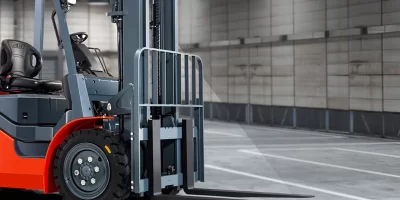
The foundations of operational success in the modern, fast-paced logistics and storage sectors are sustainability and efficiency. The use of 48V forklift batteries, which are transforming the operation of material handling equipment (MHE), is one of the most important developments in this field. When combined with cutting-edge Battery Management Systems (BMS), these high-performance batteries guarantee that operations are not only environmentally friendly but also powered effectively.
This paper explores how 48V empilhadeira batteries support sustainable and effective logistics. The benefits of these batteries, their effects on operations, their operation, and the critical role the BMS plays in optimizing their performance and prolonging their lives will all be covered. We’ll also go over important things to think about when choosing the best 48V forklift battery for your need.
What Is a 48V Forklift Battery?
One kind of lead-acid or lithium-ion battery made specifically to supply the power required for forklifts and other material handling machinery is the 48V forklift battery. Usually, these batteries have 24 separate cells connected in series, each of which provides 2V, for a total voltage of 48V.
These 48V batteries are now the industry standard for material handling because they provide a well-balanced mix of power, efficiency, and affordability. 48V forklift batteries are becoming more and more crucial as the sector moves toward sustainability in order to lower carbon footprints, enhance energy use, and boost operational effectiveness.
Key Advantages of 48V Forklift Batteries
Improved Efficiency
In order to improve electric forklift performance and minimize energy loss, 48V forklift batteries are made to deliver the best possible power output. These batteries can effectively manage both low and high power needs whether they are utilized in industrial facilities, distribution hubs, or warehouses.
The forklift can operate for longer on a single charge thanks to the greater voltage, which decreases charging downtime and boosts operational effectiveness. Businesses can so greatly increase their production, which is crucial in settings with high demand.
Sustainability Benefits
Compared to conventional lead-acid forklift batteries, 48V forklift batteries are not only more eco-friendly but also more efficient. Lithium-ion batteries, which have a better energy density, a longer cycle life, and lower emissions, are commonly used in these batteries.
Businesses can significantly lessen their environmental impact by converting to 48V lithium-ion batteries. Less battery waste and less maintenance are required because of the faster recharge time and less demand for frequent battery replacements. These elements support a more sustainable and environmentally friendly logistical operation.
Faster Charging and Reduced Downtime
Faster charging is possible with the 48V forklift battery, particularly when a Battery Management System (BMS) is used. By strategically controlling the charging procedure, the BMS makes sure the battery is charged promptly and effectively, cutting down on the amount of time that forklifts are out of commission.
This implies that companies can increase productivity throughout the day and optimize uptime, which will enhance workflow and efficiency overall.
The Role of Battery Management Systems (BMS) in 48v forklift battery
Cell Monitoring and Protection
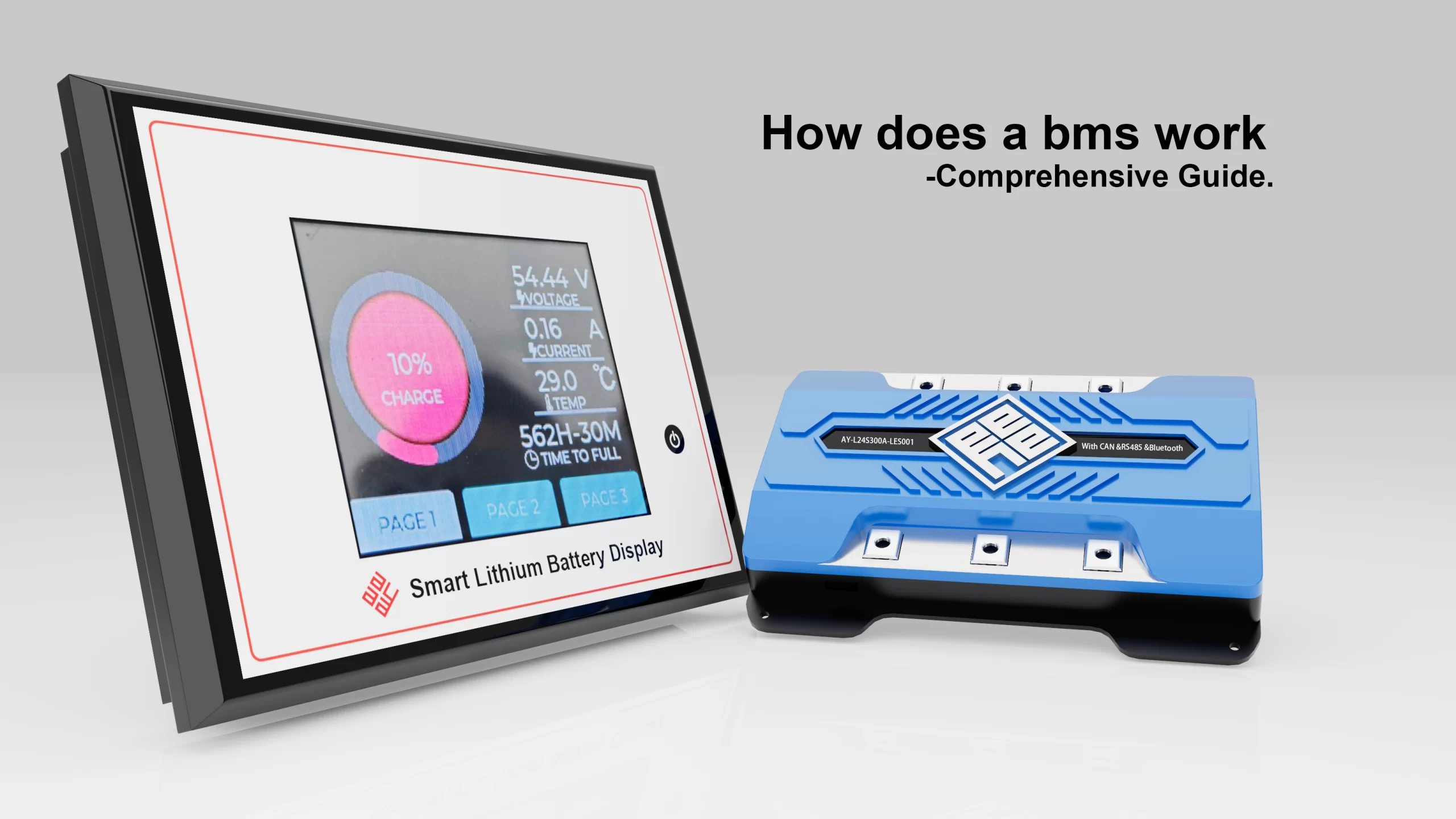
The core of a 48V forklift battery is the Battery Management System (BMS), which offers constant cell-by-cell monitoring. The BMS makes sure that every cell is charged to the ideal level and keeps any one cell from being overcharged or overdischarged, which could harm the battery over time.
Additionally, it monitors the battery’s general condition, spotting problems early and stopping them from getting worse. This makes preventative maintenance possible, avoiding expensive downtime and extending the forklift battery’s lifespan.
Balancing the Battery Cells
Active cell balancing is one of a BMS’s primary roles. Individual cells in a 48V forklift battery may inherently become unbalanced over time as a result of minute fluctuations in their charge levels. The weaker cells may function worse and wear down more quickly as a result of this imbalance.
By dispersing energy as needed to keep each cell in the 48V forklift battery in optimal operating condition, a BMS makes sure that every cell stays balanced. As a result, the battery is more effective and lasts longer.
Temperature Monitoring
When operating, forklift batteries have the potential to produce heat, particularly when subjected to high loads. To make sure the battery stays within safe operating parameters, a BMS continuously checks its temperature. The BMS will limit charging or discharging rates if the temperature rises over a predetermined point, avoiding thermal runaway and prolonging battery life.
How 48v forklift battery Work
A 48V forklift battery’s cells undergo a number of electrochemical reactions that store and release electrical energy. This is an explanation of how the battery works:
Charging Process: The BMS controls the battery’s current flow while charging to guarantee that every cell gets the right voltage and avoid overcharging. The battery’s cells chemically store electrical energy.
Discharge Cycle: The energy released by the battery is transformed into mechanical power to move the forklift when it is in operation. By controlling the current flowing from the battery to the motor, the BMS makes sure the battery runs effectively and securely.
Energy Regeneration: The device may recover energy and re-feed it into the battery when the forklift brakes or slows down, increasing overall efficiency.
Choosing the Best 48V Forklift Battery for Your Operations
Choosing a 48V forklift battery for your fleet requires careful consideration of a number of aspects:
Power Requirements
Identifying your forklift’s power requirements first involves analyzing the kinds of weights it will lift, how frequently it will be used, and the terrain it will traverse. Although 48V batteries can be used for many different things, the power rating should be adjusted to fit your operation’s unique needs.
Battery Chemistry
Lead-acid or lithium-ion batteries make up the majority of 48V forklift batteries. Greater efficiency, a longer lifespan, quicker charging, and improved performance in extremely hot or cold environments are all benefits of lithium-ion batteries. Because they are less expensive initially, lead-acid batteries are still widely used, although they need more upkeep and have a shorter lifespan.
Maintenance and Monitoring
The 48V forklift battery should come with a reliable BMS to make maintenance and monitoring simple. Real-time information on the battery’s condition, charge level, and temperature should be available via the BMS.
Future Trends in 48v forklift battery
48V forklift batteries are expected to experience major developments as the need for more environmentally friendly and efficient material handling equipment expands. Important trends consist of:
Further Integration with AI and IoT: The combination of artificial intelligence and the Internet of Things (IoT) will make BMS systems even more intelligent. Forklift real-time data will be gathered, examined, and used to operational optimization.
Advanced Battery Chemistries: The creation of novel battery chemistries, such sodium-ion, may provide more affordable options to lithium-ion batteries.
Longer Battery Lifespan: 48V forklift batteries will continue to have longer operational lifespans due to ongoing advancements in BMS technology, which will eventually lower costs.
Perguntas frequentes
Q:Is a 48V battery powerful?
A:48V batteries have the benefit of taking up less physical space while providing a significant amount of power because of their increased energy density. This effective use of space is especially useful in situations with limited real estate, such food trucks or small power installations.
Q:How many cells does it take to make a 48V 20Ah battery?
A:20Ah/(2.5Ah per cell) = 8 cells in parallel is required to reach 20Ah. Thus, 3.7V (the battery’s voltage) at 20Ah is obtained from a block of 8 cells connected in parallel. Thirteen of these groups of eight must be connected in series in order to obtain 20Ah for 48V. 13s8P, or 13*8, hence equals 104 cells.
Q:How many kW is a 48V battery?
A:The overall energy capacity of a 48V 100Ah lithium battery is 4.8 kWh, which is determined by multiplying the voltage (48V) by the ampere-hours (100Ah).
Q:How long do 48V batteries last?
A:With the right maintenance and use, a good 48V lithium battery can last three to five years for the majority of users. This longevity, however, may be on the lower end of the range for batteries found in cars or other devices that are used often throughout the day.
Q:How many hours to charge a 48V battery?
A:For a 48V 100Ah lithium battery: A 48V lithium battery can be fully charged in 4–5.2 hours using a 25A charger. A 48v lithium battery may be fully charged in 1.67 to 2.17 hours using a 60A charger.
Q:How many hours will a 48V 20Ah battery last?
A:About 9.6 hours would pass before the 48V/20Ah battery needed to be recharged.
Conclusão
The effectiveness, security, and sustainability of your operations can be greatly increased by selecting the appropriate 48V forklift battery and combining it with a dependable Battery Management System (BMS). You may lower operating expenses and help your company have a greener future by guaranteeing peak performance, eliminating downtime, and prolonging battery life.
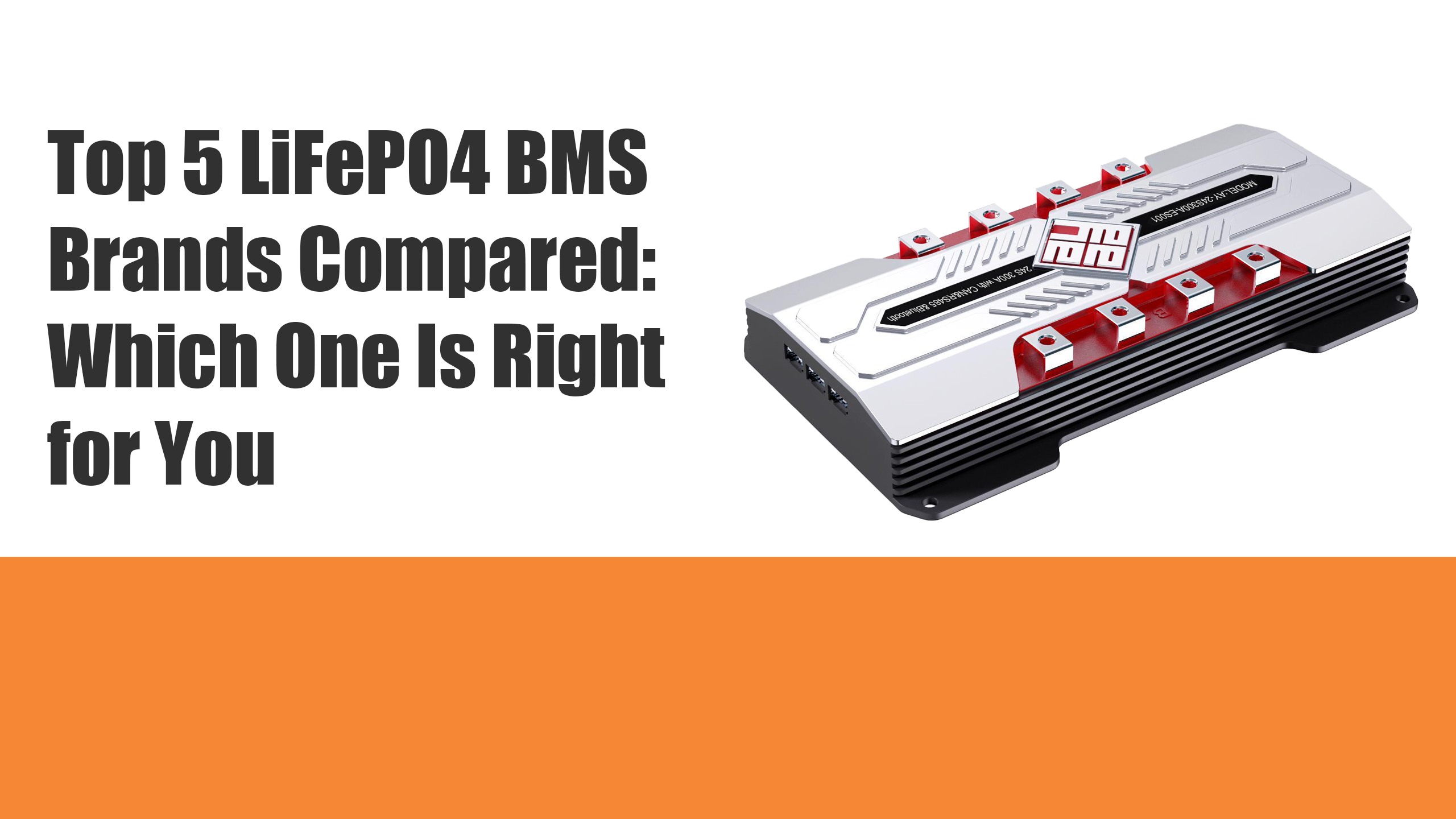
With state-of-the-art technology, Shenzhen Ayaa Technology Co., Ltd. helps you optimize your logistics operations by providing sophisticated BMS solutions that guarantee the best performance, safety, and longevity for your 48V forklift batteries.