- Industries

Home Backup & Garden BMS
View More >Electric Forklift BMS
View More >Golf Cart BMS
View More >Electric Two-wheeler BMS
View More >Aviation & UAV BMS
View More >BMS For Power Tools
View More >Medical Equipment BMS
View More >





Home About Us EVENTS & NEWS Top Rated Golf Cart Batteries of 2025: A Deep Dive into Performance, Sustainability, and Innovation
As golf carts become increasingly common on golf courses, in residential communities, and even in urban mobility, their batteries serve as the critical power source. Battery technology defines a cart’s performance, range, and cost-efficiency. With the rise in searches for top rated golf cart batteries, consumers are keenly focused on choosing between lithium and lead-acid options, evaluating advanced BMS (Battery Management System) features, understanding cold-weather performance, and exploring cutting-edge applications. In 2025, the global battery market is more competitive than ever, with Chinese brands like Ayaatech gaining recognition for their high-performance lithium solutions and intelligent management systems.
This comprehensive analysis delves into why lithium batteries are now mainstream, assesses the feasibility of solar-powered zero-emission golf carts, profiles Ayaatech’s brand strength, examines winter performance, and offers guidance on buying used batteries. Our mission is to help you select the top rated golf cart batteries that harmonize performance and eco-friendliness.

Why Battery Type Matters
The battery is the heartbeat of any golf cart—determining how far it can go, how well it accelerates, and how much it will cost in upkeep. Among the most popular types are lithium (especially LiFePO₄) and lead-acid. Their differences in weight, lifespan, efficiency, and upfront cost are considerable. Lithium emerges as the leading choice for light weight, longevity, and efficiency, while lead-acid remains appealing due to its lower initial price.
Lithium Battery Advantages
Lightweight and Energy-Dense: Lithium batteries, typically lithium iron phosphate (LiFePO₄), weigh 50–70% less than comparable lead-acid units, enhancing cart maneuverability and efficiency.
Exceptional Lifespan: With cycle lives ranging from 2,000–5,000 cycles, lithium far outlasts lead-acid’s 500–1,000 cycles—delivering a far longer usable life.
Fast Charging & No Memory Effect: Lithium supports rapid charging and doesn’t suffer from memory degradation, allowing top‑off charging at any time.
Consistent Voltage Output: Delivers stable power throughout discharge cycles.
Higher Initial Cost: Up to 2–3 times the price of lead-acid; however, the longer lifespan and lower operating costs often justify the investment.
These performance characteristics are present in all of the top rated golf cart batteries in the lithium category.
When Lead‑Acid Still Makes Sense
Lead-acid batteries are a proven, budget-friendly option with a longer history in the marketplace. While maintenance—like checking electrolyte levels and regular watering—is necessary, they are adequate for low-use scenarios with minimal range demands. They’re heavier, require 8–10 hours per charge, and suffer significant capacity loss if deeply discharged.
Decision Factors
When picking between lithium and lead-acid top rated golf cart batteries, consider:
Usage Frequency: Daily use favors lithium.
Required Range: Longer trips benefit from lithium’s stable discharge.
Budget Constraints: Lead-acid wins on upfront cost.
Maintenance Preference: Lithium is nearly maintenance free.
What’s Special About 48V?
The 48-volt lithium system is rapidly overtaking older 36V setups and traditional lead-acid packs in modern golf carts. Here’s why it’s becoming the top rated golf cart batteries standard:
Performance & Power Efficiency
High Power Output: A higher voltage pack (48V) allows the motor to run more efficiently—offering better torque, acceleration, and climbing ability.
Stable Voltage During Discharge: Lithium maintains nearly flat discharge curves, so carts perform consistently until near-empty, unlike lead-acid counterparts.
Weight Reduction & Extended Longevity
Lightweight Solutions: A 48V lithium battery weighs only a third of its lead-acid equivalent, improving acceleration, braking, and handling.
Longer Life Expectancy: With cycle lives of 2,000+ (LiFePO₄), carts can easily see 8–10 years of service.
Eco‑Friendly & Low Maintenance
No watering or electrolyte checks are needed. Self-discharge rates are low, and lithium packs offer eco-friendlier production and recycling.
Many of the top rated golf cart batteries now feature smart BMS integration and lighter weight designs in 48V trays.
Not necessarily. Smaller courses or carts with minimal power needs might find 36V lead-acid sufficient. But for most users seeking top-tier performance and longevity, 48V lithium is increasingly the go-to top rated golf cart batteries choice.
Solar + Lithium: Zero‑Emission Golf Cart Feasibility
Can Solar-powered Golf Carts Be Truly Zero-Emission?
The concept of pairing solar panels with lithium batteries for fully electric, zero-emission golf carts is gaining traction—especially for eco-conscious users.
Solar Charging Potential
Efficient Panels: Modern monocrystalline solar panels at 20–22% efficiency can generate \~0.5–0.8 kWh per 100 W panel daily in optimal conditions.
Charging Synergy: Paired with lithium’s \~95% charging efficiency and low self-discharge, solar becomes a robust charging source.
Design Steps
1. Energy Requirement Analysis: Calculate daily cart mileage and energy needs to size battery and solar array.
2. High-Efficiency Panels: Compact, lightweight solar modules to mount on the cart roof.
3. MPPT Controllers: For maximum solar-to-battery power conversion.
4. System Integration: Ensuring solar output integrates seamlessly with lithium BMS.
5. Routine Maintenance: Surface cleaning and BMS health checks.
Challenges & Mitigation
Weather Dependency: Cloud cover reduces output—backup charging solutions (grid/generator) are advisable.
Cost Considerations: Solar kits can be expensive up front, but long-term energy savings and eco-benefits offset costs—especially in consistent sunlit regions.
Smart Integration: Using top-tier top rated golf cart batteries with intelligent BMS ensures operational dependability.
This eco-friendly pairing suits sun-rich locales—public courses, resorts, or green campuses aiming to achieve truly zero-emission operations.
Why Ayaatech is Turning Heads
Founded in 2006, Ayaatech has carved a niche in high-performance lithium battery tech and smart BMS systems designed for golf carts. The 48V lithium series emerges as a leading candidate among top rated golf cart batteries in 2025, offering power, intelligence, and cost-effectiveness.
Key Performance Features
LiFePO₄ Chemistry: Guaranteed longevity with 2,000–5,000 cycles—far outpacing lead-acid packs.
Advanced BMS: Supports Bluetooth, CAN bus, and real-time condition monitoring.
High Discharge Capability: Up to 100A continuous output suits demanding applications.
Rigorous Qualification: Certified to AEC-Q100 automotive and ISO 16750 standards, with failure rates below 0.1%.
Competitive Pricing
Ayaatech’s economies of scale allow pricing that’s 10–20% lower than comparable Western brands—without sacrificing quality. OEM/ODM options and robust warranty support further enhance long-term value.
Customer Feedback
Cart fleet operators praise battery longevity and monitoring ease, via apps like “BMS ES.” Some feedback highlights room for improvement in global shipping and support. Overall, Ayaatech solidifies its place among the top rated golf cart batteries for high-value Chinese manufacturers.
Summary
Ayaatech’s blend of best-in-class battery science, smart management, and economical pricing positions it strongly for users seeking performance and cost balance.
Regardless of your chosen type—lithium or lead-acid—the following proven maintenance strategies help boost lifespan, safety, and ROI from your top rated golf cart batteries.
1. Tight Connections: Ensure terminals are clean, corrosion-free, and securely tightened.
2. Avoid Deep Discharge:
Lithium: 20%–80% usage range.
Lead-acid: Avoid dropping below 50% to preserve longevity.
3. Use Proper Chargers: Match voltages and battery chemistry; lithium requires smart chargers compatible with BMS control.
4. Store Properly:
Keep at 15–25 °C in dry areas.
Lithium: 50% SOC for long-term storage.
Lead-acid: Monthly top-off charging.
5. Clean Surfaces: Wipe down batteries; add distilled water to lead-acid cells only.
6. Monitor Temperature: Avoid exposing batteries to extremes. Lithium with BMS can manage internal heating; still, they benefit from ambient-friendly conditions.
7. Follow Manufacturer Guidance: Observe brand-specific care instructions—especially for top rated golf cart batteries like Ayaatech.
These steps can help extend battery life by 30–50%, reduce failure risks, and maximize long‑term usability—especially for lithium units that can last nearly a decade with proper care.
How Tariffs Impact Chinese Battery Firms
U.S. tariffs on Chinese battery imports raised costs, challenging pricing competitiveness. Still, companies like Ayaatech are navigating by innovating, optimizing production, and expanding globally.
Strategic Responses
Cost Reduction via Efficiency: Silencing tariffs through lower production costs (e.g., LiFePO₄ efficiencies, advanced BMS).
Diversifying Markets: Focusing on opportunities in Europe, Southeast Asia, and Australia.
Local Assembly: Partnering with North American distributors to build regional battery packs and provide local support—circumventing tariff barriers.
Localized Model
Local warehouses and service centers reduce shipping time and improve customer responsiveness. Coupled with high-tech product differentiation (e.g., smart BMS, Bluetooth), these strategies reinforce Chinese firms as producers of top rated golf cart batteries globally.
What is a Smart BMS?
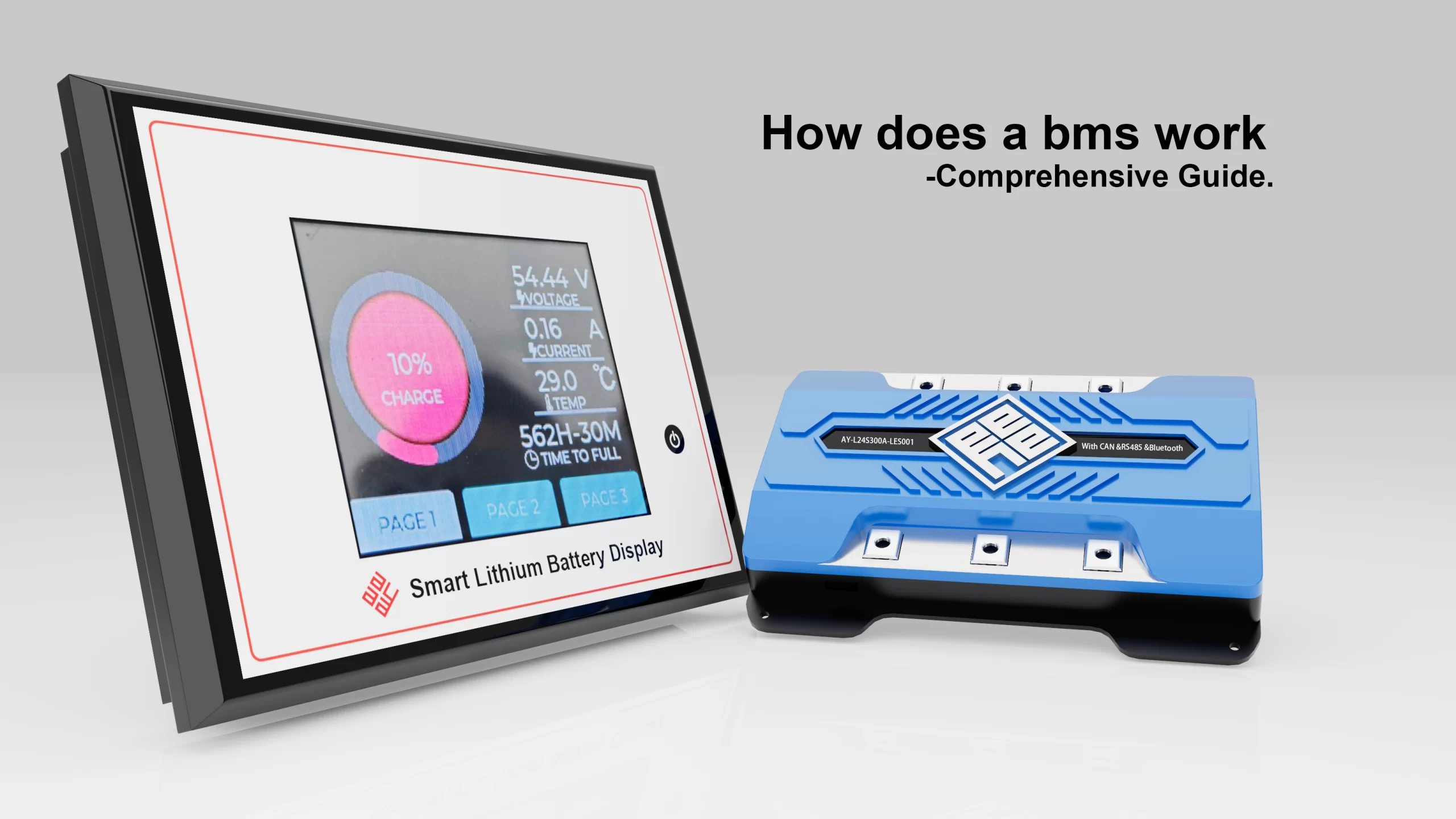
A Battery Management System (BMS) monitors voltage, current, temperature, and charge cycles—especially in lithium packs. Smart BMS systems like those from Ayaatech provide digital control and insights that enhance safety and performance for top rated golf cart batteries.
Performance Enhancements Through BMS
Accurate Range Prediction: Real-time SOC estimates help users plan usage.
Cell Balancing: Ensures even voltage across cell groups, prolonging pack life.
Circuit Protection: Safeguards against overheating, overcharging, and short circuits.
Remote Monitoring: Bluetooth or Wi-Fi connectivity enables remote status checks and diagnostics.
By maximizing battery life, reducing failures, and boosting operational efficiency, a smart BMS is indispensable for modern cart fleets and serious users. It’s one key reason why many 2025 top rated golf cart batteries offer this tech as standard.
Winter Battery Performance: Lithium vs. Lead‑Acid
Cold Weather Matters
Operating in sub‑zero conditions imposes significant stress on batteries. Efficiency and capacity tend to drop dramatically—making cold-season performance a critical factor for top rated golf cart batteries.
Lithium vs. Lead‑Acid in the Cold
Lead‑Acid: At –10°C, capacity may fall by 30–50%; charging time increases, and freezing electrolytes can cause severe damage.
Lithium (LiFePO₄): Capacity drop is much milder at 10–20%. Low-temperature charging is often supported, especially when combined with internal heaters—and BMS systems adapt discharge limits accordingly.
Ayaatech’s BMS-enabled lithium batteries rely on temperature sensors to optimize performance, ensuring consistent output even in harsh climates.
Winter Maintenance Tips
Insulation Sleeves: Retain warmth around battery packs.
Heated Models: Choose lithium types with built-in heating.
Maintain Charge Levels: Never let SOC fall below 30% in the cold.
Indoor Storage: Keep batteries warm when not in use.
Overall, lithium beats lead-acid in winter resilience, making it the preferred choice for cold-weather carton applications—further enhanced by top rated golf cart batteries with smart BMS.
Beyond sports use, modern electric carts offer a spectrum of use-cases—thanks to advanced battery packs. Examples include:
1. Community Mobility: Electric carts serve as shuttles in gated communities and campuses.
2. Eco-Tourism Shuttles: Offer quiet and clean tours in scenic parks and resorts.
3. Industrial Patrol Units: Used for security and logistics in factories and warehouses.
4. Airport Tugs: Transport personnel or carry equipment within terminals.
5. Medical Internal Transport: Move patients and medical supplies between wards.
6. Resort Luggage Carts: Provide smooth service across expansive resort grounds.
7. Last-Mile Delivery: Electric carts deliver packages in urban neighborhoods.
8. Agricultural Transport: Ferry tools and produce across farms and orchards.
9. Event Support Vehicles: Serve as mobile food/beverage or first‑aid carts at festivals.
10. Elderly Community Ride‑Ons: Offer safe, low-speed mobility solutions for seniors.
Equipped with top rated golf cart batteries, especially 48V lithium with smart BMS, these multi-functional vehicles achieve ranges of 50–80 km and quickly recharge—ideal for diverse applications.
Are Used Batteries Worth It?
Second‑hand lithium packs can come at a discount and perform well—but their cycle life may be partly consumed, and internal damage may not be visible. Lead-acid units degrade further and carry higher maintenance. Misjudgments can lead to reliability or safety risks.
A Step‑By‑Step Vetting Guide
1. Usage History: Record cycle count, age, and charge history—certified packs (e.g., from Ayaatech) are safer bets.
2. Performance Tests: Check actual capacity, voltage stability, and internal resistance with BMS tools.
3. BMS Condition: Verify that protective functions (over/under-voltage, temperature cut-off) are fully operational.
4. Seller Vetting: Favor reputable resellers or manufacturer-authorized programs.
5. Warranty Coverage: Confirm if limited coverage is provided to reduce purchase risk.
Getting Value
Seek lithium batteries under 3 years old with fewer than 1,000 charge cycles. Often, a new lithium pack—especially a top rated golf cart batteries model with smart BMS—is a better investment over time due to reliability and lasted lifespan.
In the quest for top rated golf cart batteries, lithium—particularly 48V LiFePO₄ with smart BMS—dominates the market today. Offering extended life, lightweight design, energy efficiency, and real-time performance monitoring, these batteries make economic and environmental sense. Brands like Ayaatech lead the charge in 2025, providing high-quality, cost-competitive options validated by rigorous testing and real user experience. Pairing them with solar power can even realize zero-emission operation, while scientific maintenance can extend life, and caution can safeguard second‑hand purchases. From winter performance to imaginative uses beyond golf, today’s battery technology transforms golf carts into versatile, sustainable mobility platforms.
By choosing wisely and investing smartly, whether you’re managing a golf course or seeking greener urban transport, the top rated golf cart batteries of 2025 deliver enhanced performance, reduced environmental impact, and optimal cost-effectiveness.
Contact Us