- Industries

Home Backup & Garden BMS
View More >Electric Forklift BMS
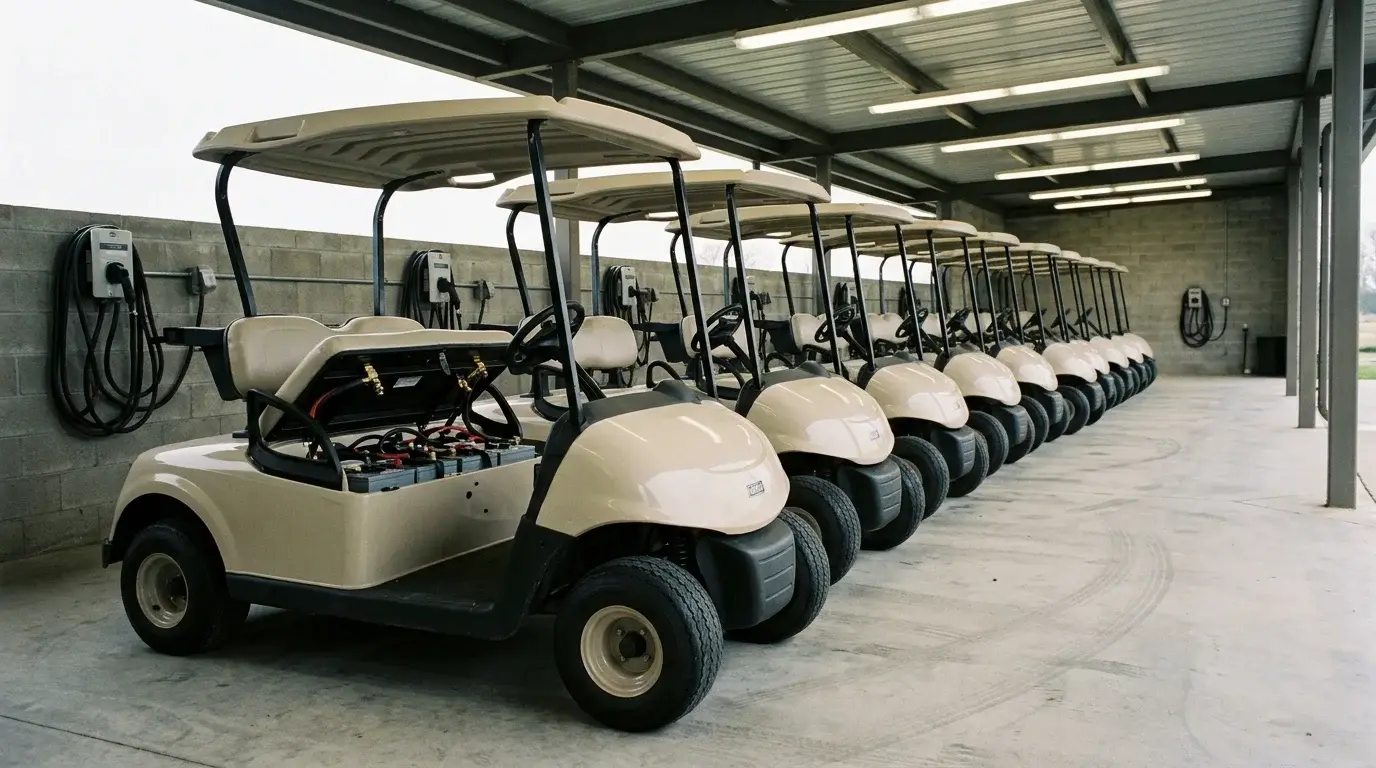
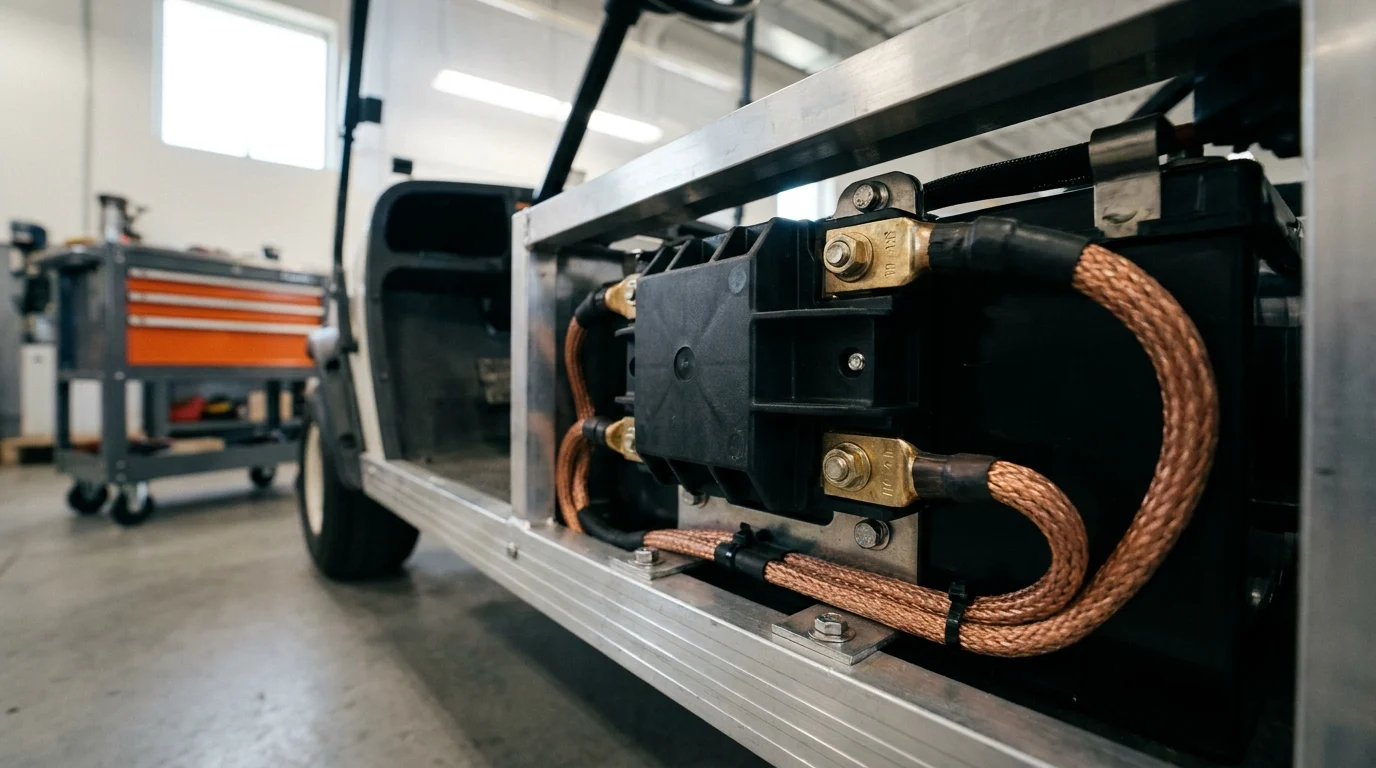
View More >Golf Cart BMS
View More >Electric Two-wheeler BMS
View More >Aviation & UAV BMS
View More >BMS For Power Tools
View More >Medical Equipment BMS
View More >





Home About Us EVENTS & NEWS The Evolution of 18650 Drone Batteries and the Role of Advanced Battery Management Systems
The drone industry has undergone a revolution thanks to the incorporation of lithium-ion battery technology into unmanned aerial vehicles (UAVs). The 18650 drone battery has become a popular option among several cell forms due to its ability to balance energy density, weight, cost, and form factor. 18650 batteries were first created for consumer devices, but because of their scalability and reliable operation in challenging flight conditions, they are now frequently used in drones.
However, battery safety, efficiency, and lifecycle control have grown crucial as drones become more intelligent, adaptable, and mission-critical—from defense to agricultural. This is where sophisticated Battery Management Systems (BMS) are useful, turning a basic power source into an energy system with intelligence.

The 18650 lithium-ion cell has dimensions of 65 mm in length and 18 mm in diameter. Despite its small size, it can provide hundreds of charge-discharge cycles, little self-discharge, and a high energy density (usually between 200 and 300 Wh/kg). To meet the voltage and capacity needs of various drone systems, these cells can be set up in parallel (P) and series (S) configurations.
Key Advantages of 18650 Drone Batteries:
Modularity: Flexible in configuring various voltage and capacity levels.
Energy Density: Superior to other chemistries like LiFePO₄ for lightweight UAVs.
Cost-Efficiency: Mature manufacturing process keeps pricing reasonable.
Temperature Performance: Capable of operation in a wider range of environmental conditions.
Although 18650 cells have many benefits, using them in drone applications comes with a number of difficulties:
Cell Imbalance: Differences in charge/discharge rates between cells lead to shortened battery life and uneven performance.
Overcharge or Deep Discharge Risks: These can cause thermal runaway or cell degradation.
Inaccurate Capacity Estimation: Without real-time monitoring, drones may fail mid-air due to unexpected battery depletion.
Lack of Thermal Management: High discharge rates during takeoff or maneuvering can overheat the battery pack.
Because of these difficulties, intelligent energy control is required, which makes a smart BMS necessary.
An electronic control unit called a Battery Management System (BMS) keeps an eye on and regulates a battery pack’s performance. It serves as the drone’s central nervous system for safety and energy control.
Key Functions of a Smart BMS for 18650 Drone Battery:
Cell Monitoring and Balancing: Ensures all cells within the pack are uniformly charged and discharged to prevent aging or overstrain.
Thermal Regulation: Monitors internal and ambient temperatures to trigger cooling mechanisms or throttle performance.
Overcurrent and Overvoltage Protection: Prevents hazardous conditions that may cause fires or permanent damage.
State of Charge (SOC) Estimation: Provides real-time battery status to the flight controller to ensure energy-aware navigation.
Data Communication: Interfaces with the drone’s main control unit via CAN, UART, or RS485 for diagnostics and performance analytics.
Remote Monitoring via Bluetooth or Cloud Gateway: Allows operators to assess battery health offsite.
Because of these characteristics, BMS is an essential component of any high-performance 18650 drone battery pack, particularly when using drones for business or industrial purposes.
Let’s look at how smart BMS and 18650 drone batteries work together to support actual UAV flights:
| Application | BMS Contribution |
|---|---|
| Aerial Surveying | Enables extended flights with precise SOC estimation and thermal alerts |
| Delivery Drones | Manages battery cycles for frequent charges and discharges |
| Military UAVs | Ensures fault-tolerance and encrypted telemetry via BMS communication |
| Agricultural Drones | Balances high-load spraying mechanisms with efficient battery usage |
| FPV Racing Drones | Provides burst current control and thermal protection during sprints |
The management of 18650 drone battery is changing as a result of the integration of edge computing, AI-enabled BMS, and IoT connectivity. For fleet-wide management, predictive algorithms can now anticipate cell failure, suggest the best charging practices, and synchronize battery status with cloud-based systems.
Furthermore, cutting-edge materials like solid-state lithium batteries and silicon-anode technologies could significantly expand the 18650 format’s potential. However, system-level inefficiencies would negate these gains in the absence of an equally sophisticated BMS.
Take into account the following when choosing a BMS for an 18650 drone battery:
Cell Compatibility: Ensure voltage and configuration match the pack (e.g., 3S1P, 4S2P).
Communication Protocols: CAN and UART are essential for seamless integration.
Discharge Rate Support: Match the BMS with expected drone power peaks.
Thermal Tolerance: Choose systems with active cooling or advanced thermal logic.
Size and Weight: Keep the BMS lightweight for drone airframes.
In drone missions, a strong BMS not only safeguards 18650 batteries but also increases their efficacy.
Drone operations have a smaller environmental impact and less e-waste when 18650 batteries are used efficiently under the guidance of smart BMS. Additionally, properly managed batteries result in a significant reduction in replacement and maintenance costs.
Additionally, BMS makes it feasible for 18650 batteries to be used in non-flight storage systems, promoting sustainability and circular energy use.
Once merely a recycled consumer cell, the 18650 drone battery has developed into an essential part of contemporary UAV design. However, the sophisticated BMS transforms this battery from merely utilitarian to genuinely intelligent, allowing for longer operational lifespans, improved performance, and safer flights.
Drones’ power systems need to advance with their intelligence. Today, selecting a drone battery without a BMS is similar to flying without a navigation system; while it might work for a while, the hazards eventually outweigh the benefits.
Q:How many 18650 batteries to make 48V 20Ah?
A:3.7V (the battery’s voltage) at 20Ah is obtained from a block of 8 cells connected in parallel. Thirteen of these groups of eight must be connected in series in order to obtain 20Ah for 48V. Thus, 13*8 = 104 cells or 13s8P
Q:Are 9900mAh 18650 real?
A:Not at all. The maximum capacity of the 18650 battery technology available today is around 3600mah.
Q:Which battery is better for drones?
A:Lithium-ion (Li-ion): Li-ion batteries are ideal for drones that need to fly for extended periods of time since they have a longer lifespan and are more durable.
Q:Which 18650 is the most powerful?
A:The Panasonic NCR18650G (3600mAh) is the largest 18650 with a commercially available capacity. The LG INR18650-M36, which costs about 3550 maH, is the next runner-up. We have discovered and tested new 18650 cells with a larger capacity! Where to purchase them is shown below.
Q:What is the highest capacity of 18650 battery?
A:18650 batteries range in capacity from 2,300 to 3,600 mAh and are typically 3.6/3.7 volts.
Q:How many 18650 batteries does it take to make 36V?
A:36V is equivalent to 10 18650 batteries connected in series.
Our specialty at Ayaa Technology is providing top-notch smart BMS solutions that are tailored for drone power systems and support 18650 battery types. Our solutions enable safe and effective drone operations in commercial, industrial, and research areas with features including CAN connectivity, heat protection, balancing control, and modular design.
Learn more at www.ayaatech.com
Contact Us