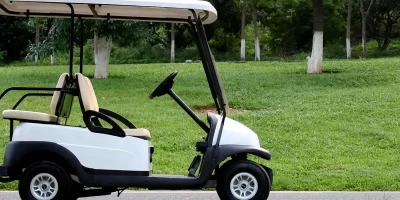
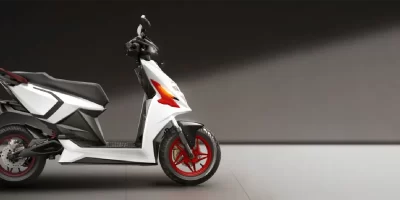
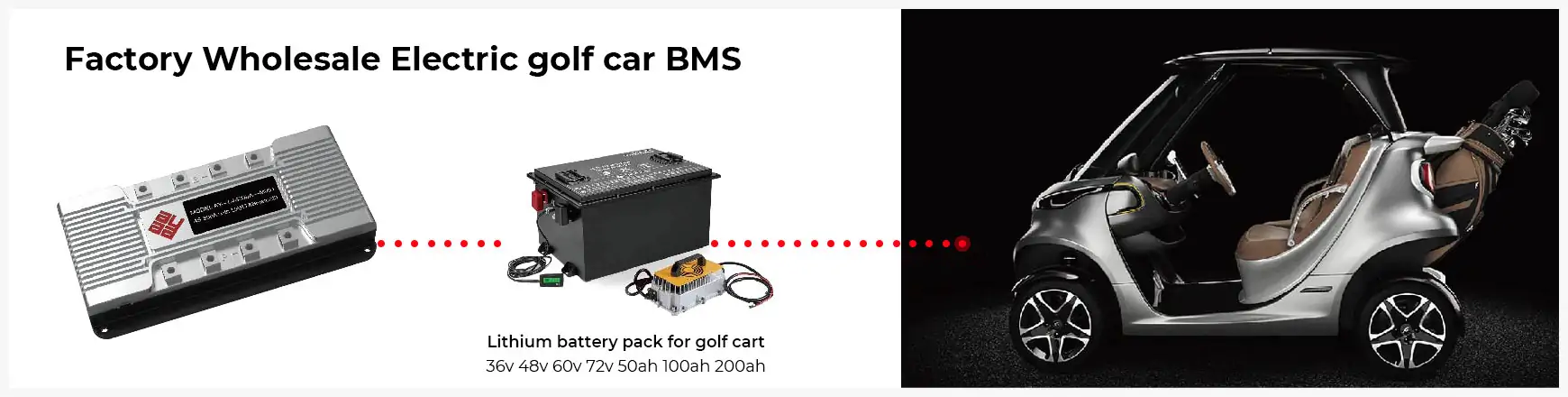
Piastra di protezione 11S-15S 150A e bilanciamento della cinghia applicati al BMS di veicoli a tre ruote, golf cart, tavole da surf a getto e veicoli a due ruote
Modello:AY-LS15S150A-H210 (11S-15S)
Tipo di batteria:Ioni di litio, LiFePO4
Serie(e):11S-15S
Tensione nominale:35.2V-48V
Corrente di scarica continua:150A
equilibrio attivo:/
Protocolli di Comunicazione:RS485/CAN
Misurare:L210 * W75 * T17 mm
Campi di applicazione:Golf Cart,Jet Powered Surfbaord and Two-wheelers
Consumo di corrente in condizioni di normale funzionamento
≤20mA
Corrente consumata durante il funzionamento in modalità sospensione
≤100uA
Tensione di bilanciamento per singola cella
3,6±0,05V
4,2±0,05V
tensione di rilevamento della sovraccarica
3,65±0,05V
4,25±0,05V
Corrente di rilevamento della sovracorrente di carica
170±3A
Corrente di rilevamento della sovracorrente di scarica 1
300±3A
Corrente di rilevamento della sovracorrente di scarica 2
400±3A
Protezione corta
SÌ
SOC
5%~8%
Specifiche tecniche
Misurare
L210 * W75 * T17 mm
NTC
10.000
Interruttore della temperatura
/ °C (temperatura delle batterie)
Interruttore di corrente debole
SÌ
equilibrio attivo
/
Stufa
SÌ
Resistori di frenatura
/
Altro parametro
Protezione dalle basse temperature durante la ricarica
0℃
Temperatura di rilascio (protezione dalle basse temperature)
5℃
Protezione contro il surriscaldamento durante la ricarica
60℃
Temperatura di rilascio (protezione contro il surriscaldamento)
55℃
Protezione dalle basse temperature durante la scarica
-15℃
Temperatura di rilascio (protezione dalle basse temperature)
-10℃
Protezione contro il surriscaldamento durante la scarica
65℃
Temperatura di rilascio (protezione contro il surriscaldamento)
55℃
Intervallo di temperatura di funzionamento
-40~+85℃
Intervallo di temperatura di conservazione
-40~+125℃
Parametro di temperatura
schermo LCD
/
pannello luminoso a LED
/
Modalità Bluetooth
/
4G
/
GPS
/
Configurazione opzionale
11S-15S 150A BMS for Golf Cart, 3-Wheeled Vehicle & Jet Powered Surfboard Golf carts, three-wheeled vehicles, and jet-powered surfboards are among the high-performance electric systems for which the 11S-15S 150A Battery Management System (BMS) is intended.
This BMS guarantees the safe and effective operation of your lithium battery system, whether for recreation, transportation, or sports, thanks to its strong current handling and cutting-edge protection features.
Panoramica del prodotto Lithium battery packs with configurations from series 11 to 15 (usually 36V to 54V systems) are compatible with the 11S-15S BMS. It offers dependable energy for systems requiring a moderate-to-high current output while preserving crucial safety and battery longevity thanks to its continuous discharge capacity of 150A.
Applicazioni chiave Golf Carts – Enables smooth acceleration and effective power delivery for both recreational and practical applications. 3-Wheeled Electric Vehicles – Dependable discharge for short-distance and high-performance urban travel. Jet Powered Surfboards – Gives jet-powered surfboards the necessary thrust for thrilling rides with rapid power bursts.
Main Features Battery Configuration Support: Lithium battery packs 11S-15S Corrente di scarica continua: 150A Peak Current Capability: Suitable for brief spikes in current demand Comprehensive Protection: 1.Overcharge, over-discharge, and overcurrent protection 2.Short-circuit protection for safety 3.Temperature monitoring to prevent overheating Bilanciamento cellulare: Ensures even voltage distribution, extending battery life Communication Interfaces: Typically includes RS485 E CAN support for integration with vehicle controllers or energy management systems.
Why Choose the 11S-15S 150A BMS? High-Current Capability: Delivers up to 150A continuously, ideal for high-power applications Versatile Application: Perfect for a variety of vehicles and sports equipment Safe & Smart Power Management: Protects your battery system with real-time monitoring and protection features Compact & Robust: Designed for medium voltage EVs and high-energy-demand applications like jet-powered sports gear.
Perché scegliere noi? Oltre 20 anni di esperienza nel settore. Grazie a oltre 20 anni di esperienza nella gestione delle batterie e nelle soluzioni energetiche, siamo nella posizione ideale per comprendere le esigenze dei mercati emergenti dei veicoli elettrici e dell'accumulo di energia.
Capacità innovative di ricerca e sviluppo Il nostro team di ricerca e sviluppo, animato da grande dedizione, non smette mai di spingere i limiti della tecnologia per immettere sul mercato prodotti più intelligenti, sicuri ed efficaci, dalle piattaforme software integrate alla progettazione innovativa di sistemi di gestione degli edifici (BMS).
Affidabilità del prodotto comprovata Per garantire longevità, stabilità e prestazioni ottimali in applicazioni reali come motociclette, golf cart, carrelli elevatori e sistemi di accumulo di energia, le nostre soluzioni BMS e di alimentazione vengono sottoposte a rigorosi test in condizioni estreme.
Servizi di personalizzazione e OEM/ODM To satisfy your unique requirements, we provide a broad range of customization options that cover form factors, wireless modules, communication protocols, and battery kinds.
Supporto tecnico completo Il nostro staff tecnico è a disposizione 24 ore su 24 per assistervi con la configurazione, l'integrazione e la risoluzione dei problemi, dalla consulenza pre-vendita al supporto post-acquisto.
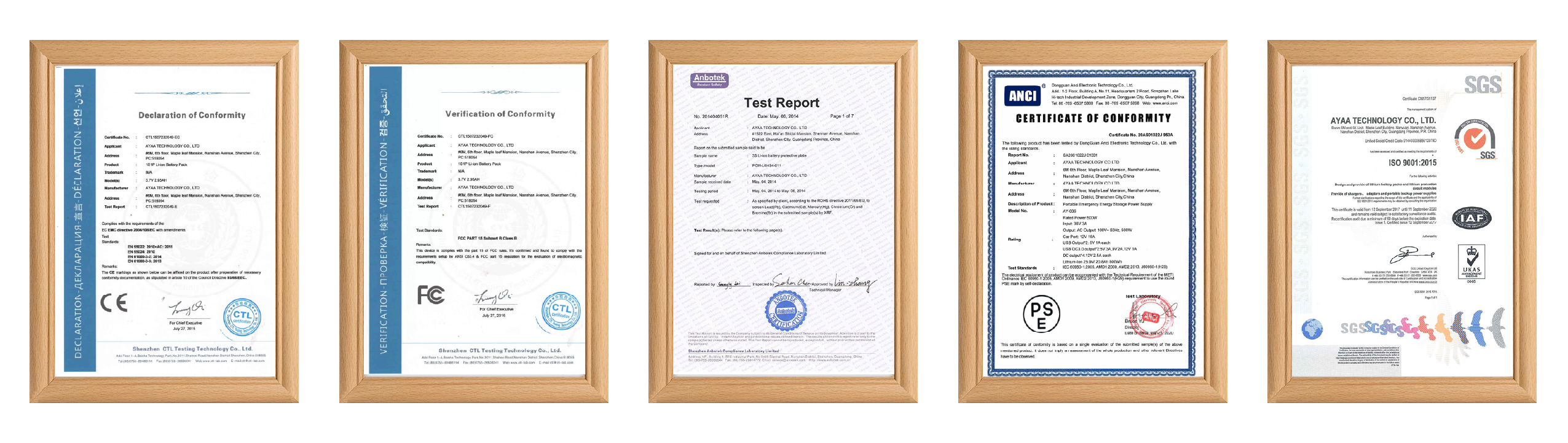
Certificazioni e conformità Ogni prodotto che vendiamo è della migliore qualità e sicurezza, poiché rispettiamo rigorosamente gli standard internazionali come CE, IEC62109, VDE e CQC.
We are your reliable partner for scalable, intelligent, high-current BMS systems, regardless of whether your company manufactures electric vehicles, supplies battery packs, or integrates systems. Your next breakthrough can be powered by us.
I nostri certificati
Domande frequenti: Q:How many amp bms for golf cart? UN: A 100A BMS can be quite beneficial for many golf carts, providing a number of benefits: Dependable Protection: The BMS’s 100A rating offers dependable defense against typical problems including overcharging, overdischarging, and overcurrent situations.
Q:How to tell what voltage a golf cart is? UN: A golf cart’s voltage can be found by lifting the seat to reveal the battery box. Next, determine how many holes there are in one battery. Given that each hole represents two volts, multiply that figure by two. Lastly, determine the overall voltage (36V or 48V) by multiplying the value by the total number of batteries in the cart.
Q:Can I put a marine battery in my golf cart? UN: Yes, golf carts can use marine batteries because deep cycle batteries are used in electric golf carts and marine batteries are also deep cycle batteries.
Q:How to wire BMS to battery pack? UN: In any case, identify the most negative wire and begin there. Attach that wire to the negative terminal of your primary battery. On the cell’s positive end, which will serve as the intersection of the first and second cell groups, place the subsequent BMS wire. Continue in this manner until the battery is completely depleted.
Q:How many amps does it take to run a golf cart? UN: Therefore, whether you have a 36-volt or 48-volt system will affect how much current travels from the batteries to the engine. Usually, 50 to 70 amps are needed to run a 36V or 48V golf cart at 15 mph.
Q:Why do my golf cart batteries run down so fast? UN: You could become trapped on the road if your battery drains too quickly due to loose connections on the terminals. Frequently, the draining problem can be resolved by just tightening the connection on your cables.