Exploring the Most Efficient way to store Energy: From Solid-State Batteries to Vehicle-to-Grid Innovations
3734
Exploring the Most Efficient way to store Energy: From Solid-State Batteries to Vehicle-to-Grid Innovations
Why Is Efficient Energy Storage Critical?
In the global push for energy transition, finding the most efficient way to store energy is pivotal to scaling renewable energy adoption. As intermittent sources like solar and wind become mainstream, efficient almacenamiento de energía technologies balance grid loads, reduce costs, and cut carbon emissions. Innovations such as high-energy-density solid-state batteries, vehicle-to-grid (V2G) systems, and non-battery solutions like compressed air and thermal storage are reshaping the energy ecosystem. AyaaTech’s intelligent communication-based Battery Management Systems (Sistema de gestión de edificios (BMS)), the rise of sodium-ion batteries, and integrated solutions like solar-storage-charging systems offer diverse options for various applications. How do these technologies balance stability, cost, and sustainability? This article explores cutting-edge topics like solid-state batteries, hybrid energy storage systems, long-duration storage, integrated solar-storage-charging, and recycling loops, revealing their role in driving a green energy future.
High-Energy-Density Solid-State Batteries: The Future of Energy Storage
What Are High-Energy-Density Solid-State Batteries?
Solid-state batteries, a breakthrough in the quest for the most efficient way to store energy, utilize solid electrolytes instead of the liquid electrolytes found in traditional lithium-ion batteries. These batteries conduct ions through solid materials, enhancing both energy density and safety. Compared to conventional batteries, solid-state designs reduce size while offering higher energy storage capacity, making them a promising solution for electric vehicles (vehículos eléctricos), renewable energy storage, and portable electronics. For instance, solid-state batteries can store more energy in a smaller footprint, enabling longer-range EVs.
Why Choose Solid-State Batteries?
The appeal of solid-state batteries lies in their superior energy density and safety, key factors in achieving the most efficient way to store energy. Liquid electrolytes are volatile and flammable, but solid electrolytes eliminate these risks, reducing the likelihood of overheating or short-circuiting. Additionally, solid-state batteries offer longer cycle life, enduring more charge-discharge cycles, making them ideal for long-term applications like grid storage or home energy systems. They also maintain performance in extreme temperatures, adapting to diverse environments. While production costs remain high, advancements are expected to lower expenses, positioning solid-state batteries as a leading storage solution.
How to Achieve Breakthroughs in Solid-State Batteries?
Developing solid-state batteries hinges on material innovation and manufacturing optimization. Key steps include:
· Material Selection: Identifying solid electrolytes like sulfides, oxides, or polymers with high conductivity and stability.
· Interface Optimization: Addressing resistance at the electrode-electrolyte interface for efficient energy transfer.
· Scalable Production: Developing cost-effective, precise manufacturing techniques to reduce barriers to commercialization.
· Testing and Validation: Conducting long-term tests to ensure durability and safety in real-world applications.
These steps require interdisciplinary collaboration across materials science, chemical engineering, and data analytics to bring solid-state batteries to market. Note that performance data serves as an observational tool, and practical applications require professional technical evaluation, not diagnostic conclusions.
The Rise of Sodium-Ion Batteries: Economic and Resource Advantages
What Are Sodium-Ion Batteries?
Sodium-ion batteries, an emerging contender in the search for the most efficient way to store energy, use sodium ions as charge carriers, similar to lithium-ion batteries but leveraging abundant sodium resources. With sodium being far more plentiful than lithium in the Earth’s crust, these batteries offer cost-effective raw material sourcing. They are ideal for large-scale storage applications, such as grid-level storage for wind and solar energy, and power systems for low-cost EVs. While their electrochemical performance is slightly lower than lithium-ion batteries, their cost-effectiveness and eco-friendliness make them a compelling alternative.
Why Are Sodium-Ion Batteries Gaining Attention?
The rise of sodium-ion batteries stems from their resource availability and economic benefits, critical to the most efficient way to store energy. Unlike lithium, sodium is abundant and inexpensive, mitigating supply chain risks and price volatility. These batteries also avoid reliance on scarce metals like cobalt or nickel, reducing environmental impact. They excel in low-temperature performance and safety, making them suitable for cold climates or high-safety applications. Although energy density is lower, advancements in electrode materials are closing the gap with lithium-ion batteries.
How Are Sodium-Ion Batteries Applied?
Implementing sodium-ion batteries requires tailored system design. Key steps include:
· Material Selection: Using hard carbon or Prussian blue materials for anodes and cathodes to enhance performance.
· System Integration: Pairing batteries with intelligent management systems to optimize charge-discharge efficiency.
· Application Customization: Designing battery modules for grid storage or low-speed EVs.
· Recycling: Developing recycling technologies to extend resource lifecycles.
These steps enable sodium-ion batteries to support renewable energy storage and affordable transportation. Performance data is an observational tool, and practical applications require professional technical guidance, not diagnostic conclusions.
Hybrid Energy Storage Systems (HESS): Integrating Multiple Technologies
What Is a Hybrid Energy Storage System?
A Hybrid Energy Storage System (HESS) combines multiple storage technologies, such as batteries, supercapacitors, and flywheels, to achieve the most efficient way to store energy. For example, lithium-ion batteries provide high energy density for long-term storage, while supercapacitors excel in rapid charge-discharge cycles for instantaneous power needs. HESS uses intelligent control systems to coordinate these components, optimizing energy allocation for applications like renewable energy integration, EV power systems, and industrial microgrids.
Why Is HESS Essential?
HESS’s strength lies in its complementary nature, addressing the limitations of single-technology systems in delivering the most efficient way to store energy. Batteries struggle with frequent high-power cycling, which shortens their lifespan, while supercapacitors lack sufficient storage capacity despite high power density. HESS integrates these strengths, improving overall efficiency and durability. It also smooths renewable energy fluctuations, enhances grid stability, and reduces operational costs, making it ideal for high-reliability scenarios.
How to Design an Efficient HESS?
Designing an efficient HESS involves:
· Needs Assessment: Defining power and energy requirements, such as peak load or storage duration.
· Technology Combination: Selecting complementary technologies, like lithium batteries paired with supercapacitors.
· Control Algorithms: Developing intelligent systems to dynamically allocate tasks among storage components.
· Performance Testing: Conducting simulations and field tests to ensure stability across conditions.
These steps enable customized HESS solutions. Performance data is an observational tool, and deployment requires professional engineering guidance, not diagnostic conclusions.
Long-Duration Energy Storage (LDES): Solving Renewable Energy Intermittency
What Is Long-Duration Energy Storage?
Long-Duration Energy Storage (LDES) systems store energy for hours to days, addressing the intermittency of renewables like wind and solar, a critical aspect of the most efficient way to store energy. Technologies include flow batteries, compressed air energy storage (CAES), and gravity storage. LDES stores surplus energy during overproduction and releases it during peak demand or low production, supporting low-carbon grids and addressing prolonged supply-demand imbalances.
Why Is LDES Critical?
The intermittency of renewables—solar halting at night, wind depending on weather—poses a major barrier to their scalability. LDES provides long-term energy reserves, ensuring grid stability and reliability, a cornerstone of the most efficient way to store energy. Compared to short-duration batteries, LDES offers lower costs and longer lifespans, ideal for large-scale, extended storage needs. It also reduces reliance on fossil fuel backups, advancing the transition to green energy.
How Does LDES Achieve Efficient Operation?
Efficient LDES requires:
· Technology Evaluation: Selecting appropriate LDES technologies, like flow batteries for long-term storage or CAES for large-scale applications.
· System Design: Optimizing capacity and efficiency for seamless grid integration.
· Environmental Adaptation: Tailoring systems to geographic and climatic conditions.
· Data Monitoring: Using intelligent systems to track efficiency and equipment status.
These steps ensure LDES supports continuous renewable energy supply. Performance data is an observational tool, and practical effects require professional evaluation, not diagnostic conclusions.
Integrated Solar-Storage-Charging Systems: Building a Self-Sustaining Ecosystem
What Is Integrated Solar-Storage-Charging?
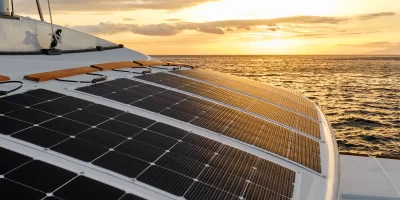
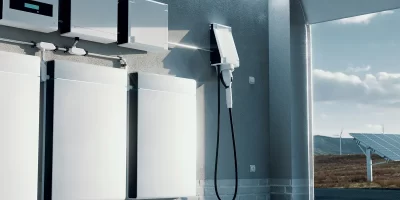
Integrated solar-storage-charging systems combine photovoltaic (PV) generation, energy storage, and EV charging infrastructure into a self-sustaining ecosystem, embodying the most efficient way to store energy. Solar panels generate electricity during the day, storing excess in batteries for nighttime or peak-demand EV charging or grid supply. These systems are ideal for homes, communities, and commercial settings, enhancing energy efficiency and reducing carbon footprints.
Why Choose Integrated Solar-Storage-Charging?
These systems excel in efficiency and sustainability, reducing reliance on traditional grids and minimizing transmission losses, a key factor in the most efficient way to store energy. They maximize renewable energy use, cutting fossil fuel dependency and aligning with global decarbonization goals. Users benefit from lower electricity costs, especially in regions with volatile prices. Their modular design allows flexible scaling for various applications.
How to Build an Integrated Solar-Storage-Charging System?
Building such a system involves:
· PV Planning: Designing PV capacity based on location and sunlight conditions.
· Storage Configuration: Selecting battery types and capacities, like lithium or sodium-ion, to match generation and demand.
· Charging Infrastructure: Deploying efficient charging stations for fast or smart EV charging.
· Intelligent Management: Integrating energy management systems to balance generation, storage, and consumption.
These steps enable self-sufficient energy systems. Performance data is an observational tool, and practical applications require professional engineering guidance, not diagnostic conclusions.
Intelligent Communication-Based BMS: AyaaTech’s Solution for Stability and Efficiency
What Is an Intelligent Communication-Based BMS?
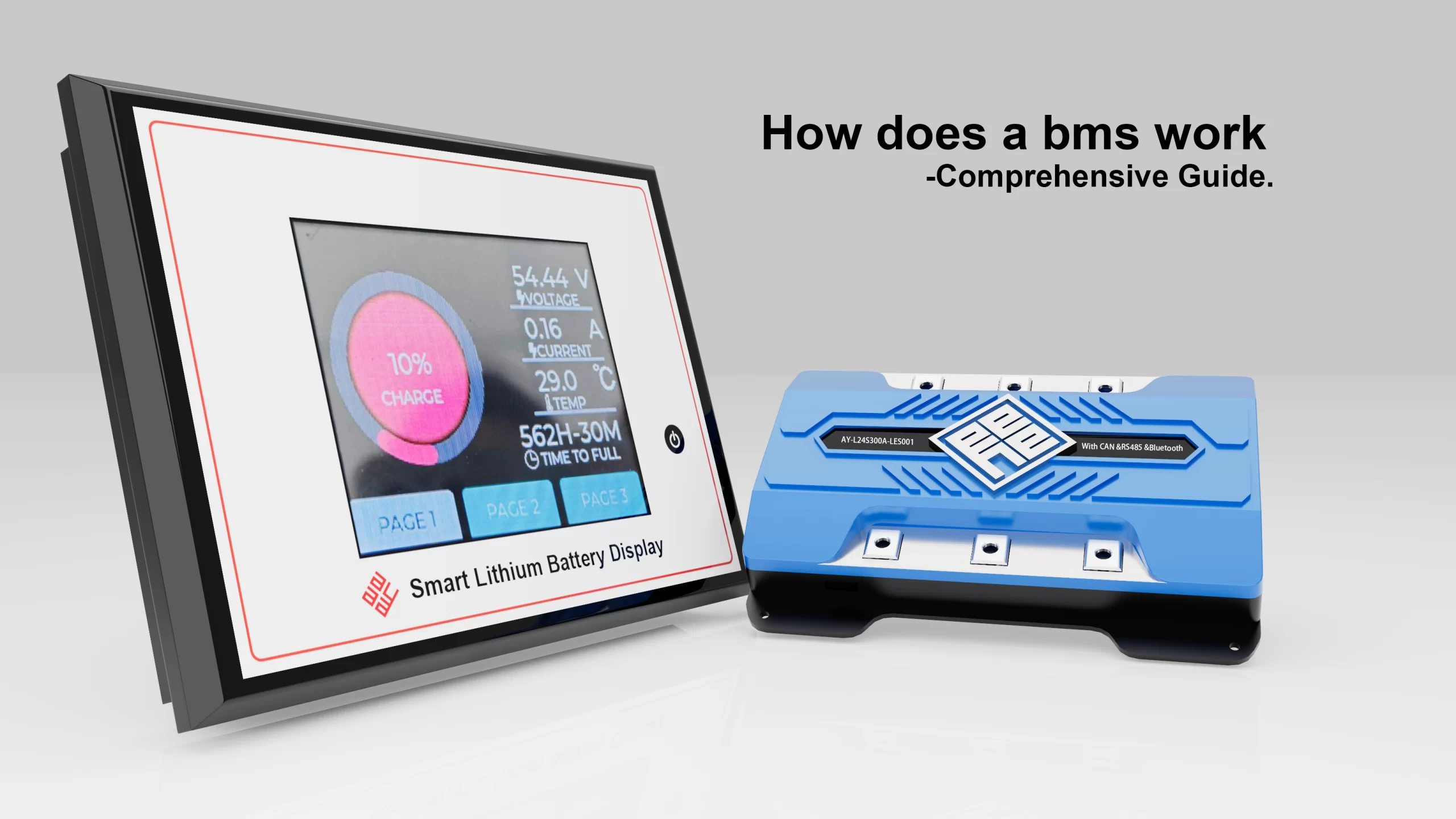
An intelligent communication-based Battery Management System (BMS) monitors and manages battery packs in real-time using advanced communication modules like CAN, RS485, Bluetooth, and 4G. AyaaTech’s BMS (e.g., PCM-L15S60-G14) supports lithium-ion, LiFePO4, and sodium-ion batteries, covering 3S to 24S packs with up to 300A working current. Equipped with high-precision 16-bit ADC chips (e.g., TI BQ76952), it achieves 1mV voltage and ±0.5°C temperature accuracy, ensuring safety and stability across applications like EVs, energy storage, and drones, while enabling real-time data analysis and remote diagnostics.
Why Choose AyaaTech’s Intelligent BMS?
AyaaTech’s BMS enhances the most efficient way to store energy through active balancing technology, reducing energy loss by 30% compared to passive balancing, and IP67/IP69K protection for durability. Its Bluetooth-enabled BMS-ES app provides real-time battery status, 3D health reports, and cloud-based remote diagnostics. The system optimizes charge-discharge strategies, adapts to extreme temperatures, and extends battery life. Certified to ISO 9001:2015, AyaaTech’s BMS meets global reliability standards.
How to Implement Intelligent BMS?
Deploying AyaaTech’s BMS involves:
· System Selection: Choosing models like PCM-L15S60-G14 for 50.4V LiFePO4 packs.
· Communication Integration: Connecting via CAN, RS485, or Bluetooth for real-time data transfer.
· Data Monitoring: Using the BMS-ES app to generate automated health reports and analyze performance trends.
· Remote Maintenance: Leveraging 4G for remote diagnostics and parameter optimization.
These steps enhance storage system stability and efficiency. Performance data is an observational tool, and practical applications require professional guidance, not diagnostic conclusions.
Lithium battery recycling involves recovering valuable materials (e.g., lithium, nickel, cobalt) from used batteries for reuse in new batteries or products, a vital component of the most efficient way to store energy. AyaaTech’s custom battery packs (e.g., LiFePO4) are designed for recyclability, with modular structures for easy disassembly. Recycling reduces resource waste, lowers production costs, and supports sustainable energy systems, applicable to EVs and home storage.
Why Prioritize Lithium Battery Recycling?
Recycling offers environmental and economic benefits, preventing heavy metal pollution and reducing reliance on mined resources. AyaaTech’s BMS extends battery life through active balancing, enabling secondary use in low-power applications like storage or backup power. Recycling aligns with global green manufacturing trends, helping companies meet environmental regulations and enhance competitiveness.
How to Achieve Efficient Lithium Battery Recycling?
Efficient recycling involves:
· Battery Collection: Establishing networks to collect and classify used batteries.
· Performance Assessment: Using AyaaTech’s BMS-ES app to evaluate battery health for secondary use.
· Material Separation: Extracting lithium, nickel, and other materials with high recovery rates.
· Remanufacturing: Reusing materials in new batteries or assembling viable packs for storage modules.
These steps maximize resource efficiency and minimize environmental impact. Performance data is an observational tool, and recycling outcomes require professional evaluation, not diagnostic conclusions.
Compressed Air and Thermal Storage: Non-Battery Alternatives
What Are Compressed Air and Thermal Storage?
Compressed Air Energy Storage (CAES) and thermal storage convert electricity into mechanical or thermal energy for storage, offering a non-battery approach to the most efficient way to store energy. CAES compresses air into underground caverns or containers, releasing it to drive turbines for power generation. Thermal storage heats media like molten salt for later use in electricity or heating. These technologies suit large-scale, long-duration storage and complement AyaaTech’s BMS for hybrid systems.
Why Choose Compressed Air and Thermal Storage?
These solutions offer low costs and long lifespans, avoiding reliance on scarce metals. CAES supports hours-to-days storage, addressing renewable energy intermittency, while thermal storage excels in heat-intensive applications. AyaaTech’s high-current BMS (e.g., PCM-L04S150-F59) enhances energy conversion efficiency, ensuring system stability.
How to Implement These Solutions?
Implementation involves:
· Site Selection: Choosing locations with suitable geology for CAES or heat demand for thermal storage.
· Intelligent Control: Using AyaaTech’s BMS to manage energy input-output and optimize efficiency.
· System Monitoring: Employing RS485 or CAN for real-time status tracking.
These steps make CAES and thermal storage viable alternatives. Performance data is an observational tool, and practical effects require professional engineering guidance, not diagnostic conclusions.
Vehicle-to-Grid (V2G): EVs as Mobile Batteries
What Is Vehicle-to-Grid?
Vehicle-to-Grid (V2G) technology enables EVs to draw power from the grid and return stored energy when needed, transforming EVs into mobile storage units and contributing to the most efficient way to store energy. AyaaTech’s high-voltage BMS (e.g., PCM-L15S60-G14, 50.4V, 60A) supports V2G through CAN and RS485 communication, ensuring safe and efficient grid interaction.
Why Is V2G a Future Trend?
V2G leverages EV battery capacity for flexible storage, balancing grid loads and reducing electricity price volatility. It enhances renewable energy utilization and offers economic benefits to EV owners by enabling energy sales during peak demand. AyaaTech’s BMS ensures stability during high-frequency cycling with active balancing and millisecond short-circuit protection, minimizing fixed storage investments.
How to Achieve Efficient V2G?
Efficient V2G requires:
· Vehicle Adaptation: Equipping EVs with bidirectional charging and AyaaTech’s BMS.
· Grid Connection: Installing bidirectional chargers synced with the grid via CAN communication.
· Intelligent Scheduling: Using BMS-ES to optimize charge-discharge strategies based on grid needs.
· Safety Management: Monitoring to prevent overcharging, discharging, or overheating.
These steps integrate EVs into smart grids. Performance data is an observational tool, and practical applications require professional evaluation, not diagnostic conclusions.
Global Market Trends: Energy Storage Landscape in 2025
What Is the 2025 Energy Storage Market Landscape?
In 2025, the global energy storage market is diverse, with China, Europe, the US, and Australia as key players. China leads with its battery manufacturing prowess (e.g., AyaaTech’s LiFePO4 and sodium-ion batteries), focusing on grid storage and EVs. Europe prioritizes green transition with flow batteries and V2G, while the US emphasizes LDES and HESS. Australia excels in solar-storage integration. AyaaTech’s products (e.g., PCM-L04S100-F49) meet diverse global needs.
Why Monitor Global Storage Trends?
Understanding trends optimizes resource allocation and market strategies. China’s cost and scale advantages dominate, but Europe and the US lead in innovation and policy support. AyaaTech’s BMS supports multiple battery types and communication protocols, enabling quick market entry and competitiveness.
How to Optimize Global Storage Strategies?
Optimization involves:
· Market Analysis: Studying regional policies, demands, and technology preferences.
· Product Adaptation: Using AyaaTech’s BMS and battery packs to meet diverse standards.
· Partnerships: Collaborating with local firms for market penetration.
· Technology Upgrades: Investing in R&D for region-specific solutions.
These steps position companies favorably in the global market. Market data is an observational tool, and investments require professional analysis, not diagnostic conclusions.
Diverse Pathways and Future Outlook for Efficient Energy Storage
Efficient energy storage is the cornerstone of scaling renewable energy. From solid-state batteries’ high energy density to sodium-ion batteries’ resource advantages and V2G’s flexibility, diverse technologies drive progress toward the most efficient way to store energy. AyaaTech’s intelligent BMS optimizes battery performance, while compressed air and thermal storage expand non-battery options. Integrated solar-storage-charging and LDES enable self-sustaining ecosystems and grid stability, and recycling loops promote green manufacturing. In 2025, China, Europe, and the US lead with distinct focuses, collectively advancing the industry. These technologies, while promising, require professional evaluation for practical results. The future of energy storage innovation will pave the way for a low-carbon society.