Charging a Batterie 48V Lithium-Ion: Time, Efficiency, and Safety Tips
3907
Charging a Batterie 48V Lithium-Ion: Time, Efficiency, and Safety Tips
As energy demands in households, industries, and mobility continue to grow, the batterie 48V lithium-ion has become a cornerstone for reliable and efficient power storage. Higher energy density, longer cycle life, and improved overall efficiency are features of lithium-ion technology that set it apart from conventional lead-acid or nickel-based batteries. Just buying a 48V lithium-ion battery, however, is insufficient; it’s also critical to comprehend how it charges, how long it lasts, and how a Battery Management System (BMS) guarantees both performance and safety.
We will explore everything you need to know about a batterie 48V lithium-ion, from its definition and advantages to charging times, applications, and maintenance.Above all, we will emphasize how BMS can increase its lifespan, reduce expenses, and enhance safety for all applications.
Part 1: What Is a 48V Lithium-Ion Battery?
A batterie 48V lithium-ion refers to a rechargeable battery pack with a nominal voltage of 48 volts, typically composed of 13 to 16 lithium-ion cells connected in series, depending on the specific chemistry (such as LiFePO₄ or NMC).
48V Meaning: The “48V” indicates the nominal voltage, which is widely adopted in electric vehicles, solar energy systems, and backup power solutions. Compared to lower-voltage batteries (12V or 24V), 48V offers higher power efficiency with reduced current loss.
Lithium-Ion Meaning: Compared to lead-acid, the lithium-ion chemistry guarantees a higher energy density and efficiency, a longer useable lifespan, and a diminished memory effect.
The 48V battery becomes more than just a storage device when paired with a BMS; it becomes an intelligent energy system that can continuously monitor temperature, voltage, and current.
Part 2: Why Choose a 48V Lithium-Ion Battery?
There are several reasons why the batterie 48V lithium-ion has become the industry standard for advanced applications:
Seguridad – When paired with a BMS, the system prevents overcharging, deep discharging, overheating, and short-circuit risks.
Longer Lifespan – A well-managed lithium-ion battery can last 2,000–5,000 cycles, compared to 500–1,000 cycles for lead-acid.
Higher Efficiency – Lithium-ion batteries typically operate at over 95% efficiency, meaning minimal energy loss during charging and discharging.
Environmental Impact – With no toxic lead or acid, lithium-ion is more environmentally friendly and recyclable.
Low Maintenance – Unlike lead-acid batteries, lithium-ion units do not require frequent water topping or equalization charging.
These advantages are increased by a correctly integrated BMS, which balances cells, cuts down on wasted energy, and increases operational stability.
Part 3: Is a 48V Lithium-Ion Battery Better than Plomo-ácido?
Comparing batterie 48V lithium-ion with traditional lead-acid solutions highlights clear advantages:
Peso: Lithium-ion is significantly lighter, making it ideal for mobile or aerial applications like drones and RVs.
Energy Density: Lithium-ion provides 2–3 times higher energy density, meaning more power in a smaller package.
Lifecycle Cost: While upfront cost is higher, the long-term savings on replacement and maintenance make lithium-ion more cost-effective.
Velocidad de carga: A lithium-ion battery can charge 3–5 times faster than lead-acid, thanks to its efficient chemistry and intelligent charging profile enabled by BMS.
Lithium-ion batteries are the industry standard for contemporary applications because of their long-term sustainability and performance.
Part 4: What Is the Price of a 48V Lithium-Ion Battery?
The cost of a batterie 48V lithium-ion varies depending on capacity, chemistry, and integrated technology:
Entry-level (small capacity, ~20Ah): $300–$500
Mid-range (50–100Ah): $600–$1,200
High-capacity industrial (200Ah+): $2,000+
It is crucial to remember that although batteries with advanced BMS integration may cost a little more, their longer service life, improved charge efficiency, and damage resistance result in a far higher long-term return on investment.
Part 5: Applications of a 48V Lithium-Ion Battery
The versatility of the batterie 48V lithium-ion makes it suitable for multiple industries:
Solar Systems – 48V storage ensures efficient DC to AC conversion, with BMS stabilizing energy flow.
Electric Vehicles (EVs) – Commonly used in e-scooters, e-bikes, golf carts, and low-speed vehicles.
Uninterruptible Power Supplies (UPS) – Provides reliable backup during grid failures.
Marine Applications – Lightweight and durable, ideal for boats and yachts.
Recreational Vehicles (vehículos recreativos) – Offers extended power without excessive weight.
Industrial Equipment – Powers forklifts, robotics, and automation systems.
The BMS guarantees that the battery performs at its best while operating within safe bounds in all applications.
Part 6: How Long Does a 48V Lithium-Ion Battery Last?
On average, a batterie 48V lithium-ion can last between 8 to 15 years, depending on:
Cycle Count – Typically 2,500–5,000 cycles with proper management.
Profundidad de descarga (DoD) – Shallow discharges extend lifespan.
Control de temperatura – Overheating reduces performance.
BMS Integration – By monitoring every cell and balancing them, the BMS can extend life by 20–30%.
Part 7: How Long Does It Take to Charge a 48V Lithium-Ion Battery?
The capacity, charger parameters, and BMS regulation all affect charging time.
Standard Charging: 4–6 hours using a properly matched 48V lithium-ion charger.
Carga rápida: 1–3 hours with a high-current charger and advanced BMS to ensure safety.
Balancing Time: Additional minutes may be required for cell balancing at the end of the cycle.
The BMS plays a crucial role in charging. It minimizes overheating, maximizes charging efficiency, and makes sure that no single cell goes above its voltage limit. Fast charging could harm the battery without BMS.
Part 8: Best-Performing 48V Lithium-Ion Batteries
The highest-performing batterie 48V lithium-ion systems share certain characteristics:
High-quality BMS integration – Active balancing systems that minimize energy loss.
Thermal management – Built-in systems to avoid overheating.
Automotive-grade components – Designed for long-term reliability.
Smart communication – CANBUS or Bluetooth-enabled BMS for real-time monitoring.
These characteristics make these batteries appropriate for high-demand settings such as industrial machinery, solar storage, and EV fleets.
Part 9: Maintenance and Care Tips
Lithium-ion batteries require little upkeep, but there are ways to prolong their lifespan:
Avoid deep discharges (keep above 20% SoC).
Use only manufacturer-approved chargers.
Store in a cool, dry environment.
Keep firmware updated if the BMS supports smart features.
Perform regular checks on BMS reports to detect anomalies early.
With these steps, your batterie 48V lithium-ion will deliver reliable service for years.
Part 10: AYAA BMS – Your Trusted Partner
A batterie 48V lithium-ion is only as good as its management system. The Sistema de gestión de baterías (BMS) ensures:
Safe charging and discharging.
Cell balancing for long-term efficiency.
Real-time monitoring of temperature, voltage, and current.
Protection against faults like overcharge, over-discharge, or short circuits.
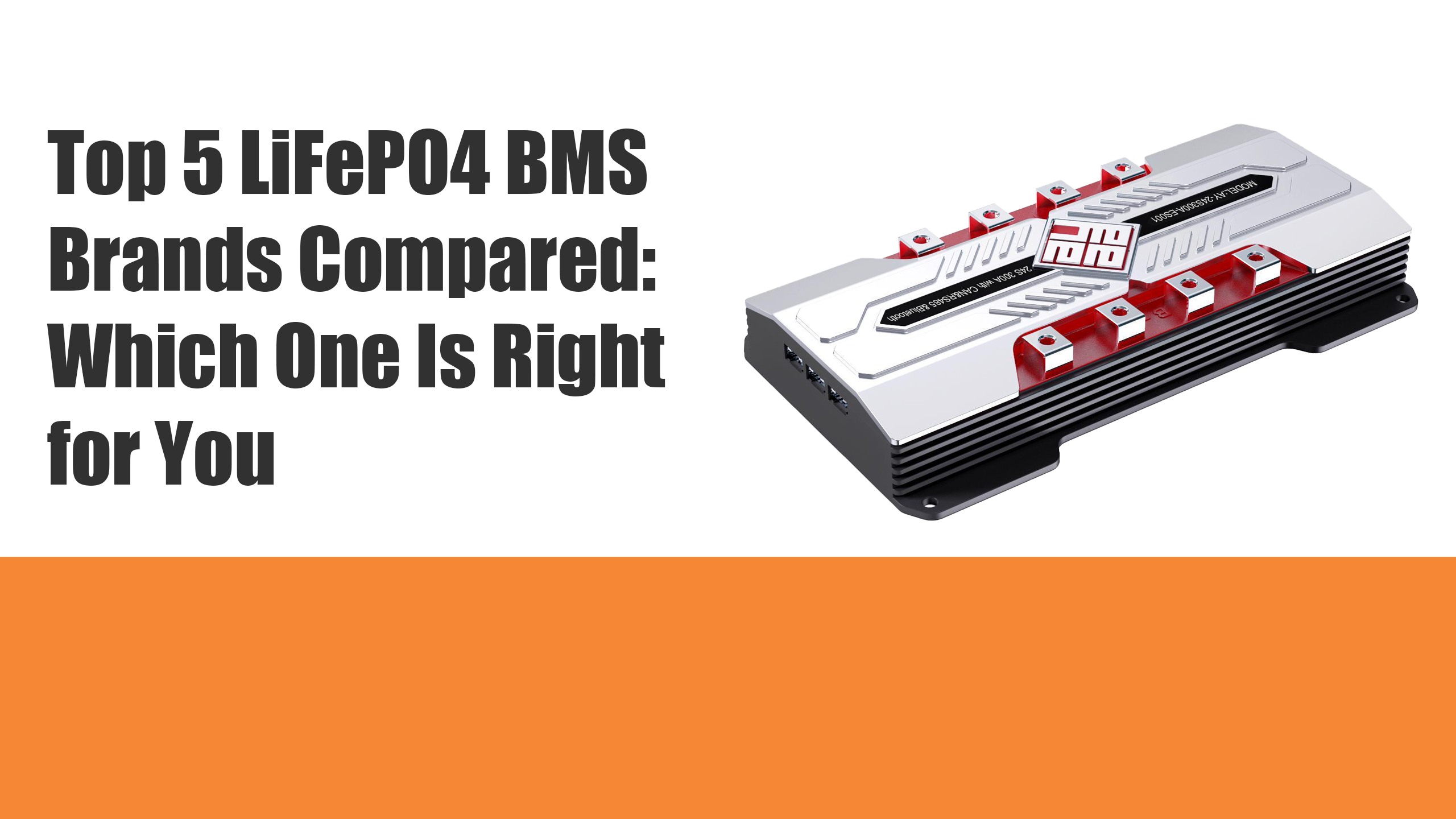
Our specialty at AYAA Technology is cutting-edge BMS solutions designed specifically for lithium-ion batteries used in backup power, industrial equipment, EVs, and solar systems. To optimize the performance of your 48V lithium-ion systems, our BMS platforms include intelligent communication features, active/passive balancing, and high-precision monitoring.
Preguntas frecuentes
Q:Is a 48V battery lithium?
A:A 48V lithium-ion battery is a rechargeable battery commonly utilized in applications such as solar energy storage, electric vehicles, and different compatible backup power systems.
Q:How long will a 48V lithium-ion battery last?
A:The lifespan of a 48V lithium-ion battery, measured in years, normally varies from 8 to 15 years when used regularly; the precise number of years depends on environmental variables, maintenance, and usage. A battery’s lifespan is also influenced by the total number of cycles it can withstand, with some batteries having a lifespan of 3,000 to 5,000 cycles or longer.
Q:How much does it cost to convert a 48V golf cart to lithium?
A:Depending on the type and quantity of the battery, if a compatible charger is required, and whether professional installation is enlisted, the cost of converting a 48V golf cart to a lithium battery system usually ranges from $1,500 to $4,000. The lithium battery, a charger designed specifically for lithium, and sometimes a battery monitor or state-of-charge meter are all included in a full kit; better brands and larger capacity batteries are more expensive.
Q:How do you charge a 48V lithium-ion battery?
A:Connect the Battery: If there is a battery switch, turn it off first. Then, make sure the connection is safe and secure by connecting the charger’s power wire to the battery’s charging line. Attach the charger: Depending on the setting, plug the charger into the proper power outlet to start the charging process.
Q:How can you tell if a battery is lithium?
A:Examine a battery’s labels, voltage, weight, and appearance to identify whether it is a lithium battery. Lithium batteries may have distinctive symbols and frequently have “Li-ion” or “Li-Po” printed on their casing or packaging. They may have a different voltage (3.6V for lithium cells, for example) and are generally lighter than lead-acid batteries of the same size. Lithium batteries can also be flat, rectangular, or cylindrical, and they can be wrapped in heat shrink or placed in a plastic pouch.
Conclusión
El batterie 48V lithium-ion represents the future of energy storage: efficient, safe, and versatile. However, even the finest battery may experience decreased performance and a shorter lifespan in the absence of a dependable BMS. Users can benefit from extended service life, faster charging times, and unparalleled safety across applications by investing in a top-notch system with intelligent BMS integration.
AYAA BMS provides the dependable knowledge and creativity needed to address the energy concerns of the future for those looking for state-of-the-art battery management for their 48V systems.