11S-15S 35,2V-48 LiFePO4-Batterieschutzplatine 70A mit RS485/RS232/CAN-App-PC-Steuerung für Golfwagen, dreirädrige Fahrzeuge, Jet-betriebene Surfboards und BMS
With a continuous current output of 70A and compatibility for systems with 11 to 15 battery cells connected in series, this BMS is perfect for small electric cars and performance boats with modest power requirements.
Product Overview • Cell Support: Compatible with lithium battery packs that are 11S to 15S and normally have a voltage range of 36V to 54V • Continuous Current: 70A rated, appropriate for daily mobility and leisure power systems • Application Scope: For low- to mid-power electric drive systems when weight, efficiency, and space are crucial, this design
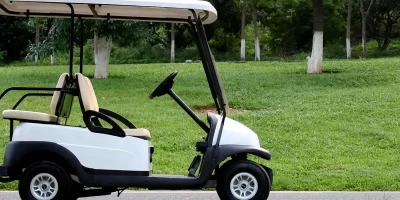
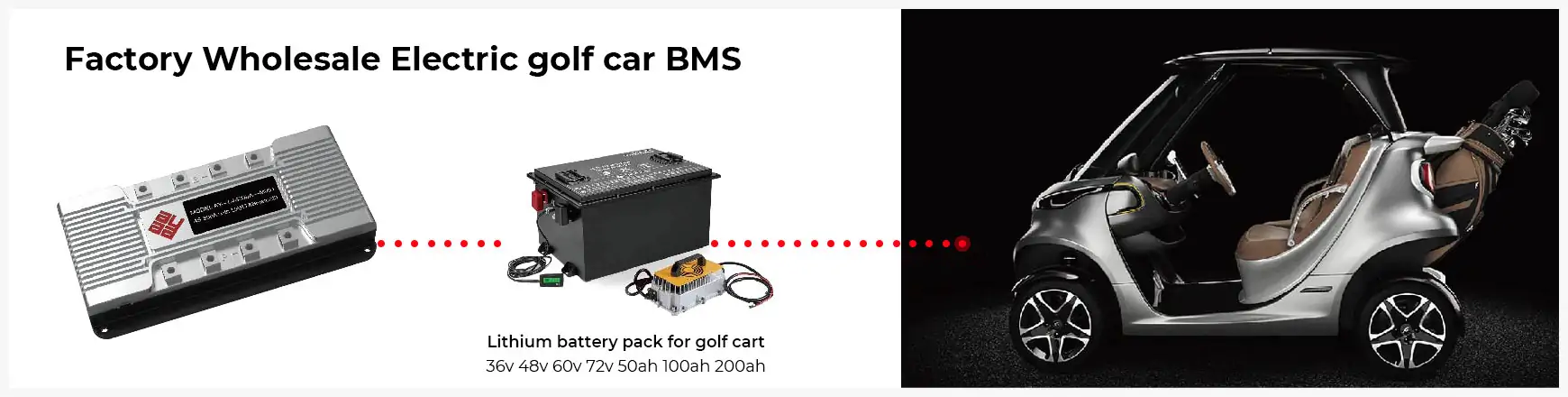
Application Scenarios • Golf Carts – Delivers energy to electric carts utilized in towns, schools, and resorts in a safe and efficient manner. • 3-Wheeled Vehicles – Guarantees consistent current output for utility or lightweight urban EVs. • Jet Powered Surfboards – Maintains system safety while providing enough burst current to drive jet propulsion for water sports.
Core Functions • Overcharge and Overdischarge Protection – Prolongs the life of batteries • Overcurrent and Short Circuit Protection – Prevents component damage or system failure. • Thermal Management Support – Permits safe operation in conditions with high or low temperatures. • Optimized for Efficiency – Strikes a balance between battery protection and performance in small installations. • Designed for Mobility & Action Sports – Designed to function well in demanding, movement-intensive settings
Why Choose the 11S–15S 70A BMS? • Perfect for 36V–54V battery systems that need a continuous current of up to 70A • Light electric cars and portable, highly efficient electric surfboards are a perfect combination. • supports the essential protection features required for longevity and safety. • A portable, dependable option for daily and leisure e-mobility systems
Warum Sie sich für uns entscheiden sollten Mehr als 20 Jahre Branchenerfahrung With over 20 years of experience in battery management and power solutions, we are the most qualified to comprehend the needs of the evolving electric vehicle and energy storage markets.
Innovative F&E-Kapazitäten From integrated software platforms to ingenious BMS design, our dedicated R&D team never stops pushing the boundaries of technology to provide smarter, safer, and more effective products to the market.
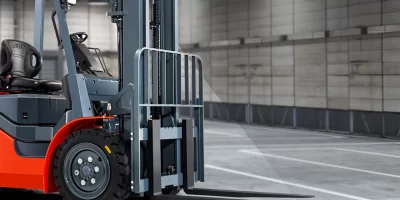
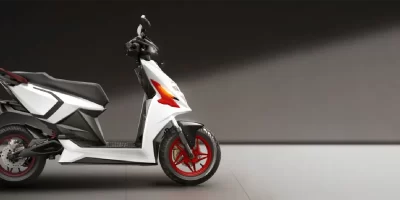
Bewährte Produktzuverlässigkeit Our BMS and power solutions undergo extensive testing in challenging conditions to ensure longevity, stability, and optimal performance in real-world applications such as motorbikes, golf carts, forklifts, and energy storage systems.
Anpassungs- und OEM/ODM-Dienstleistungen We offer a wide range of customization choices that address form factors, wireless modules, communication protocols, and battery types to meet your specific needs.
Umfassender technischer Support From pre-sales advice to after-sales servicing, our technical expertise is available 24/7 to help you with setup, integration, and troubleshooting.
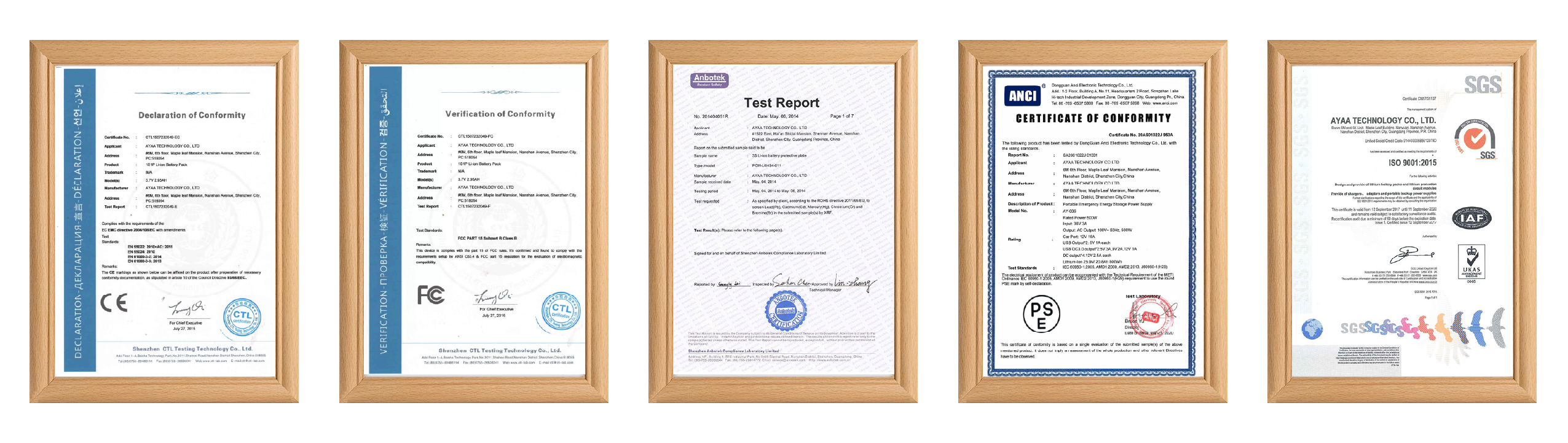
Zertifizierungen und Konformität Because we fully adhere to international standards such as CE, IEC62109, VDE, and CQC, every product we sell is of the highest quality and safety.
Whether your business is a system integrator, an electric car manufacturer, or a supplier of battery packs, we are your trustworthy partner for scalable, intelligent, high-current BMS systems. We can power your next breakthrough.
Häufig gestellte Fragen: Q:What is 16S in BMS? A: With a nominal voltage of 60V, the 16S configuration may accommodate up to 10 cells in series. Rated Discharge Current: Capable of handling a 40A (1C) continuous discharge. Over-Discharge Protection: Prevents battery damage by cutting off at 44V. Charging Voltage: 67.2 V is the maximum charging voltage for best results.
Q:Which is better, Li-ion or LiFePO4? A: With a longer lifespan and better thermal stability, LiFePO4 is safer than lithium-ion and is therefore perfect for extended usage. Although lithium-ion may be less expensive at first and require less maintenance, there are concerns associated with its propensity to overheat.
Q:Can I run a lithium battery without BMS? A: Its purpose is to prevent the battery from failing catastrophically. For routine charge/discharge procedures, it cannot be relied upon. This is what the SCC is for. A well-balanced lithium-ion battery could certainly be used without a BMS, but doing so is not encouraged and is not seen as safe.
Q:Why is LiFePO4 so cheap? A: Cutting production costs: Some unidentified or fake brands use inferior materials, which results in batteries that are overly inexpensive. The safety and power capacity of batteries are directly impacted by the quality of the materials used in them.
Q:Is there a better battery than LiFePO4? A: Energy density: Lithium-ion batteries can store more energy in a given volume than LiFePO4 batteries because of their higher energy density. They are therefore better suited for usage in lighter, more compact EVs.
Q:How to wake up BMS on a lithium battery? A: Using a specialist lithium charger with a “wake-up” or “boost” mode, or connecting it to a charged battery to jump-start it, are two ways to activate a lithium battery’s BMS (Battery Management System). If none of those work, the BMS can be reset by unplugging the battery from all loads and chargers for ten to fifteen minutes.