Why a LiPo Battery for Drone Is the Power Solution Behind UAV
1139
Why a LiPo Battery for Drone Is the Power Solution Behind UAV
Energy storage continues to be a fundamental constraint as unmanned aerial vehicles transform from recreational devices into vital instruments for industry, logistics, agriculture, surveying, and emergency response.
Power delivery and storage efficiency affects responsiveness, safety, flight duration, and cargo capacity.
In this regard, the most popular power source for high-performance БПЛА systems is the lipo battery for drone.
Lithium polymer chemistry, in contrast to conventional battery technologies, offers a special combination of adjustable form factors, high discharge capacity, and lightweight construction.
But camaraderie isn’t the only factor contributing to the real performance boost.
A closer examination of how lithium polymer batteries function, what benefits they offer, and how BMS technology raises their worth much above simple energy storage is necessary to comprehend why they dominate the UAV market.
What Are Drone Lithium Polymer Batteries and How Do They Work?
Rechargeable energy storage systems called drone lithium polymer batteries substitute a polymer electrolyte for the liquid electrolyte used in conventional lithium-ion cells.
The battery can be packaged in tiny, lightweight, and adjustable designs that fit neatly into small drone frames because to this structural difference.
Lithium ions travel between the cathode and anode during cycles of charge and discharge at the electrochemical level.
The capacity of polymer cells to sustain extraordinarily high discharge rates without appreciable voltage sag is what sets them apart.
Drones, which require abrupt power spikes after takeoff, aggressive maneuvers, and quick altitude changes, require this capacity.
For this reason, a lipo battery for drone serves as both a power source and a facilitator of performance.
It enables the most efficient operation of motors, ESCs, and flight controls while preserving steady voltage under dynamic load circumstances.
Why Are Drone Lithium Polymer Batteries So Crucial to UAV Performance?
Contemporary UAV platforms function in conditions that require uninterrupted power delivery, precise control, and quick reaction times.
Lithium polymer batteries fulfill these criteria in a number of crucial ways.
Longer flying periods are made possible by their high energy density without adding undue weight.
They can handle huge payloads and strong motors because of their high current output.
Additionally, they keep voltage stable, which has a direct impact on motor synchronization and flight controller precision.
A lipo battery for drone serves as the basis for the complete propulsion and control system when combined with cutting-edge electronics.
High-performance UAVs simply cannot attain the agility, stamina, or dependability required in professional applications without it.
How Do Drone Lithium Polymer Batteries Achieve Efficient Operation?
Energy storage is only one aspect of drone power system efficiency.
It concerns the efficiency with which that energy is supplied, tracked, and safeguarded along the flight cycle.
High C-rates are naturally supported by lithium polymer batteries, enabling rapid energy release when needed.
Because of its low internal resistance, less heat is produced, increasing system efficiency.
Mid-flight instability is less likely thanks to their flat discharge curve, which guarantees steady voltage output.
But only when battery behavior is actively controlled can genuine efficiency be achieved.
This is where sophisticated electronics come into play, turning a lipo battery for drone into a smart energy system that can adjust to the flight conditions in real time.
Why Is a Smart BMS a Key Component of Drone Lithium Polymer Batteries?
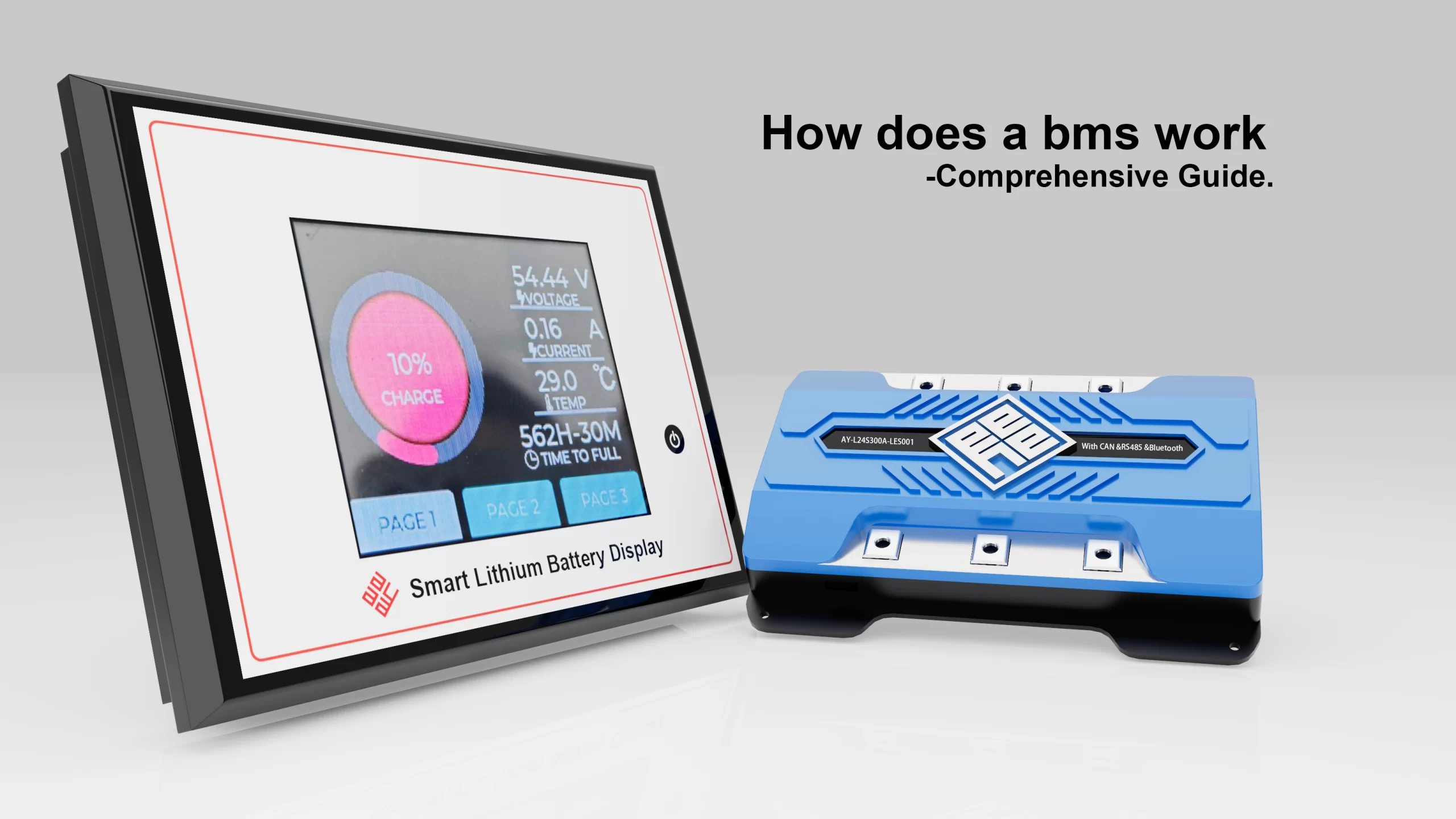
The control hub for contemporary drone batteries is a battery management system.
At the cell and pack levels, it continuously checks the voltage, current, temperature, and status of charge.
Lithium polymer batteries depend on external chargers and human supervision in the absence of a BMS, which greatly raises operational risk.
The BMS carries out a number of mission-critical tasks in high-performance UAV systems.
It prevents uneven aging by balancing individual cells.
It guards against short circuits, overcharging, overdischarging, and overcurrent.
In harsh situations, it keeps an eye on the temperature to stop runaway reactions.
When properly integrated, the BMS enables a lipo battery for drone to function closer to its ideal limits without sacrificing safety.
Longer service life, more usable capacity, and consistent performance across thousands of flight cycles are the primary results of this.
What Makes a LiPo Battery for Drone Different from Other Lithium Battery Types?
Although lithium-ion batteries are frequently used in consumer gadgets and electric cars, their properties make them unsuitable for use in aerial platforms.
In a number of drone-specific applications, lithium polymer batteries perform better than them.
They reduce takeoff weight and increase flight efficiency because they are lighter for the same power output.
They enable much larger discharge rates, which are necessary for quick acceleration and cargo lifting.
They can be produced in unique shapes that optimize the use of internal space in drone frames.
A lipo battery for drone provides unparalleled versatility in terms of system design.
It replaces generic energy storage as the recommended option for UAV manufacturers looking to optimize performance when paired with smart BMS architecture.
How Does BMS Technology Improve Flight Safety and Reliability?
Professional UAV operations involve safety, which cannot be compromised.
Battery malfunctions may cause personal injury, equipment damage, or mission failure.
Intelligent BMS technology significantly lowers these hazards.
Through ongoing battery parameter analysis, the BMS can identify abnormalities before they become failures.
When temperatures reach over safe standards, it may restrict output.
It can initiate controlled shutdowns in order to avert catastrophic harm.
In order to help the flight controller make well-informed decisions while in flight, it can also transmit battery health data.
The role of BMS becomes even more crucial when drones become more autonomous and operate outside the visual line of sight.
Without intelligent management, a lipo battery for drone is becoming more and more incompatible with contemporary safety and legal requirements.
What Is the Value Analysis of Drone Lithium Polymer Batteries?
From a business perspective, value is determined by overall lifecycle performance as well as initial cost.
When considered from a variety of angles, lithium polymer batteries provide outstanding value.
They have a high useable capacity, which means there is more energy accessible for each cycle of charging.
They facilitate quicker charging, which minimizes downtime in between operations.
When correctly regulated by a BMS, they sustain consistent performance across hundreds of cycles.
This results in fewer replacements, cheaper maintenance expenses, and more reliable operational planning for fleet managers.
Purchasing a lipo battery for drone with integrated smart management offers long-term financial benefits that greatly exceed the initial cost considerations.
What Are the Core Advantages of Drone Lithium Polymer Batteries?
Lithium polymer technology’s supremacy in UAV systems is fueled by both practical and technical advantages.
Both flying length and payload efficiency are increased by lightweight construction.
Heavy lifting and aggressive flight characteristics are supported by high discharge capabilities.
Stable voltage output lowers electronic stress and improves control precision.
Optimized drone design is made possible by flexible packing.
A lipo battery for drone transforms from a consumable part into a strategic asset that determines system dependability and competitiveness in the market when it is improved with BMS intelligence.
What Are the Economic and Environmental Benefits of Drone Lithium Polymer Batteries?
Lithium polymer batteries support more general economic and environmental objectives in addition to their performance.
Waste and resource consumption are decreased by their extended cycle life.
Energy losses during charging and operation are reduced by their great efficiency.
By eliminating excessive consumption patterns, smart BMS systems increase longevity.
These elements boost revenue for commercial drone operators while supporting sustainability objectives.
Lipo battery for drone that provide reliable performance over many years of use promote both corporate scalability and environmental responsibility.
What Are the Latest Developments and Future Trends in Drone Lithium Polymer Batteries?
At the nexus of digital intelligence and materials science lies the future of UAV power systems.
Energy density and thermal stability are rising due to developments in electrode chemistry.
Predictive analytics, wireless communication, and cloud-based fleet monitoring are the next developments in BMS technology.
Adaptive charging methods, AI-powered health monitoring, and closer integration between flight control software and battery systems are examples of emerging developments.
The lipo battery for drone is now an active participant in system optimization rather than a passive part.
The next phase of UAV innovation will be led by manufacturers who invest in cutting-edge BMS development, producing aerial platforms that are safer, smarter, and more effective.
Why the LiPo Battery for Drone Defines the Future of Intelligent UAV Power Systems
Lithium polymer batteries have established themselves as the foundation of contemporary UAV technology due to its lightweight design, high discharge performance, operational safety, and long-term value.
They enable levels of control, dependability, and efficiency that are unmatched by other technologies when combined with sophisticated battery management systems.
Intelligent power solutions will become a key differentiator as drone applications continue to grow into demanding professional and industrial settings.
By concentrating on BMS-centric battery design, businesses like Ayaa Technology are spearheading this transformation and guaranteeing that each lithium polymer battery provides not only power but also intelligent, reliable energy for the future of unmanned flight.
Часто задаваемые вопросы
Q1:Do drones use LiPo batteries?
A1:Lithium Polymer (LiPo) or Lithium-Ion (Li-ion) chemistry is commonly used in drone batteries.
These chemistries are picked because they have a high energy density, are lightweight, and can quickly discharge without causing damage to the battery.
Q2:What is the 80% rule for LiPo batteries?
A2:For LiPo batteries, the 80% rule is a guideline to avoid charging to 100% and discharging below 20% (or 80% used) in order to significantly extend battery lifespan by reducing chemical stress, heat, and degradation at voltage extremes, improving safety and consistency.
For maximum longevity, the 40-80 rule (staying between 40-80% for daily use) is a common recommendation.
Q3:How long does a 5000mAh LiPo battery last?
A3:Depending largely on the device’s power draw (mAh draw), application (racing vs. bashing), and efficiency, a 5000mAh LiPo battery can last anywhere from 10-15 minutes of hard use in an RC car to 1-2 days in a moderate-use mobile device.
A moderate phone user lasts longer than an RC racer since, generally speaking, you’ll get more runtime with lower current demand.
Q4:What is better, LiPo or li ion?
A4:Both lithium-ion (Li-ion) and lithium-polymer (Li-Po) are variations of the same technology.
Li-ion (cylindrical cells) offers higher energy density and lower cost for general use like EVs, while Li-Po (pouch cells) excels in lightweight, flexible, custom shapes for drones, wearables, and slim devices due to better energy-to-weight ratio, though they can be more expensive and less durable over extreme cycles.
Your decision is based on the requirements of the device: Li-Po for form factor/weight and Li-ion for power/cost.
Q5:How long does a 5000mah LiPo take to charge?
A5:About 45 minutes after the battery is completely depleted (3.7 volts per cell).
It can be charged quite quickly at 5 amps, but I prefer to charge mine at 2.5 amps because it is less taxing on the battery and takes about 1 1/2 hours to reach full discharge.