Why Solid State Batteries on Drones Are Revolutionizing UAV Performance
702
Why Solid State Batteries on Drones Are Revolutionizing UAV Performance
The use of unmanned aerial vehicles (UAVs) has grown significantly in recent years, with applications ranging from advanced aerial maneuvers to commercial delivery, industrial inspections, and firefighting.
The battery technology that drives these drones is essential to this development.
Solid state batteries on drones are emerging as the next-generation solution, offering improved energy density, enhanced safety, and longer cycle life compared to traditional lithium-polymer (LiPo) or lithium-ion batteries.
What Are Solid State Batteries on Drones?
Solid state batteries (SSBs) use a solid electrolyte in place of the liquid or gel electrolyte used in traditional lithium-ion and LiPo batteries.
This invention lowers the dangers associated with conventional batteries, such as dendritic development, thermal runaway, and leakage.
This translates into increased safety, longer flight times, and the capacity to function in harsher environments for drones.
Solid-state batteries, in contrast to conventional battery chemistries, retain structural stability even after numerous charge-discharge cycles, which extends their service life—a crucial component for UAV operations that demand steady performance over long stretches of time.
What Are the Main Types of Drone Batteries?
Drones typically use three main types of batteries:
LiPo Batteries – Lightweight with high discharge rates; widely used in hobbyist and racing drones but prone to safety risks.
Li-ion Batteries – Longer life and better energy density than LiPo but heavier and slower to discharge, limiting high-performance UAV applications.
Solid State Batteries – High energy density, enhanced safety, and better thermal tolerance; ideal for industrial, commercial, and advanced UAV operations.
Question:Why should UAV operators consider solid-state batteries over LiPo or Li-ion?
Answer: Particularly for high-stakes or extended missions, solid-state batteries provide a blend of safety, performance, and cycle life that neither LiPo nor Li-ion can fully deliver.
Why We Need Solid State Batteries on Drones
Despite their widespread use, LiPo batteries have inherent limitations:
Limited flight time due to lower energy density.
Safety risks, including potential fires from overcharging or short-circuiting.
Thermal sensitivity, leading to degraded performance in hot or cold environments.
Slow charging rates, which reduce operational efficiency for commercial UAV fleets.
By adopting solid-state battery technology, drone manufacturers and operators can overcome these limitations, enabling longer, safer, and more efficient flights.
Solid State vs Li-ion Drone Batteries: Key Differences
Recurso
Li-ion Battery
Solid State Battery
Advantage
Electrolyte
Liquid
Solid
Safety & stability
Densidade de energia
Moderado
Alto
Longer flight times
Segurança
Risk of thermal runaway
Reduced risk
Safer operations
Ciclo de vida
500–1000 cycles
1000–2000+ cycles
Extended longevity
Velocidade de carregamento
Moderado
Fast potential
Quick turnarounds
Temperature Range
Sensitive
Wider range
Adaptable in extreme environments
Cost
Lower
Higher
Cost offset by performance
Application Suitability
Hobby / Light drones
Commercial / Industrial drones
Optimized performance
Question:How does a solid-state battery outperform traditional Li-ion or LiPo?
Answer: The solid electrolyte allows higher energy density and safety while reducing degradation, which is crucial for heavy-duty UAV missions.
How Does BMS Work in Solid State Drone Batteries?
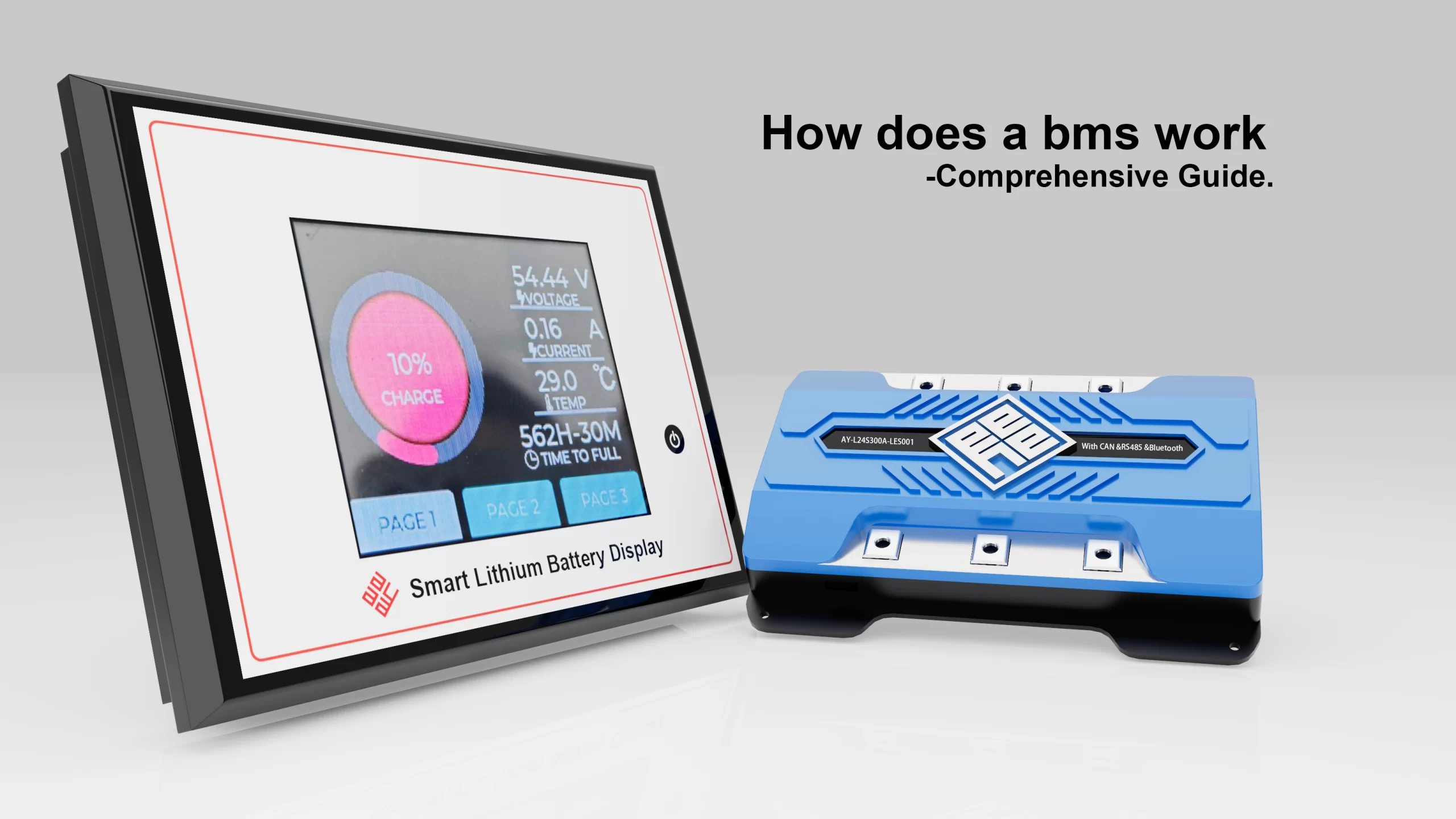
A Battery Management System (BMS) is essential for monitoring, protecting, and optimizing solid-state UAV batteries. Core functions include:
Equilíbrio Celular – Ensures uniform voltage across battery cells, maximizing usable capacity.
Charge Control – Regulates charge and discharge currents to prevent overcharging or deep discharging.
Health Monitoring (SOH & SOC) – Tracks the state of health and state of charge of individual cells, alerting operators to potential issues.
Gestão Térmica – Monitors temperature and activates safety measures if cells overheat.
Safety Protections – Shields the battery from overvoltage, undervoltage, and short circuits.
Question:Why is BMS critical for solid-state batteries on drones?
Answer: Solid-state batteries, while safer than LiPo, still require precise monitoring to maintain performance, extend lifespan, and ensure operational safety.
Which Drone Applications Benefit Most from Solid State Batteries?
Firefighting and Search & Rescue Drones – Enhanced safety and longer endurance in hazardous conditions.
Industrial Inspection Drones – Continuous high-power output supports long inspections of infrastructure.
Advanced Aerial Maneuvers – High discharge capability and energy density enhance agility and speed.
Question:Can hobby drones benefit from solid-state batteries?
Answer: While feasible, the current cost of solid-state batteries makes them more suitable for professional UAV applications where performance and safety are critical.
Factors Affecting solid state batteries on drones Lifespan
Several factors determine how long a solid-state UAV battery will last:
Capacidade – Higher capacity batteries typically sustain longer flight times but may require more robust BMS monitoring.
Flight Duration – Frequent deep discharges can accelerate degradation.
Temperature – Extreme heat or cold can impact performance; thermal management is essential.
Peso – Heavy payloads increase current draw, affecting battery cycles.
Question:How can operators maximize battery life?
Answer: Avoid extreme temperatures, prevent overcharging, store batteries correctly, and maintain consistent flight cycles with BMS oversight.
How to Maximize solid state batteries on drones Endurance
Avoid Extreme Temperatures – Keep batteries within the recommended thermal range.
Prevent Overcharging – Use BMS and proper charging protocols.
Store Batteries Correctly – Maintain optimal charge levels and store in dry, cool environments.
Avoid High-Altitude Overexertion – Reduce excessive current draw caused by extreme flight maneuvers.
Question:Does BMS play a role in endurance?
Answer: Yes, a properly configured BMS actively balances cells and protects against unsafe charging or discharging conditions, extending operational life.
Why Solid State Batteries on Drones Are Transforming UAV Technology
Compared to conventional lithium-polymer or lithium-ion systems, solid-state batteries offer greater energy density, improved safety, longer cycle life, and faster charging capabilities, which are revolutionizing UAV performance.
By safeguarding individual cells, preserving ideal operating conditions, and increasing battery longevity, integrating a strong BMS guarantees that these benefits are fully realized.
Solid-state batteries offer a dependable and high-performing power source that overcomes the drawbacks of traditional battery technology for uses in commercial delivery, firefighting, industrial inspection, and sophisticated aerial operations.
Longer flight durations, safer operations, and reduced long-term expenses are anticipated by operators who use solid-state UAV batteries with intelligent BMS integration.
Ayaa Technology offers cutting-edge solid-state UAV battery solutions that combine premium cells with clever BMS systems to guarantee performance, endurance, and safety for professional drone applications across the globe.
Perguntas frequentes
Q1:What are solid-state batteries for drones?
A1:A solid state drone battery is a sophisticated kind of rechargeable battery intended for drones that substitutes a solid electrolyte—typically composed of ceramic, glass, or polymer materials—for the conventional liquid electrolyte.
Q2:What kind of batteries do military drones use?
A2:Lithium-ion batteries are used in the majority of small military drones due to their better density and operational durations.
For single-use “kamikaze” drones carrying explosive payloads, these batteries might be disposable.
Rechargeable batteries are typically found in longer-lasting drones used for prolonged observation.
Q3:Are solid-state batteries being used?
A3:Interest in the technology was rekindled by developments in the late 20th and early 21st centuries, particularly in relation to electric vehicles.
The market for solid-state batteries has not yet reached commercialization or scalability as of 2026.
Q4:What is the lifespan of a solid state battery?
A4:With predictions of 5,000 to over 10,000 charge cycles as opposed to the usual 1,000–3,000, solid-state batteries promise a much longer lifespan than traditional lithium-ion batteries.
Because of its stable solid electrolyte, they minimize deterioration and improve safety, allowing for quicker and more effective charging.
They are also made to maintain 90% capacity for up to 40 years.
Q5:How soon will we have solid-state batteries?
A5:In restricted, high-end applications, solid-state batteries (SSBs) for electric cars are anticipated to hit the market between 2026 and 2028; mass-market, large-scale availability is anticipated after 2030.
The first commercial launches by major manufacturers like Toyota, BYD, and Nissan are planned for 2027–2028, with 2026 being a crucial year for small-batch validation and prototype testing.