Lithium Batteries in Modern Technology: From Core Design to Performance Enhancement
1530
Lithium Batteries in Modern Technology: From Core Design to Performance Enhancement
Modern technology now relies heavily on lithium batteries, which power everything from electric cars and renewable energy storage systems to portable electronics.
Their high energy density, rechargeability, and efficiency are the main reasons for their extensive use.
To maximize performance and guarantee safety, engineers, designers, and technological decision-makers must have a thorough understanding of lithium batteries’ components, benefits, and maintenance needs.
What Are Lithium Batteries?
Lithium ions are the main electrochemical component of lithium batteries, a form of rechargeable battery.
Lithium batteries are a lightweight, high-energy-density technology that stores energy differently than conventional lead-acid or nickel-based batteries.
Long cycle life, low self-discharge rates, and a wide range of uses—from laptops and smartphones to electric vehicles and massive energy storage systems—make these batteries highly prized.
Because lithium batteries perform better and are better for the environment than traditional battery chemistries, their use has increased quickly.
Components of Lithium Batteries
Designing, maintaining, and optimizing lithium batteries requires an understanding of its fundamental components.
Important elements consist of:
Anode: The anode, which is usually composed of graphite, stores lithium ions while they are being charged.
During discharge, it returns lithium ions to the electrolyte.
Cathode: As part of the electrochemical reaction, the cathode, which is composed of lithium metal oxides such lithium cobalt oxide (LiCoO₂) or lithium iron phosphate (LiFePO₄), stores and releases lithium ions.
Electrolyte: the conduit that transports lithium ions from the anode to the cathode.
Electrolytes are essential for battery safety and efficiency and can be liquid, gel, or solid-state.
Current Collector: Electrons are transferred from the electrodes to the external circuit by thin metal layers (copper for the anode and aluminum for the cathode).
Separator: Lithium ions can flow across a porous membrane that keeps the anode and cathode from coming into direct contact.
Every component is essential to the battery’s longevity, safety, and efficiency, and performance optimization depends on the materials chosen for each component.
How Lithium Batteries Work
The flow of lithium ions between the anode and cathode during cycles of charging and discharging is the foundation of how lithium batteries operate.
Charging: The electrolyte transports lithium ions from the cathode to the anode, where they are stored.
Energy storage is made possible by the movement of electrons through the external circuit.
Discharging: In order to power devices, lithium ions flow back from the anode to the cathode, creating an electron flow in the external circuit.
Depending on the chemistry and usage circumstances, lithium batteries can be recharged hundreds or thousands of times thanks to this reversible ion movement.
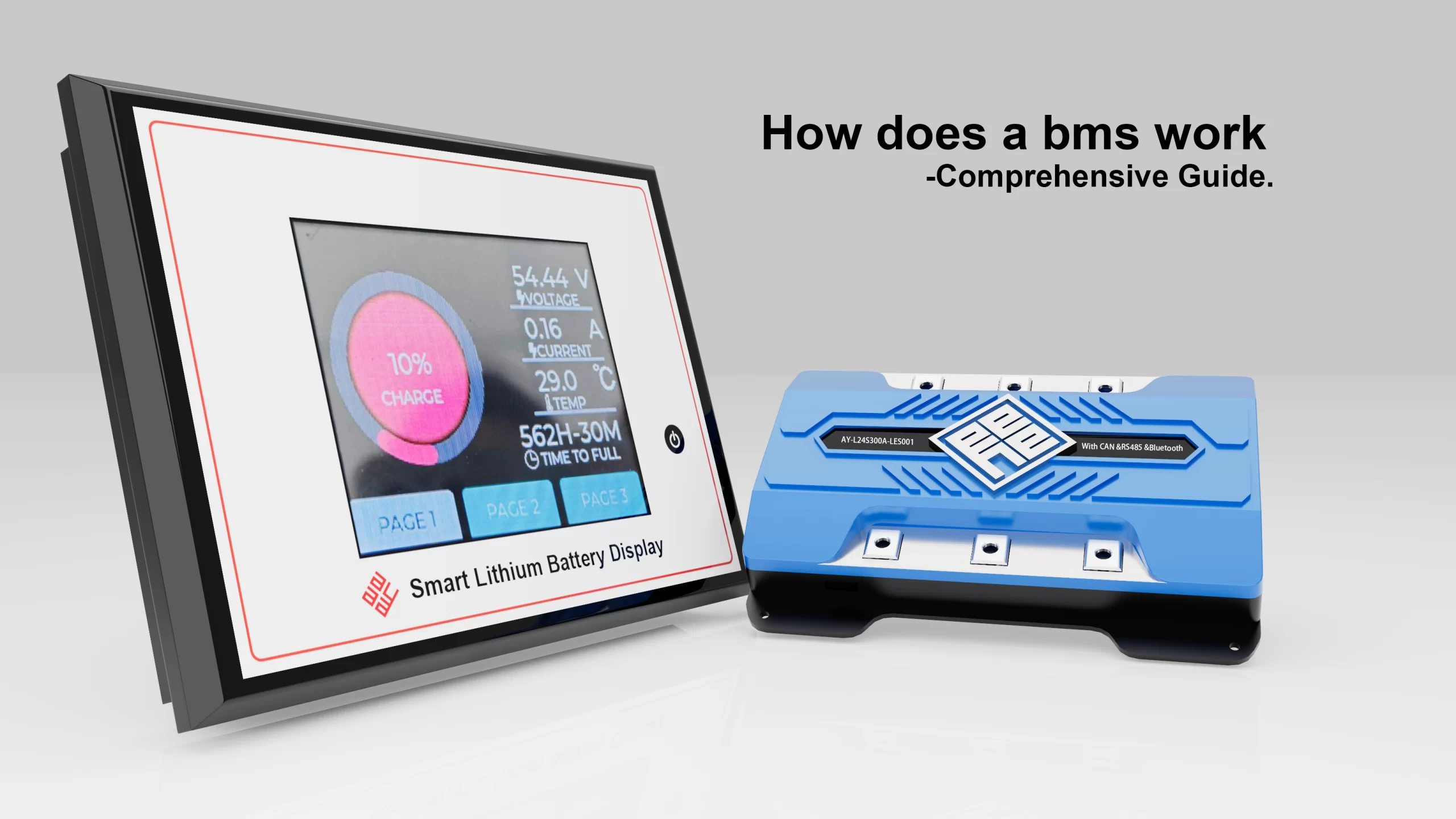
Using a Battery Management System (BMS) to carefully control temperature, voltage, and current improves the process’s efficiency.
Advantages of Lithium Batteries
Compared to other battery chemistries, lithium batteries provide a number of benefits:
High Energy Density: They store more energy per unit of weight and volume, making them ideal for portable devices and electric vehicles.
Rechargeable: Lithium batteries can undergo hundreds to thousands of charge-discharge cycles, significantly reducing replacement costs.
Low Self-Discharge Rate: They retain charge for extended periods when not in use.
No Memory Effect: Lithium batteries do not suffer from reduced capacity due to partial charging cycles.
Versatile Applications: Suitable for portable electronics, automotive, renewable energy storage, and medical devices.
Fast Charging: Advanced lithium batteries can charge more quickly than lead-acid or nickel-based alternatives.
Because of these benefits, lithium batteries are the recommended option for both industrial and consumer electronics applications.
Types of Lithium Batteries
Different lithium battery chemistries, each with unique advantages and disadvantages, are designed for different uses.
The application requirements, safety concerns, and financial limitations all play a role in choosing the best lithium battery chemistry.
Maintenance of Lithium Batteries
Long-term performance and safety are guaranteed by proper lithium batteries maintenance:
Avoid Extreme Temperatures: Both high and low temperatures can degrade battery performance.
Control Charge Cycles: Avoid overcharging or deep discharging. Using a BMS helps manage these parameters automatically.
Use Compatible Chargers: Always use chargers designed for the specific lithium chemistry.
Regular Monitoring: Keep track of battery voltage, current, and temperature.
Storage: Store batteries at 40–60% charge if unused for long periods to preserve capacity.
For automatic monitoring and protection that helps avoid overheating, overvoltage, and cell imbalance, integrating a Battery Management System (BMS) is essential.
Integration with BMS for Enhanced Performance
A battery management system, or BMS, is necessary to optimize lithium batteries for lifespan and performance.
Among the primary duties are:
Monitoring: Tracks voltage, current, temperature, and state of charge (SoC) for each cell.
Protection: Prevents overcharge, over-discharge, overcurrent, and thermal events.
Cell Balancing: Ensures all cells maintain similar charge levels, preventing early degradation.
Communication: Provides diagnostic data and allows integration with external systems for energy management.
Higher efficiency, longer life, and safer operation are all achieved by batteries with a properly set lithium BMS, especially in high-demand applications like renewable energy storage and electric vehicles.
Maximizing Lithium Battery Performance
Because of their high energy density, rechargeability, and adaptability, lithium batteries are revolutionizing technology in a number of industries.
Engineers and designers can maximize applications for lifetime and efficiency by comprehending their types, components, and modes of functioning.
Safe, dependable, and economical operation of these batteries is ensured by proper maintenance and the incorporation of a battery management system.
As lithium battery technology develops further, long-lasting, high-performance energy solutions for consumer devices and industrial applications will be made possible by creative chemistry, astute BMS integration, and cautious usage procedures.
Perguntas frequentes
Q:What is a lithium battery?
A:A lithium battery, also known as a lithium-ion battery, is a rechargeable battery that stores and releases energy by means of lithium ions traveling between electrodes.
This enables the battery to be charged and discharged repeatedly.
They are found in the majority of contemporary rechargeable equipment, like as computers, cellphones, power tools, and electric cars, and are renowned for their high energy density, lightweight construction, and efficiency.
They could, however, be a fire hazard if damaged or handled improperly, since they could experience thermal runaway, a reaction that can be hard to put out and result in explosions and the emission of poisonous gases.
Q:Can I bring lithium batteries on a plane?
A:Only carry-on luggage is permitted for spare (uninstalled) lithium ion and lithium metal batteries, such as power banks and cell phone battery charging cases.
There is a restriction of two grams of lithium per lithium metal (non-rechargeable) battery.
Q:What is the difference between a lithium battery and a regular battery?
A:Compared to alkaline batteries, lithium batteries are substantially lighter.
This characteristic offers benefits for their use in gadgets including electric cars, portable wearables, and power equipment.
Additionally, they have a longer lifespan, which makes them popular in electronic and high-tech smart equipment.
Q:How do I know if a battery is lithium?
A:The battery is a lithium-ion type, as shown by the “Li-ion” label.
This identifier is crucial for determining the chemistry of the battery, which has certain handling and charging needs.
Knowing this label makes it easier to choose the right chargers and comprehend the performance features of the battery.
Q:Can lithium batteries catch fire when not in use?
A:There are some worries that these batteries could catch fire or release explosive gases even when they are not in use, despite the fact that they are often quite safe and dependable.
These NFPA guidelines will help you better protect your personnel and assets.













 Português
  English
  日本語
日本語  Deutsch
  한국어
한국어  Français
  Español
  Italiano
  Русский
  العربية