Forklift Lithium Battery Advantages: Can It Truly Reduce Costs and Improve Uptime?
1327
Forklift Lithium Battery Advantages: Can It Truly Reduce Costs and Improve Uptime?
Managers are constantly under pressure to increase productivity, reduce downtime, and boost profitability in today’s hectic logistics and warehousing operations.
Power systems for equipment are essential to such achievement.
Lead-acid batteries dominated the industry for decades, but as efficiency needs grow, more companies are posing the crucial question:
Can a forklift lithium battery provide industrial fleets with faster, cleaner, and more affordable energy?
What Role Does a Forklift Lithium Battery Play and How Has It Evolved?
How does a battery impact warehouse productivity?
The power system of a forklift controls how long it can run, how much weight it can lift, and how effectively it completes tasks.
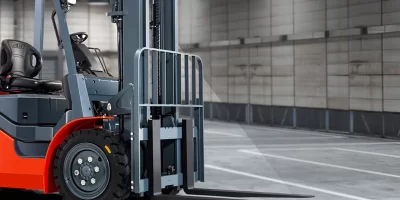
With less downtime and lower operating costs, a forklift lithium battery allows for continuous high-performance output during demanding shifts.
What were the challenges of traditional forklift batteries?
Lead-acid batteries often limit workflow due to:
Slow charging (6–10 hours)
Performance drop as charge decreases
High maintenance (watering, equalizing, cleaning terminals)
Battery swapping and expensive battery-room requirements
Shorter lifespan (2–4 years)
These limitations increase labor cost, downtime, and safety risk.
Why did forklift lithium batteries become the new standard?
Lithium technology excels in:
Multi-shift operations
Fast-paced loading environments
Cold-storage logistics
Automated handling systems
The forklift lithium battery addresses the basic shortcomings of prior technologies with complete power production throughout the cycle and little maintenance, making it the most forward-thinking choice for warehouses.
What Core Advantages Make a Forklift Lithium Battery Superior in Modern Warehousing?
Faster, More Productive Operations
Forklifts can run all day without changing their batteries because to opportunity charging during breaks, which takes only one to two hours.
Zero Maintenance
No watering. No acid corrosion. No ventilation system.
Labor savings are immediate and continuous.
Long-Lasting Power
Two to three times as long as lead-acid systems, a high-quality forklift lithium battery can last eight to ten years or more.
Reliable in Low-Temperature Conditions
Ideal for cold storage, outdoor fleets, and freezer warehouses.
Performance remains strong even below -20°C.
Consistent Performance
The battery does not travel slowly like earlier batteries do; instead, it delivers maximum torque and pulling power until almost empty.
Energy & Sustainability Benefits
Higher energy conversion efficiency
Reduced electricity consumption
No toxic gas emissions
Strong ROI
Profitability is significantly increased by longer life, quicker charging, and less downtime.
Because of this combination, businesses that use electric forklift lithium battery frequently experience quantifiable increases in throughput and operating costs within the first year.
What Is Inside a Forklift Lithium Battery? Main Structural Components
There is more to a contemporary forklift lithium battery than just energy cells.
It has a sophisticated architecture designed for longevity and safety:
Component
Function
Lithium Cells (LiFePO4 recommended)
High-cycle, thermally stable energy source
Battery Case
Industrial protection from shock, vibration, and dust
Cooling or Heat Elements
Maintains optimal cell performance in extreme environments
Connectors & Fuses
Safe power distribution
BMS
Core of safety, communication, and efficiency
In heavy-duty activities, the internal system is made to monitor circumstances, interact with the forklift, and provide complete safety.
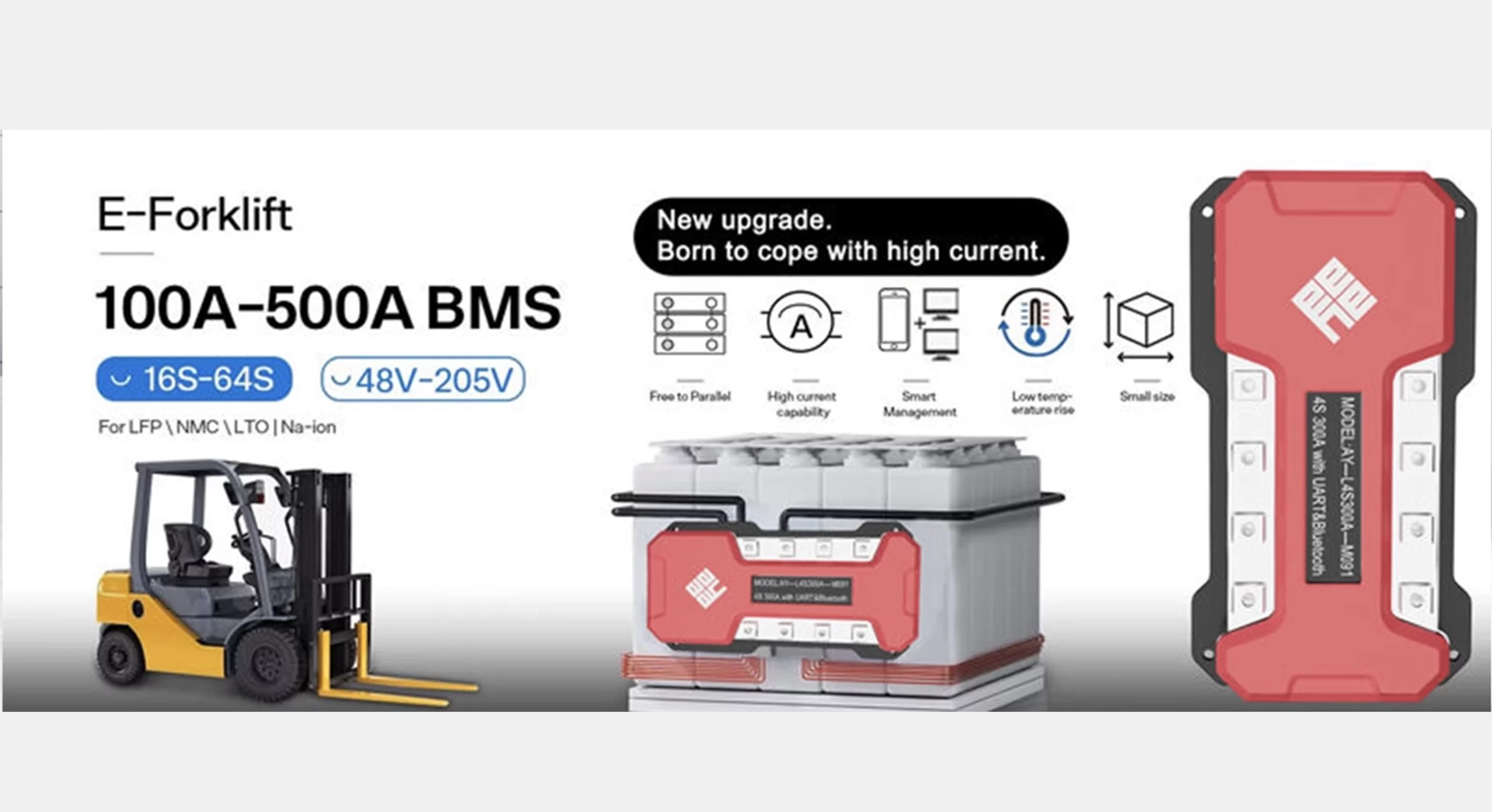
How Does BMS Ensure Safe, Efficient Operation in a Forklift Lithium Battery?
Every lithium battery pack has a BMS (Battery Management System).
No lithium forklift battery should be used in industrial settings without a trustworthy BMS.
✓ What does the BMS monitor?
Voltage of each cell
Charge and discharge current
Battery temperature
State of charge (SOC)
Health status (SOH)
Remaining energy & cycle tracking
✓ What protections does the BMS provide?
Over-charge / Over-discharge protection
Over-current and short-circuit prevention
Thermal safety management
Automatic cell balancing
Fault event record & alerts
✓ Why is BMS the key to efficiency?
Opportunity charging, high-intensity lifts, and continuous multi-shift operation are all supported by the forklift lithium battery.
However, longevity and safety would be jeopardized without the BMS overseeing stability and data.
✓ Smart connectivity
A good BMS allows for remote management and predictive maintenance by communicating with the forklift controller via CANBUS or other comparable industrial protocols.
To put it briefly, BMS is the cornerstone of every electric forklift lithium battery fleet’s performance, safety, and return on investment.
What Is the Market Outlook for Forklift Lithium Battery Technology?
Industrial electrification is accelerating for three reasons:
Labor productivity is now a competitive differentiator
Through 2030, market analysts predict that the use of electric forklift lithium battery will increase by more than 20% a year.
This change is indicative of a long-term industrial shift away from lead-acid systems, particularly in:
E-commerce fulfillment centers
Food logistics and cold-chain distribution
High-turnover manufacturing warehouses
Multi-shift, high-load facilities
Companies adopting lithium early are securing a strong competitive edge.
How Should You Select the Right Forklift Lithium Battery for Your Fleet?
Choosing the correct system requires evaluating four key factors:
Battery Type
Match chemistry to operating conditions.
LiFePO4 is recommended for safety and durability.
Capacity & Runtime
Analyze longest shift requirements and peak-load handling.
Operating Environment
Cold storage or outdoor fleets may require heating systems.
BMS Compatibility
The BMS needs to be able to interact with the forklift and implement necessary safeguards.
Make sure the voltage is in line with the forklift specifications for particular uses, such a 36V electric forklift lithium battery.
To ensure ideal setup, a qualified supplier should evaluate your vehicle model, lift load, and shift design.
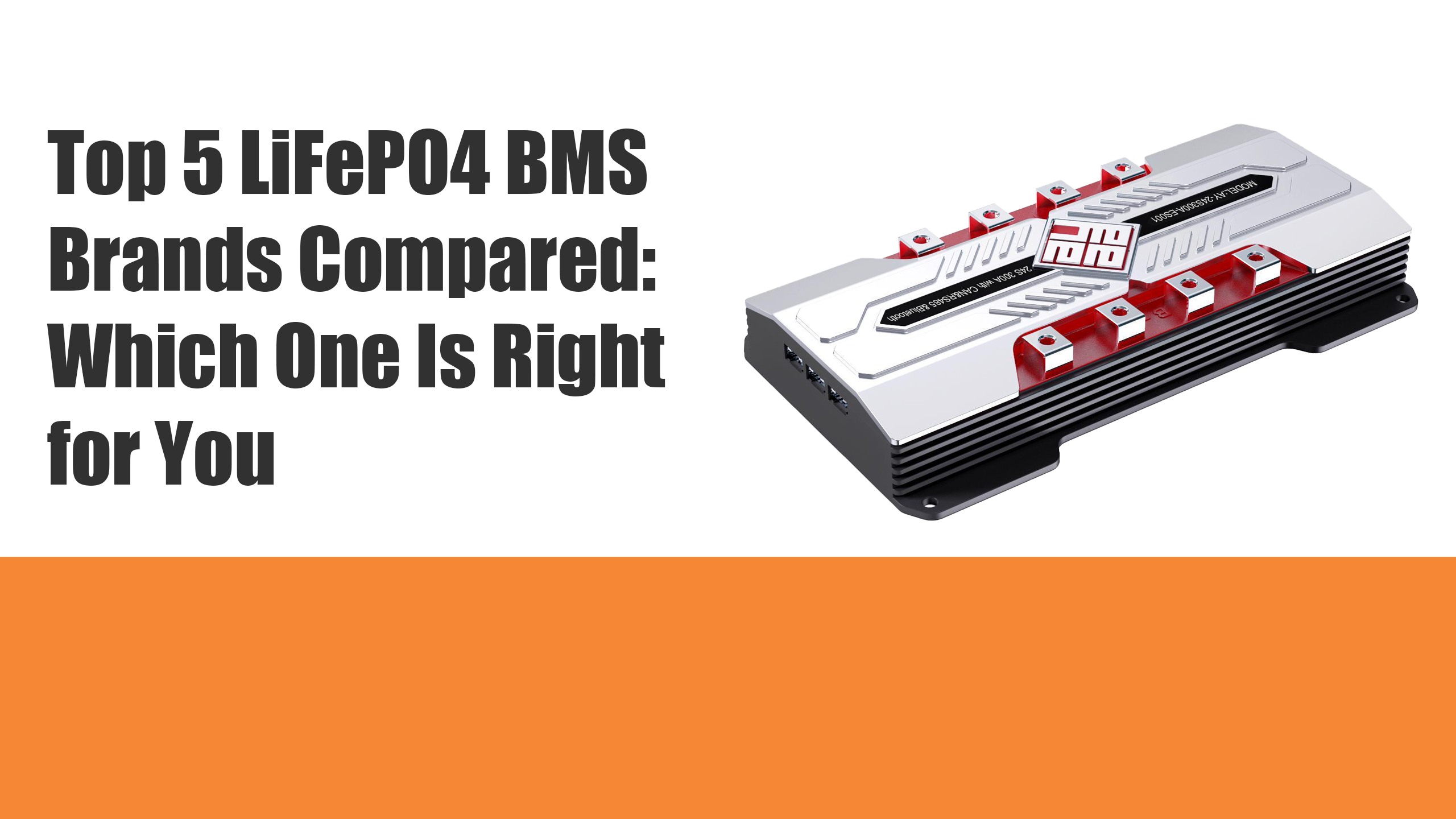
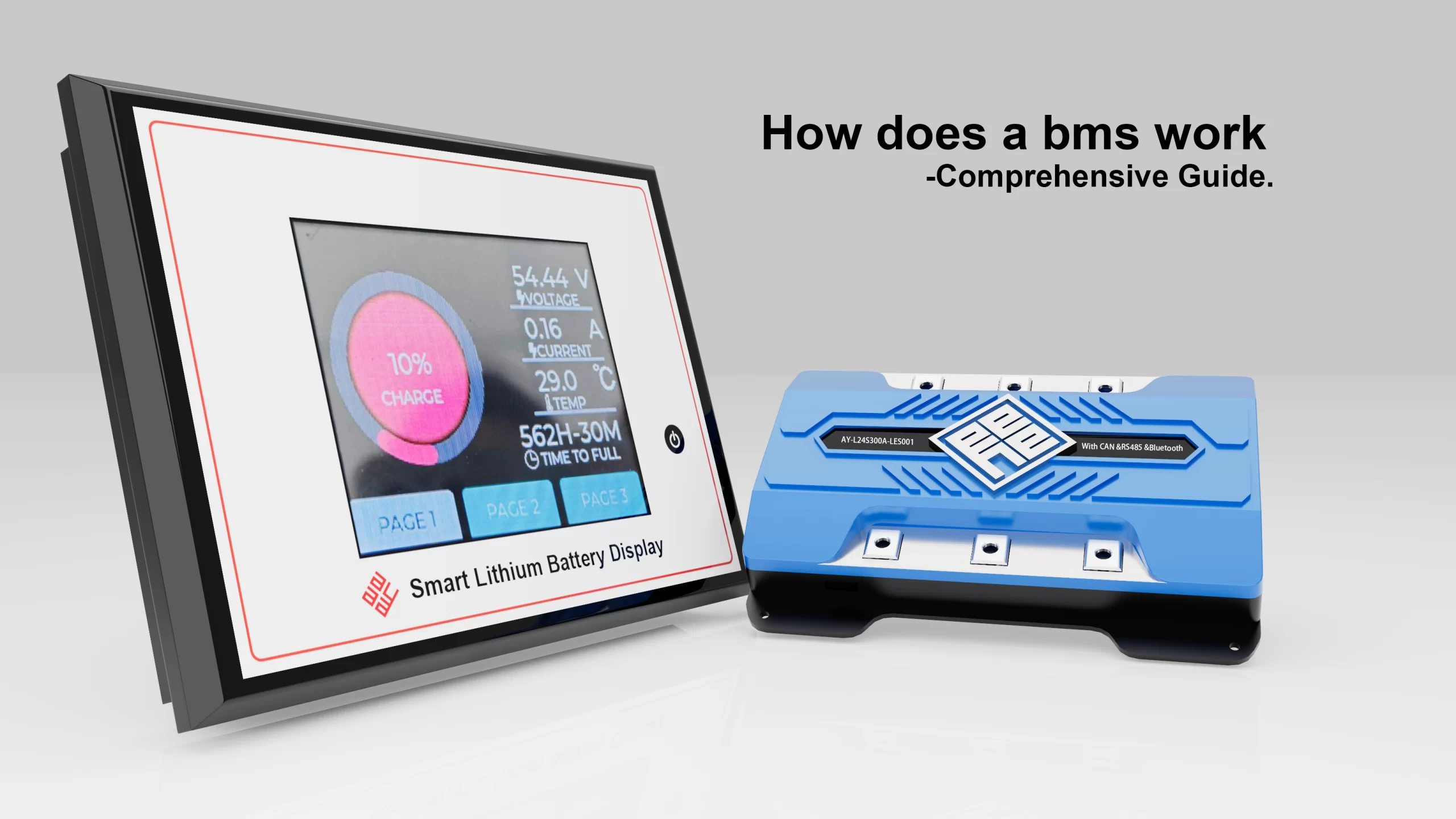
Why AY-L24S300A-ES001 (7S–24S) Is a Universal BMS Solution for Forklift Lithium Battery Systems
The BMS is the most crucial factor in determining lifetime value when converting to lithium energy.
The industrial-grade AY-L24S300A-ES001 is designed especially to guarantee performance and security in forklift applications.
Wide Application Flexibility
allows for interoperability with a variety of forklift types, including high-capacity loaders and small warehouse stackers, by supporting 7S–24S lithium battery packs.
Ideal for systems like a 36V electric forklift lithium battery used in workplaces with multiple shifts.
High-Voltage & High-Current Performance
ensures steady energy delivery throughout the shift by managing high surge loads during heavy lifting and rapid acceleration.
Smart Real-Time Monitoring
Integrates with forklift controls through CANBUS or UART:
SOC / SOH visibility
Fault alerts
Temperature monitoring
Charge status
Historical data logs
This transparency enables better fleet decision-making and predictive maintenance.
Industrial Safety Protections
Over-charge / over-discharge prevention
Short-circuit and over-current defense
Anti-thermal-runaway logic
Active cell balancing for longer lifespan
Designed for Fast-Charge Operations
Forklifts are kept productive around-the-clock with little downtime thanks to optimization for opportunity charging.
As a result, the AY-L24S300A-ES001 improves the safety, intelligence, and profitability of any electric forklift lithium battery across its entire life cycle.
The Smart Choice for Future-Ready Material Handling
The forklift lithium battery offers a clear competitive edge over antiquated lead-acid technology with quantifiable increases in uptime, labor savings, and long-term ROI.
Businesses who take action now will secure:
Predictable maintenance savings
Stronger working efficiency
Safer, cleaner operations
Higher productivity with multi-shift power
Reliable performance in cold and demanding environments
Upgrading to a forklift lithium battery solution—backed by a strong smart BMS—is more than just an enhancement if your company prioritizes efficiency and profitable operations…
It’s a transformation of your warehouse efficiency.
Ready to Upgrade Your Power System?
For fleet assessment, technical assistance, and specialized forklift lithium battery solutions designed for high-performance warehouses, get in touch with Ayaa Technology right now.
Perguntas frequentes
Q1:What is the 80 20 rule for lithium batteries?
A1:For lithium batteries, the “80/20 rule” recommends charging to no more than 80% and avoiding discharging below 20% in order to extend battery life.
This is because, in contrast to full charges and deep discharges, maintaining the battery in this mid-range decreases stress on the cells, which lowers degradation over time.
Full charges should be utilized when necessary, such as prior to a lengthy trip, however this rule is merely a recommendation rather than a required legal requirement.
Q2:Do forklifts use lithium batteries?
A2:These two primary battery types are typically used to power electric forklifts: Lead acid. Lithium-ion.
Q3:Can a lithium battery catch fire when not in use?
A3:Although it is uncommon, a lithium battery can catch fire when it is not in use.
This can occur as a result of physical harm, manufacturing flaws, or exposure to extremely high or low temperatures, which can trigger a phenomenon known as thermal runaway.
Even when the equipment is unplugged, the risk of failure is increased when batteries are stored in hot or hazardous environments.
Q4:How long do lithium forklift batteries last?
A4:A forklift battery’s lifespan is influenced by a number of variables, including as type, usage, and maintenance procedures.
With the right maintenance, lead-acid batteries usually last five to eight years, whereas lithium-ion batteries can last up to ten years.
Q5:Can I store lithium batteries in the garage?
A5:Yes, you can store lithium batteries in the garage, but it’s usually not the best option because extreme garage temperatures (too hot or too cold) can shorten their lifespan or damage them.
Instead, store them in an insulated garage, temperature-controlled room, or basement.
For optimal health, store them between 32°F (0°C) and 68°F (20°C), but always keep them dry, out of direct sunlight, and not fully charged or discharged.










 Português
  English
  日本語
日本語  Deutsch
  한국어
한국어  Français
  Español
  Italiano
  Русский
  العربية