48V Lithium Golf Cart Battery: Why It’s the Smart Upgrade Over Lead-Acid Packs
1296
48V Lithium Golf Cart Battery: Why It’s the Smart Upgrade Over Lead-Acid Packs
Golf carts are becoming essential equipment in resorts, campuses, industrial complexes, and even urban mobility solutions; they are no longer just found on leisure courses.
Traditional lead-acid batteries are beginning to show their limitations as these vehicles become more demanding in terms of power, runtime, and dependability.
The 48V lithium carrinho de golfe battery is a revolutionary improvement that combines long lifespan, high energy density, and intelligent monitoring via sophisticated BMS (Battery Management Systems).
What, however, makes a 48V lithium golf cart battery better than lead-acid ones, and why should operators think about doing so?
Let’s examine the benefits, technology, and BMS-driven performance that make this update not only wise but essential.
What Is a 48V Lithium Golf Cart Battery?
Rechargeable íon de lítio batteries made especially for electric golf carts are known as 48V lithium golf cart batteries.
Lithium-based batteries employ lithium iron phosphate (LiFePO4) chemistry, which offers greater energy density, reduced weight, and improved thermal stability in contrast to conventional lead-acid batteries.
The majority of mid- to high-performance golf carts come standard with a 48-volt design, which provides the ideal ratio of power, efficiency, and compatibility with current electric motor systems.
Key differences from lead-acid batteries include:
l Weight: A lithium pack weighs up to 60% less, improving vehicle handling and efficiency.
l Lifespan: Typically 3–5 times longer, reducing replacement frequency.
l Voltage Stability: Provides consistent output across the discharge cycle.
l Maintenance: Requires minimal intervention compared to water-topped lead-acid cells.
Main Advantages of a 48V Lithium Golf Cart Battery
1. High Energy Density and Power Output
More useful energy is delivered in a lighter, more compact container using a 48 volt lithium battery.
For big golf courses, campuses, or resort applications, this offers longer driving ranges per charge without adding weight or bulk to the battery.
2. Rapid Charging Capability
Compared to lead-acid batteries, lithium chemistry enables quicker charge times.
48V lithium golf cart batteries can safely handle high charge currents without shortening their lifespan with the right BMS integration, allowing for more flexible usage schedules.
3. Long Lifespan and Reliability
Golf cart lithium batteries based on LiFePO4 can withstand hundreds to thousands of charge cycles without losing their capacity.
The battery is shielded from overcharge, overdischarge, and temperature extremes when paired with a high-precision BMS, guaranteeing steady performance over many years of operation.
4. Low Maintenance
In contrast to lead-acid batteries, which need regular cleaning, equalization charging, and watering, 48V lithium golf cart batteries require very little upkeep.
Automatic monitoring, alerts for possible problems, and optimal cell balancing are all provided by BMS integration.
5. Safety and Environmental Advantages
Under typical use, lithium iron phosphate chemistry is non-toxic, thermally stable, and non-flammable, providing a safer option for both operators and the environment.
Additionally, the reduced weight improves sustainability by using less energy during operation.
How to Choose the Right 48V Lithium Golf Cart Battery
A number of important considerations need to be taken into account when choosing a 48V lithium golf cart battery:
1. Daily and Peak Power Requirements
What is the load on the golf cart and how far must you travel between charges?
For your particular usage case, a battery with an adequate amp-hour rating guarantees dependable operation.
2. Key Battery Specifications
Ø Voltage: Confirm compatibility with the vehicle’s motor and controller.
Ø Capacity (Ah): Determine based on range and power requirements.
Ø Discharge Rate (C-rating): High-discharge carts need higher C-ratings to maintain voltage under load.
3. Battery Coupling and Configuration
Will several batteries be connected in parallel or series?
For balanced operation and to avoid cell damage, the BMS must support the setup.
4. Brand, Warranty, and Quality
Choose trustworthy vendors who offer thorough specs, quality certificates, and dependable post-purchase assistance.
48V Lithium Golf Cart Battery vs. Lead-Acid: Why Lithium Wins
Lower Maintenance
Lead-acid batteries need to be cleaned and refilled with water on a regular basis.
However, a 48V lithium golf cart battery has integrated BMS management, which removes these time-consuming chores.
Higher Efficiency
Higher voltage consistency from lithium batteries results in improved torque control, smoother acceleration, and less energy loss.
Maior expectativa de vida
Typical lead-acid installations last two to three years, but a well-maintained 48 volt lithium battery can last up to ten years.
Weight Advantage
Because a lithium pack is far lighter, it improves mobility and lessens wear on suspension and drivetrain parts.
Why a BMS Is Essential for 48V Lithium Golf Cart Batteries
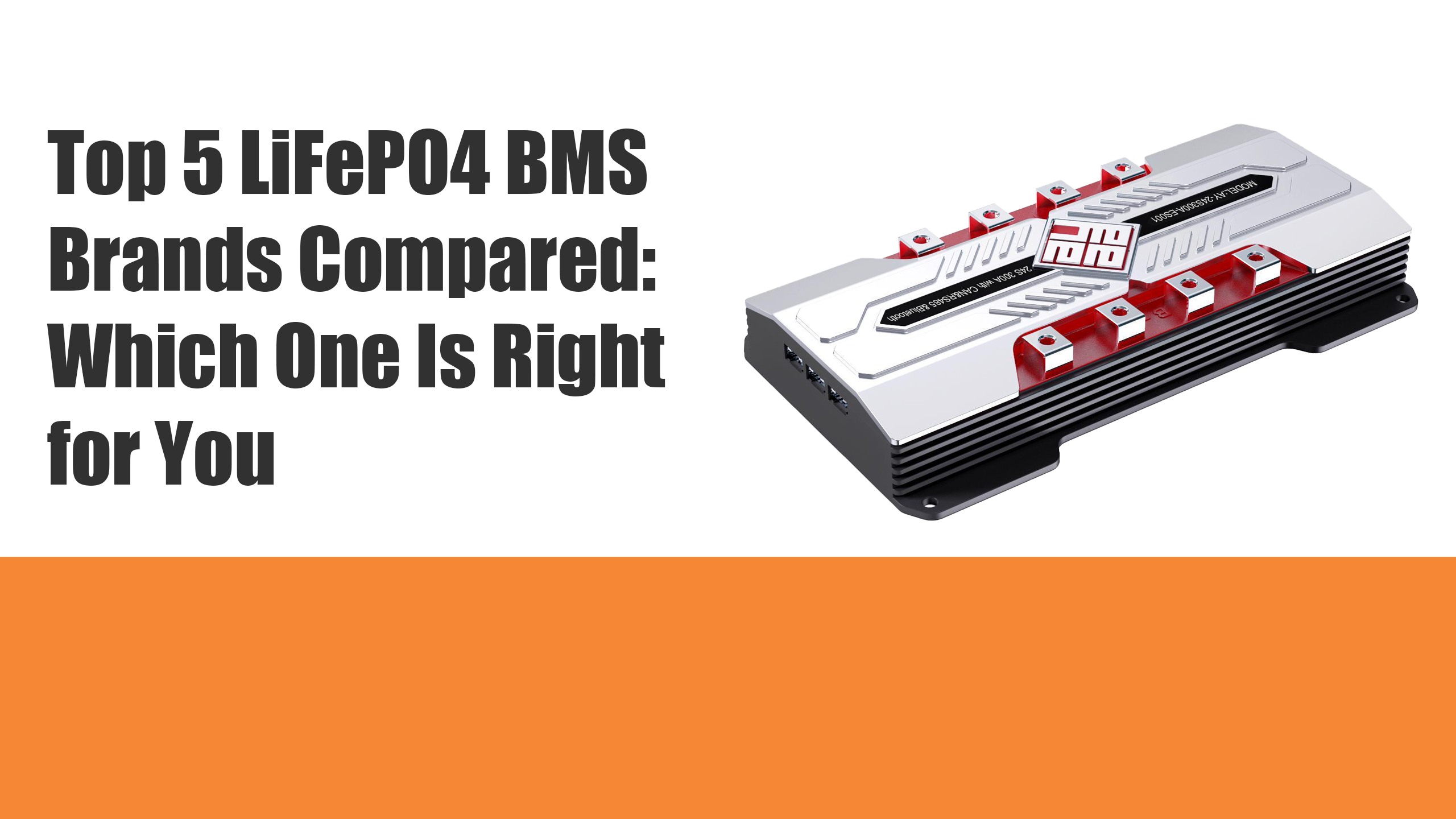
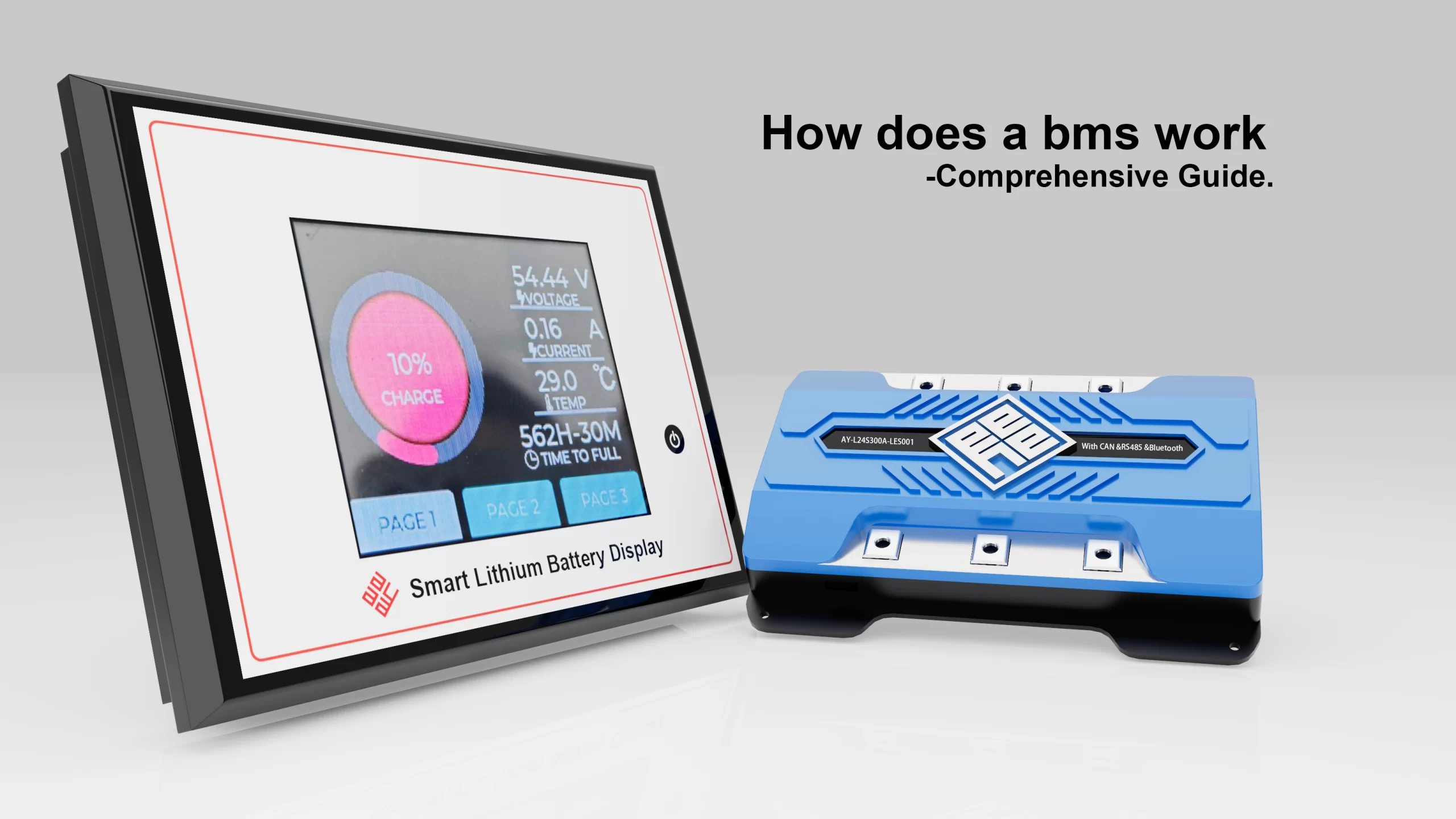
The Battery Management System (BMS) is the unsung hero behind every high-performance 48V lithium golf cart battery. Here’s why:
1. Cell Protection: Prevents overcharge, over-discharge, and short circuits.
2. Temperature Management: Monitors battery temperature to prevent overheating.
3. Cell Balancing: Ensures all cells in series maintain equal voltage, maximizing capacity and lifespan.
4. Data Reporting: Provides operators with real-time insights into battery health, charge status, and maintenance alerts.
Even a premium golf cart lithium battery could prematurely deteriorate without a BMS inteligente, decreasing efficiency and safety.
Applications of 48V Lithium Golf Cart Batteries
48V lithium golf cart batteries are versatile and support a range of applications:
l Golf Courses: Extended driving range for multiple rounds without recharge.
l Resorts and Campus Transport: Quiet, efficient mobility for guests and staff.
l Industrial Use: Material transport in warehouses or factories.
l Electric Utility Vehicles: Lightweight energy storage for service vehicles.
How to Maintain Your 48V Lithium Golf Cart Battery
Proper care ensures maximum lifespan:
l Charge Regularly: Avoid leaving the battery fully discharged.
l Monitor Temperature: Operate within the manufacturer-specified range.
l Use a BMS-Compatible Charger: Ensures proper voltage and current management.
l Storage: If not in use, store at 40–60% state of charge in a cool, dry place.
48V Lithium Golf Cart Battery: Market Trends and Future
Adoption of 48 volt lithium batteries is being driven by the global trend toward efficient, sustainable mobility.
Lead-acid batteries will soon be superseded by lithium-powered golf carts due to improvements in BMS technology, quicker charging, and higher energy density chemistries.
Purchasing 48V lithium golf cart batteries now offers better performance, reduced operating costs, and long-term value.
48V Lithium Golf Cart Battery Buying Guide
When purchasing, consider:
Battery type and chemistry
Capacity and voltage rating
Integrated BMS features
Warranty and brand reputation
Price versus lifecycle cost
A top-notch lithium golf cart battery with a dependable BMS guarantees years of safe operation, extended runtime, and steady performance.
Why 48V Lithium Golf Cart Batteries with BMS Are the Ultimate Upgrade
A 48V lithium golf cart battery reduces weight, has a longer lifespan, is more efficient, and requires less maintenance than a lead-acid battery.
By integrating a smart BMS, safety and return on investment are maximized through cell protection, thermal control, and balanced performance.
48V lithium golf cart batteries are the future-proof option for operators looking for dependable, high-performance energy storage for golf carts, resorts, or industrial vehicles.
Ayaa Technology offers a variety of lithium golf cart batteries that are suited to various applications for high-quality and intelligent BMS solutions, guaranteeing long-term dependability and safety.
Perguntas frequentes
Q1:What is the best lithium battery for a 48V golf cart?
A1:Your priority considerations will determine which 48V lithium battery is best suited for your golf cart.
Lithium batteries offer advantages over lead-acid batteries, including lighter weight, longer lifespan, higher power output, and features such as app monitoring and plug-and-play functionality.
Q2:How many lithium batteries do you need for a 48V golf cart?
A2:Four 12V lithium batteries: The most common configuration involves connecting four 12V batteries in series to produce a 48V voltage.
Two 24V lithium batteries: For certain golf cart designs, this solution employs two 24V batteries connected in series to achieve a 48V voltage.
Q3:Is it worth putting lithium batteries in a golf cart?
A3:Lead acid batteries are wet-flooded and need regular electrolyte level checks, but lithium golf cart batteries are essentially maintenance-free.
Water filling or washing the terminals of corrosive acid deposits that steal power is not necessary while using lithium power.
Q4:How long does a 48V lithium ion battery last for a golf cart?
A4:A well-maintained 48V lithium golf cart battery has a lifespan of 8–10 years, or 3,000–5,000 cycles at full discharge.
Depending on the terrain and usage, a single 48V golf cart battery can travel 25–40 miles on a full charge.
Q5:How long will 48V 100Ah last?
A5:A 48V (51.2V) 100Ah LiFePO4 server rack battery will survive between 3,000 and 5,000 complete discharge cycles under typical operating conditions.
This translates to an 8–14 year lifetime if cycling every day.