







How to Choose the Best Battery Management Systems for Your Application
Discover how to choose the best battery management systems for safety, efficiency, and longevity.
Lithium-ion and other rechargeable batteries require a battery management systems (BMS).
Its main function is to keep an eye on, safeguard, and maximize battery pack performance.
Whether in electric vehicles, solar energy storage, 선박 applications, or industrial equipment, a BMS ensures that batteries run safely and effectively.
Fundamentally, a BMS controls each cell’s voltage, current, temperature, and state of charge (SOC), offering crucial information and safeguards against overcharging, overdischarging, and thermal runaway.
Choosing the correct BMS is crucial to improving battery life, reliability, and operational safety.

What Is the Internal Structure of a BMS?
The internal structure of a BMS typically includes:
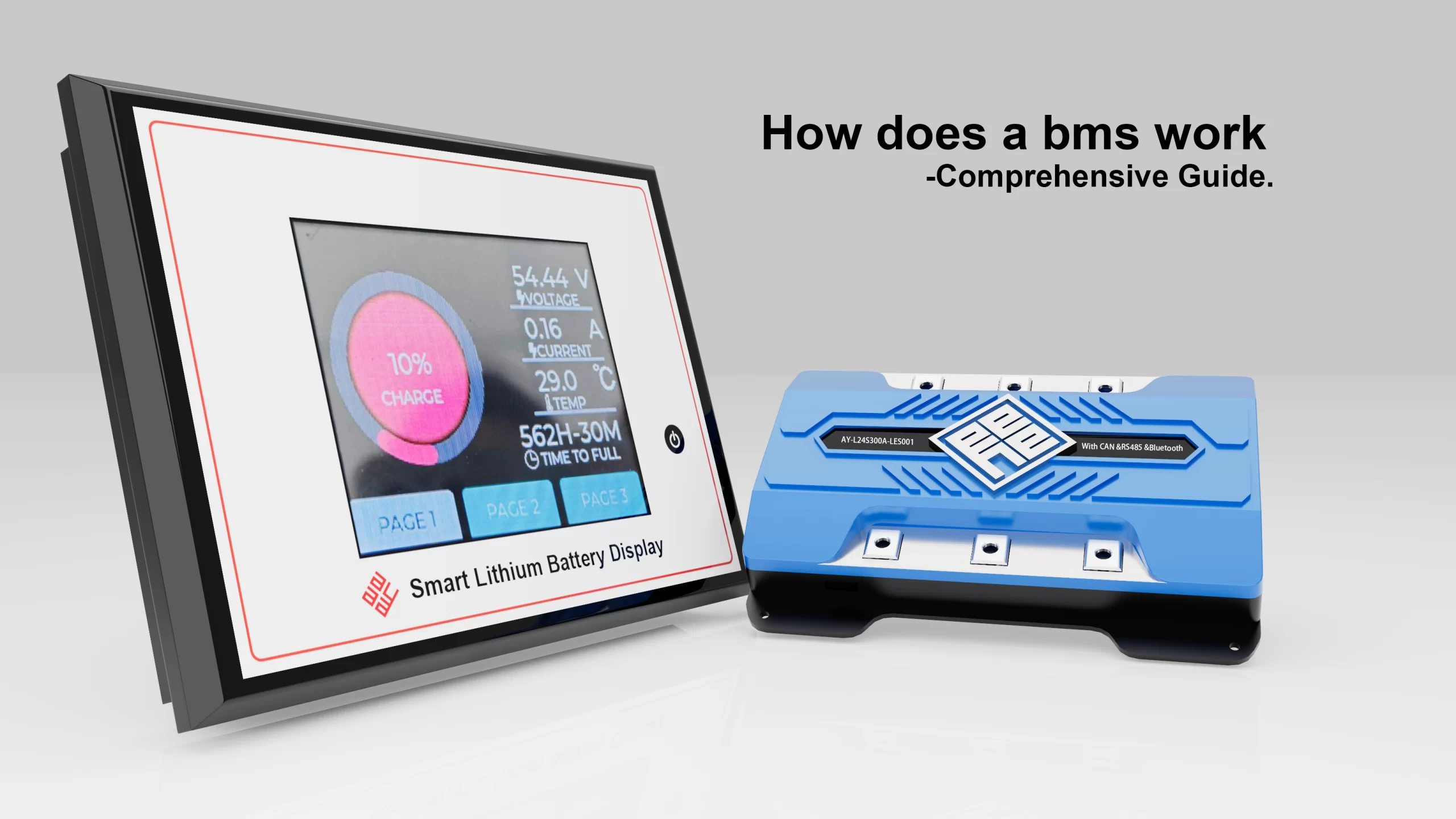
Voltage and Current Sensors: Monitor individual cell voltages and overall pack current.
Temperature Sensors: Detect overheating or abnormal thermal conditions.
Microcontroller Unit (MCU): Processes data and executes protective and balancing commands.
Cell Balancing Circuits: Ensure all cells maintain uniform voltage for optimal performance.
Communication Interfaces: Enable Bluetooth, CAN, or UART connections for monitoring and remote control.
Protection Circuits: Provide overvoltage, undervoltage, overcurrent, and short-circuit protection.
By minimizing energy use and averting breakdowns before they happen, this architecture enables the BMS to take proactive measures.
How Do Battery Management Systems Work?
Critical battery parameters are continuously monitored by battery management systems, which then modify operating conditions as necessary.
The BMS takes data from sensors to:
Balance energy among cells
Limit charging and discharging currents to safe levels
Trigger alarms or shut down systems in case of unsafe conditions
Communicate with external devices for real-time monitoring
A BMS guarantees dependable and durable battery performance by combining these procedures.
What Are the Key Functions of Battery Management Systems?
Safety is the first objective of any BMS.
It guards against overcharging, overdischarging, excessive current, and thermal risks, considerably lowering the risk of fire or battery failure.
How Does a BMS Improve Battery Performance?
By balancing cells and regulating current flow, a BMS ensures that each cell functions within optimal voltage and temperature ranges, which promotes energy efficiency and consistent output.
How Does a BMS Detect Battery Health and Diagnose Issues?
In order to enable predictive maintenance and prevent unplanned downtime, advanced BMS units monitor the status of health (SOH) of cells, identify degradation, and diagnose possible problems.
What Are the Advantages of Battery Management Systems?
Enhanced Safety: Reduces risk of accidents due to battery faults.
Extended Battery Life: Proper cell balancing and thermal management prevent premature degradation.
Improved Efficiency: Optimizes charge and discharge cycles for maximum energy use.
실시간 모니터링: Provides continuous data for better control and maintenance.

How Does Battery Management Systems Improve Efficiency and Reduce Costs?
By limiting overcharging, excessive discharge, and thermal stress, a BMS minimizes maintenance demands and prolongs battery longevity.
This results in reduced operating expenses and increased dependability, particularly in applications like large-scale 에너지 저장 systems or electric cars.
How to Choose the Best Battery Management Systems for Your Application?
When selecting a BMS, consider the following:
Voltage Range and Series Cells: Ensure the BMS supports your battery pack’s voltage and cell configuration.
의사소통 방식: Decide between Bluetooth, CAN, or UART based on your monitoring needs.
Material and Build Quality: Look for durable materials and high-quality circuitry.
호환성: Confirm the BMS works with your battery chemistry and application environment.
Features: Consider advanced features like parallel connection, intelligent monitoring, and fault detection.
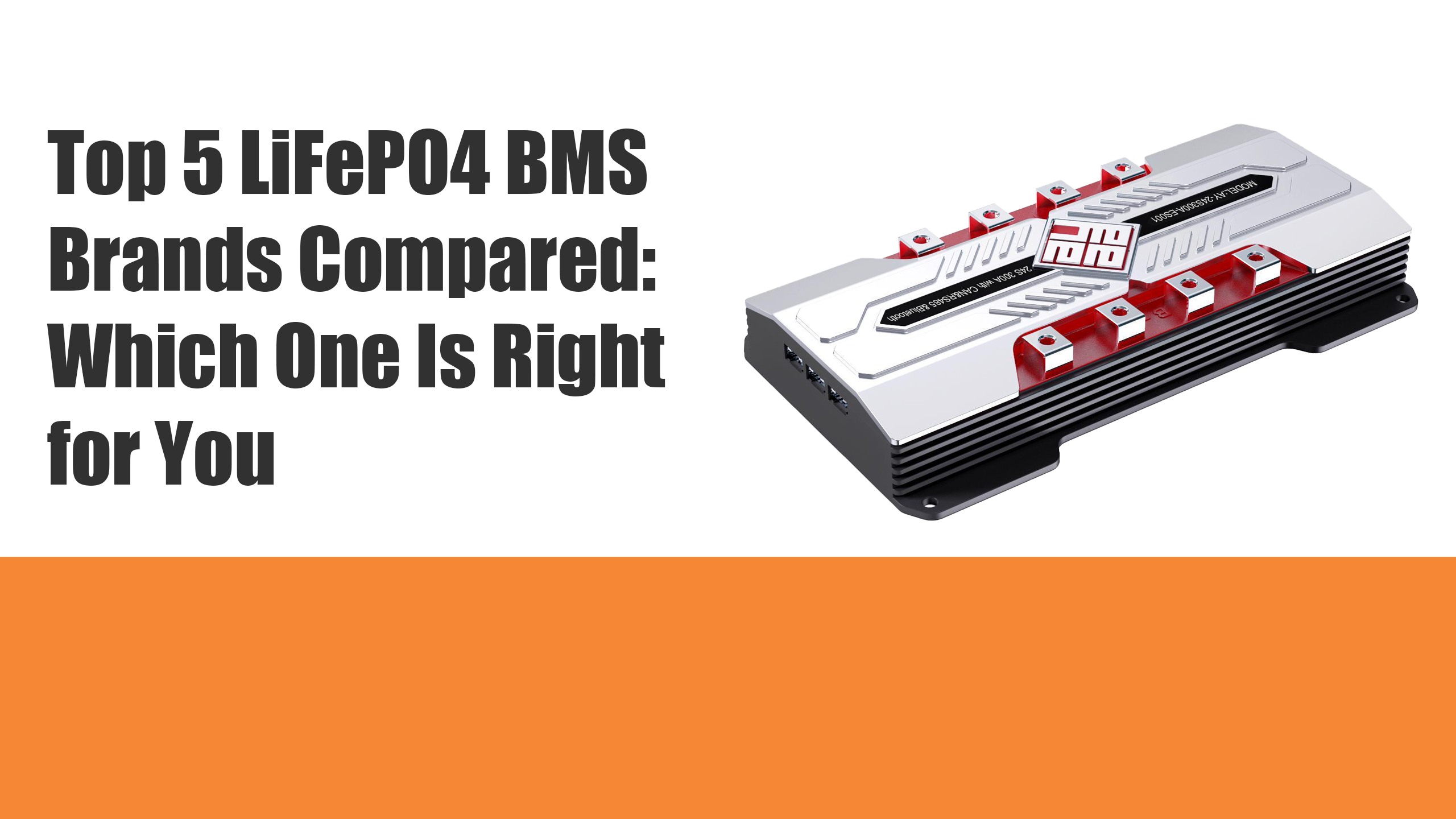
The Advantages of AY-L24S300A-ES001 (7S-24S)

서포트 7 to 24 series cells, ideal for high-capacity battery packs.
Offers intelligent monitoring for voltage, current, and temperature.
Suitable for EVs, RVs, solar storage, and marine applications.
Features advanced protection including overvoltage, overcurrent, and temperature control.
The Advantages of AY-L10S200A-ES002 (4S-10S)
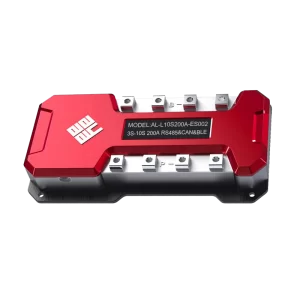
Compatible with 4 to 10 series cells for medium-sized packs.
Made from durable materials ensuring long-term reliability.
서포트 Bluetooth and other communication protocols for remote monitoring.
Optimized for compact lithium-ion battery applications.
The Advantages of AY-LS10S200A-H200 (6S-10S)
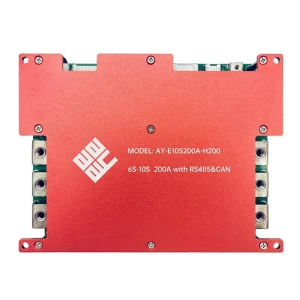
서포트 6 to 10 series cells.
Enables parallel connection for expanded capacity.
높은 compatibility with various lithium-ion packs.
Provides protocol support for seamless integration and data reporting.
How Do Price and Value Compare for Battery Management Systems?
Although high-quality BMS devices may have higher upfront costs, their ability to preserve batteries, reduce maintenance, and increase battery life provides exceptional long-term value.
Investing in a functional BMS saves money by minimizing early battery failure and boosting overall system efficiency.
What Is the Future Development of Battery Management Systems?
Future BMS technology is trending toward:
Smarter algorithms for predictive maintenance and optimized energy use
Advanced communication for IoT integration and real-time cloud monitoring
Higher scalability for large battery banks and renewable energy applications
Improved safety features for high-voltage and high-energy systems
These advances will make BMS systems even more crucial for modern energy storage, transportation, and industrial applications.
Battery Management Systems: The Key to Safe, Efficient, and Long-Lasting Energy Storage
Choosing the correct battery management system is critical for guaranteeing battery safety, maximizing performance, and decreasing operational expenses.
With extensive features, real-time monitoring, and intelligent protection, BMS devices provide trustworthy solutions for applications ranging from EVs and solar energy to maritime and industrial systems.
Ayaa Technology is still at the forefront of innovation and dependability for complete, intelligent battery management systems.
자주 묻는 질문
Q1:What are the three types of BMS?
A1:Centralised BMS – One control device manages the entire pack.
Modular BMS – Split into parts, perfect for larger systems.
Distributed BMS – Maximum precision is possible because each cell has its own controller.
Q2:How do I get rid of battery management system malfunction?
A2:When you receive such a notice, you should usually charge your battery and take out any electrical items that are plugged into your car.
You can accomplish this by turning on the ignition, parking your car, and letting the alternator charge your battery for at least 20 minutes.
Q3:What does a BMS actually do?
A3:Any electrical system that facilitates the safe use and extended lifespan of a rechargeable battery (cell or battery pack) in real-world situations while tracking and estimating its various states (such as condition of health and state of charge) is known as a battery management system (BMS).
Q4:Does a BMS stop charging when full?
A4:When the battery is fully charged, the DC DC should cease charging.
The BMS will cut off the charger if it overcharges for any reason.
Q5: BMS 없이 리튬 배터리를 작동시킬 수 있나요?
A5:No, you can’t—and you shouldn’t.
In Australia, lithium batteries must include a Battery Management System (BMS) or an integrated safety device to meet with safety regulations.
A BMS is critical for preventing overcharging, overheating, and deep discharge, all of which can cause battery failure or even constitute a fire danger.
문의하기
최신 뉴스
- Understanding Battery Symbolism: A Complete Guide for Engineers and Designers
- Lithium vs. Lead-Acid Golf Cart Batteries: 10-Year Cost Analysis
- Ultimate Guide to Lithium Golf Cart Batteries 2026
- Why FPV Battery for World Cup-Level Outdoor Filming Still Needs Custom Smart BMS
- Final Guide for Order Picker Battery & Smart BMS Upgrade
공유
뉴스 추천
-

BMS 연결 다이어그램 이해: MOSFET 제어부터 셀 밸런싱까지
08/19/2025 -
인산철 리튬 BMS 상위 5개 브랜드 비교: 당신에게 맞는 것은?
05/16/2025 -
스마트 BMS 작동 방식 - 종합 가이드.
03/11/2025 -
전통적인 에너지원 대신 태양광 에너지 시스템을 선택하는 이유는 무엇인가요?
03/31/2025 -