Polymer Battery 3.7 V: Everything You Need to Know
556
Polymer Battery 3.7 V: Everything You Need to Know
Portable power systems have been transformed by lithium polymer technology, which provides high-energy, lightweight solutions for a variety of devices.
The polymer battery 3.7 V is a popular option for drones, remote-controlled gadgets, and other portable electronics because of its energy density, small size, and versatility.
Maximizing performance and safety requires an understanding of a battery management system’s (BMS) construction, operation, and mission.
What Is a Polymer Battery 3.7 V?
A flexible polymer electrolyte is used in the design of a lithium-based rechargeable cell known as a polymer battery 3.7 V.
The polymer matrix, in contrast to conventional liquid electrolytes, enables flexible, thin, and light battery designs.
Key Components Include:
Anode: Typically made from graphite, facilitating lithium-ion intercalation during charging.
Cathode: Composed of lithium metal oxides such as LiCoO₂ or LiFePO₄, determining voltage and capacity.
Electrolyte: A solid or gel-like polymer that conducts lithium ions between electrodes.
Separator: Prevents direct contact between anode and cathode while allowing ion flow.
Because of the electrochemical potential difference between the lithium-ion electrodes, these batteries normally run at a nominal voltage of 3.7 V.
Because of their comparatively flat discharge curve, devices can operate at a steady voltage while in operation.
Why Use a Polymer Battery 3.7 V?
La polymer battery offers several advantages over conventional lithium-ion cells:
Densité énergétique élevée : More power stored per unit weight, ideal for drones and mobile electronics.
Lightweight and Flexible: Thin packaging allows integration into compact designs without adding bulk.
Longer Cycle Life: Properly managed batteries can endure hundreds of charge/discharge cycles.
Enhanced Safety: Solid or gel electrolytes reduce leakage risk compared to liquid electrolytes.
Versatile Applications: Used in drones, RC vehicles, smart wearables, and small electronics.
How Does a Polymer Battery 3.7 V Work?
The working principle of a polymer battery revolves around lithium-ion migration:
During charging, lithium ions move from the cathode to the anode, where they are stored.
During discharging, lithium ions travel back to the cathode, releasing electrical energy that powers your device.
This reversible ion flow underlies the efficiency and rechargeable nature of polymer batteries.
How Does a Battery Management System (BMS) Enhance Polymer Battery?
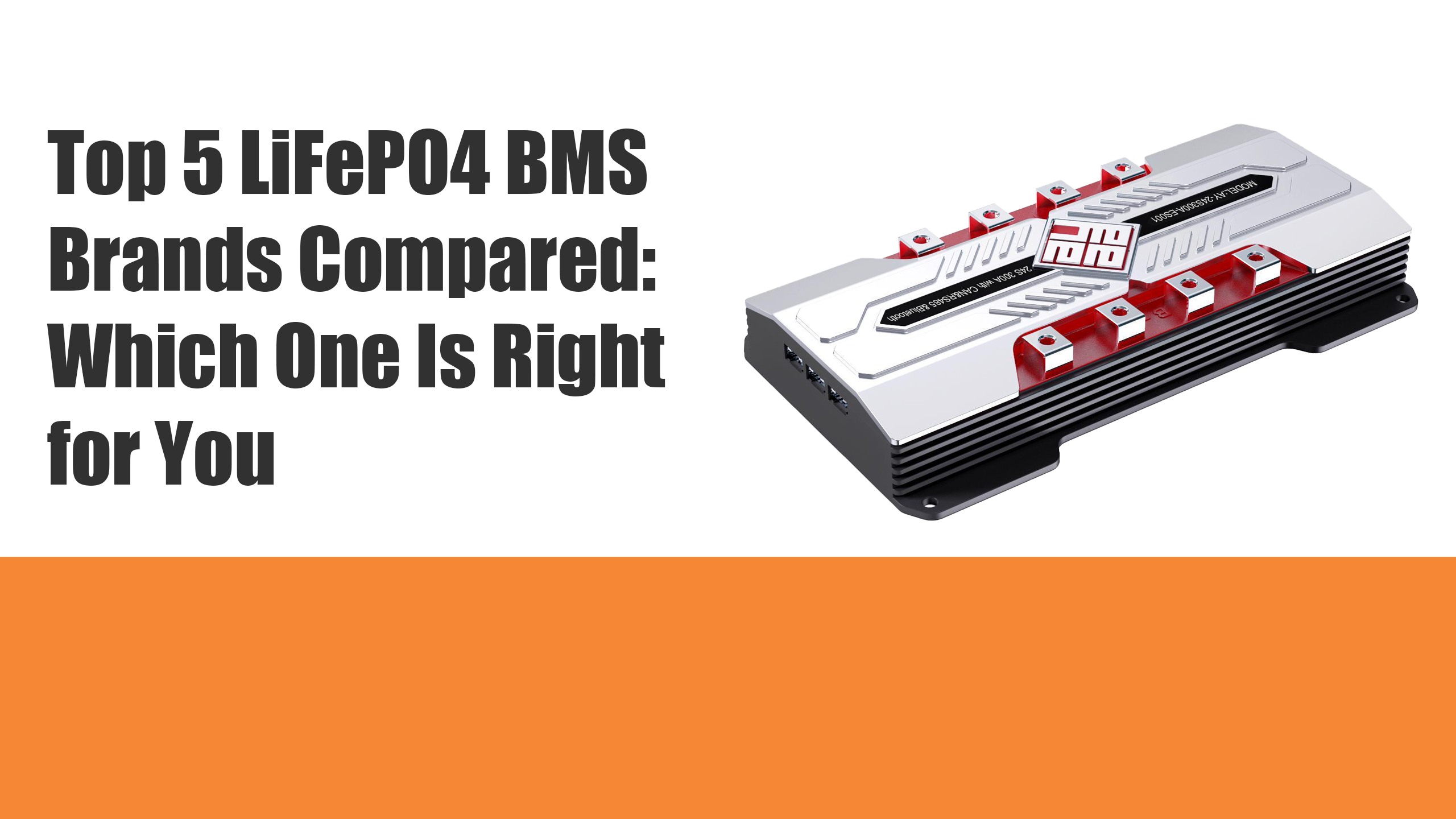
To safeguard, keep an eye on, and maximize the performance of polymer batteries, a BMS is essential.
High-energy cells are vulnerable to thermal runaway, overcharge, and overdischarge in the absence of a BMS.
Primary Functions Include:
Voltage and Current Monitoring: Ensures each cell stays within safe operating limits.
Équilibrage cellulaire : Maintains uniform charge across multiple cells for longer battery life.
Gestion thermique : Monitors temperature via NTC sensors to prevent overheating.
Protection Circuits: Automatically disconnects the battery under unsafe conditions.
SOC Estimation: Provides accurate state-of-charge data for efficient energy use.
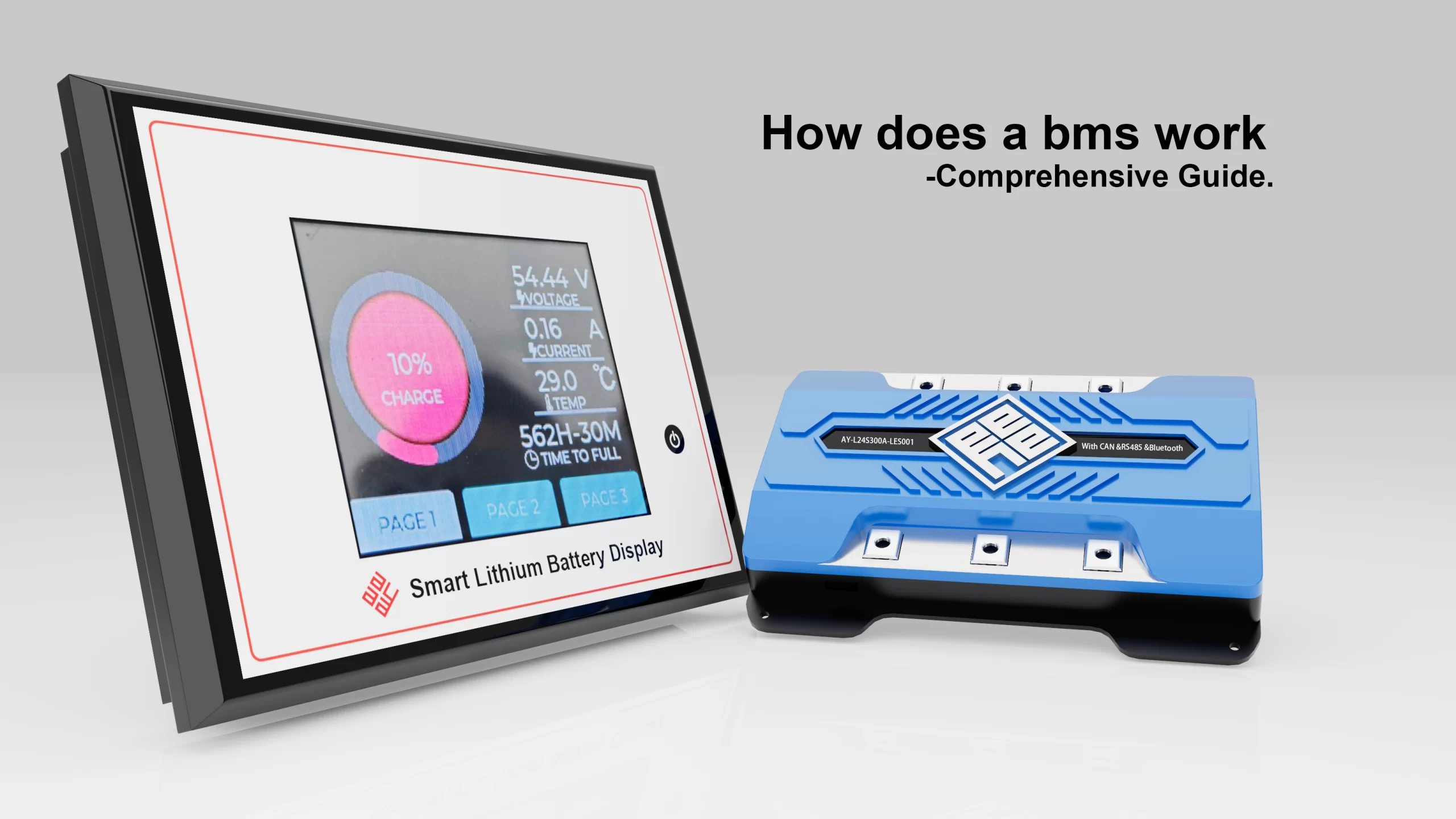
Adding a Système de gestion de bâtiments intelligent to a polymer battery 3.7 V is especially crucial for UAVs and high-performance devices that require dependable power delivery and a longer lifespan.
How to Correctly Charge a Polymer Battery 3.7 V
Charging a polymer battery involves two main stages:
Constant Current (CC): The battery is charged at a fixed current until it reaches the target voltage.
Constant Voltage (CV): Voltage is held constant while current gradually decreases until the battery is fully charged.
Conseils de sécurité :
Use a compatible charger designed for LiPo chemistry.
Avoid charging unattended or in extreme temperatures.
Never puncture or physically stress the battery.
How to Select the Right Polymer Battery 3.7 V
When choosing a polymer battery, consider:
Capacité (mAh) : Higher capacity offers longer run times but may increase weight.
Discharge Rate (C-Rating): Determines how much current the battery can safely supply.
Size and Weight: Must fit the intended device while keeping performance optimal.
Intégration du système de gestion technique du bâtiment (GTB) : Ensures safety, stability, and maximizes cycle life.
For UAVs, RC vehicles, and other high-demand applications, selecting a battery with an appropriate C-rating and BMS protection is crucial for safety and performance.
Safety Guidelines for Using Polymer Battery 3.7 V
Key Safety Practices:
Avoid overcharging or discharging below recommended levels.
Store batteries in a cool, dry environment.
Inspect terminals and connections before each use.
Use fireproof storage bags for transport.
Dispose of damaged or degraded batteries following local regulations.
Applications of Polymer Battery 3.7 V
Polymer battery is highly versatile:
Drones and UAVs: Lightweight design enhances flight time.
RC Vehicles: High discharge rates support rapid acceleration.
Portable Electronics: Smart wearables, cameras, and handheld devices.
DIY Projects: Ideal for hobbyist robotics and remote-controlled systems.
The Future of Polymer Battery 3.7 V
Advances in polymer battery technology focus on:
Higher energy densities with lighter materials.
Improved BMS algorithms for real-time monitoring.
Faster charging without compromising lifespan.
Broader applications in commercial drones, robotics, and IoT devices.
Maximizing Performance and Safety with Polymer Battery
Users can securely benefit from the high energy density and lightweight design of the polymer battery 3.7 V by comprehending its structure, operation, and BMS integration.
When powering portable electronics, RC cars, or drones, a smart BMS guarantees durability, dependability, and steady performance.
Polymer battery customers may attain the highest levels of efficiency, safety, and longevity in all applications thanks to Ayaa Technology’s cutting-edge BMS solutions.
FAQ
Q1:Is a polymer battery better than lithium?
A1:Although lithium-polymer batteries have advantages in terms of weight, flexibility, and charging speed, lithium-ion batteries are frequently more affordable and have a higher energy density.
The best option is determined by the particular needs of the application or device.
Q2:How long does a 3.7 V LiPo battery last?
A2:Under ideal conditions, a 3.7V lithium-ion cell can last for two to three years, or about 500 charge cycles.
Q3:What is the holy grail of lithium batteries?
A3:Using a lithium metal anode and a solid electrolyte rather than a liquid, the solid-state lithium-metal battery is the “holy grail” of lithium batteries.
It promises double the energy density, significantly faster charging times (minutes), and a much longer lifespan (more than ten years) for electric vehicles while removing the risk of fire.
Q4:How long do Li-ion polymer batteries last?
A4:Lithium-ion batteries have a range of 500 to 1000 cycles, whereas lithium polymer batteries usually have 800 to 1200 cycles.
This indicates that lithium polymer batteries frequently have a longer usable cycle life.
Lithium polymer batteries are particularly noteworthy for applications that demand a long cycle life.
Q5:Can I replace a lithium-ion battery with a lithium polymer battery?
A5:Indeed, a LiPo battery can frequently be used in place of a lithium-ion battery.
Because of their increased safety and reduced weight, LiPos are gradually taking the lead in portable electronics.
It’s crucial to confirm that the replacement battery’s voltage and size match those of the original, though.