The Modern Mariner’s Guide: Why Upgrade to a Lithium Ion Marine Battery?
420
The Modern Mariner’s Guide: Why Upgrade to a Lithium Ion Marine Battery?
There is a quiet revolution taking place in the maritime sector right now.
The lithium ion marina battery has become the gold standard for contemporary energy storage as boat owners abandon the bulky, maintenance-intensive lead-acid banks of the past.
These cutting-edge power units, particularly those that use the chemistry of lithium iron phosphate (LiFePO4), provide a special blend of high energy density, quick charging, and an outstanding cycle life.
The switch to a lithium ion batería marina is about more than just sheer power for a professional or recreational yacht owner.
It’s also about the dependability and security that come from integrated intelligence.
The ability of a battery to control itself through an advanced Battery Management System (BMS) can mean the difference between a successful journey and a catastrophic system failure in an area where the closest shore power may be hundreds of miles distant.
What Exactly is a Lithium Ion Marine Battery?
A lithium ion marine battery is a deep-cycle energy storage device that produces steady, high-density power in a marine environment by using lithium-based chemistry, most frequently lithium iron phosphate (LiFePO4).
1.Chemical Stability: The lithium ion marine battery uses LiFePO4, which is naturally non-combustible and chemically stable even in high-heat engine rooms, in contrast to the lithium-cobalt batteries seen in smartphones.
2.High Power Density: Compared to conventional lead-acid alternatives, a lithium ion marine battery internal design enables it to store a lot more energy in a considerably smaller physical footprint.
3.Deep Cycle Design: The lithium ion marine battery is the best option for “house” loads and trolling motors because it is designed to be depleted deeply thousands of times.
4.Integrated Intelligence: A professional-grade lithium ion marine battery has a separate BMS that acts as the device’s electronic brain; it is never just a “dumb” box of chemicals.
What are the Core Advantages of the Lithium Ion Marine Battery?
The move toward lithium technology is driven by a clear set of operational advantages that directly impact the performance, comfort, and safety of any vessel.
●Dramatic Weight Reduction: Generally speaking, a lithium ion marine battery weighs between 30% and 50% less than an identical lead-acid battery.
This decrease in “dead weight” allows for better weight distribution throughout the vessel, increases hull speed, and uses less fuel.
●Longer Runtimes and Faster Charging: A lithium ion battery offers 95% to 100% of its rated capacity, but lead-acid batteries should only be depleted to 50%.
Additionally, it can handle higher charge currents, so you may enjoy the water more and use a noisy generator less.
●Exceptional Service Life: Between 3,000 and 5,000 discharge cycles are possible for a high-quality lithium ion marine battery.
Because of its endurance, the cost-per-cycle is far lower than that of any AGM or Gel battery, despite the initial cost being higher.
Can Your Fishing Boat Use a Lithium Ion Marine Battery?
The short answer is yes, but the application depends on whether you are using the battery for starting an engine or powering your deep-cycle electronics.
1.Trolling Motors: This is the most popular application.
A lithium ion marine battery provides constant voltage, ensuring your motor delivers 100% thrust even when the battery is at 20% charge.
2.Onboard Electronics: Modern sonar and GPS systems are sensitive to voltage drops.
A lithium ion marine battery provides a flat discharge curve, preventing screen flickering or system reboots.
3.Dual-Purpose Needs: While primarily for deep cycles, many modern lithium ion marine battery units are now designed with high enough cranking amps to start outboard engines safely.
Should You Invest in a Lithium Ion Marine Battery for Your Fleet?
Deciding to purchase a lithium ion marine battery involves a strategic look at your vessel’s mission profile and your long-term operational budget.
●Budget Considerations: The 10-year lifespan of a lithium ion battery makes it a more cost-effective option over ten years than replacing lead-acid batteries every two years, even though the “sticker price” is greater.
●Operational Runtime: A lithium ion battery’s additional capacity is a crucial upgrade for tournament success if your existing lead-acid bank dies midway through a fishing trip.
●Weight Sensitivity: Making the conversion to a lithium ion battery can save hundreds of pounds for small skiffs or high-performance yachts, which can lead to quantifiable increases in peak speed and draft.
●The BMS Factor:The only thing protecting the cells from possible environmental harm is a high-end BMS, thus you should only get a lithium ion battery with one.
Why is a Precision BMS Mandatory for Your Lithium Ion Marine Battery?
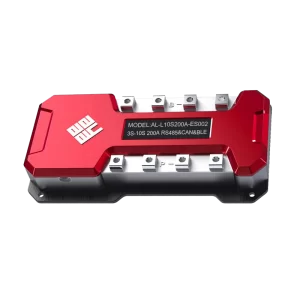
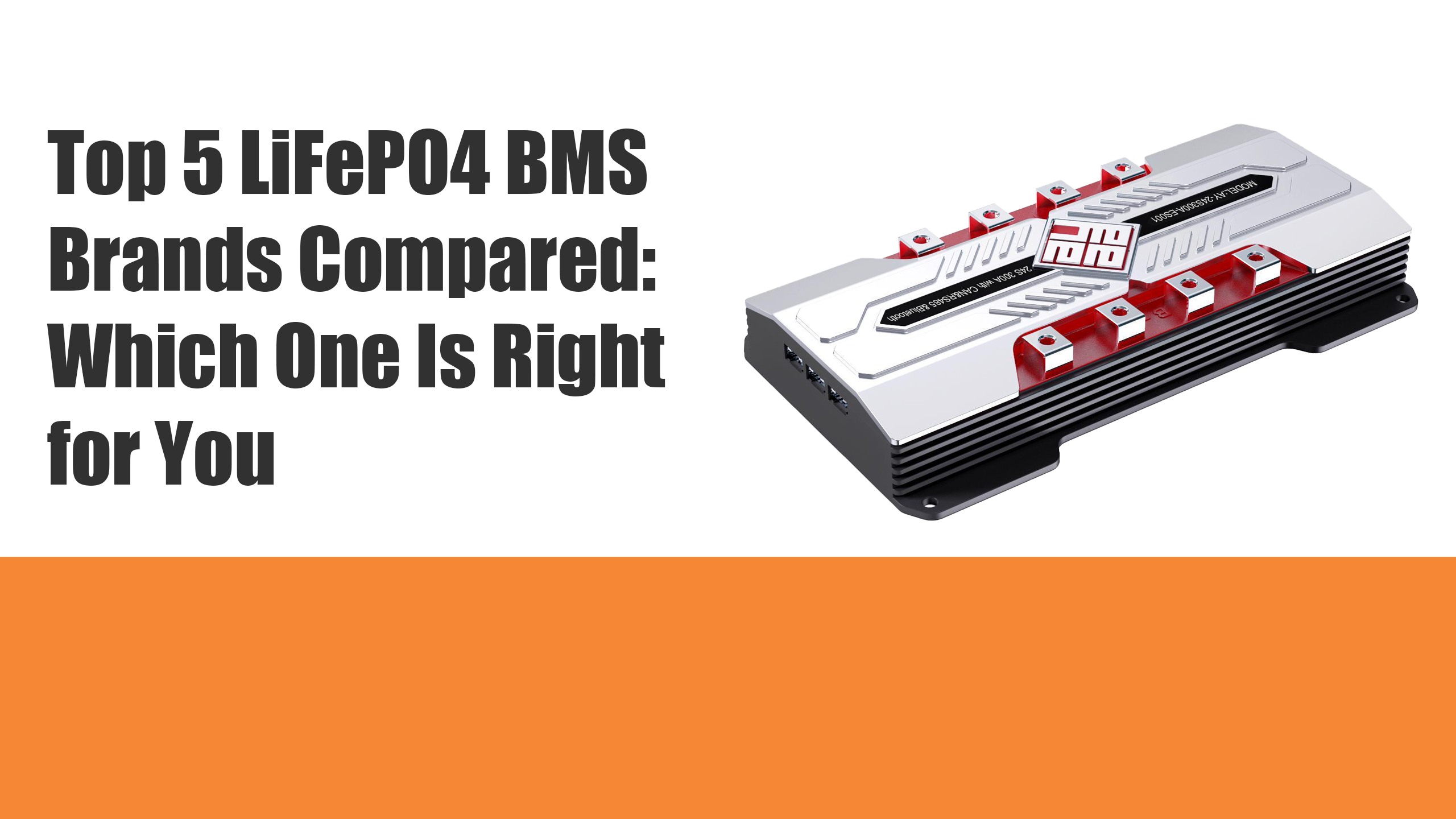
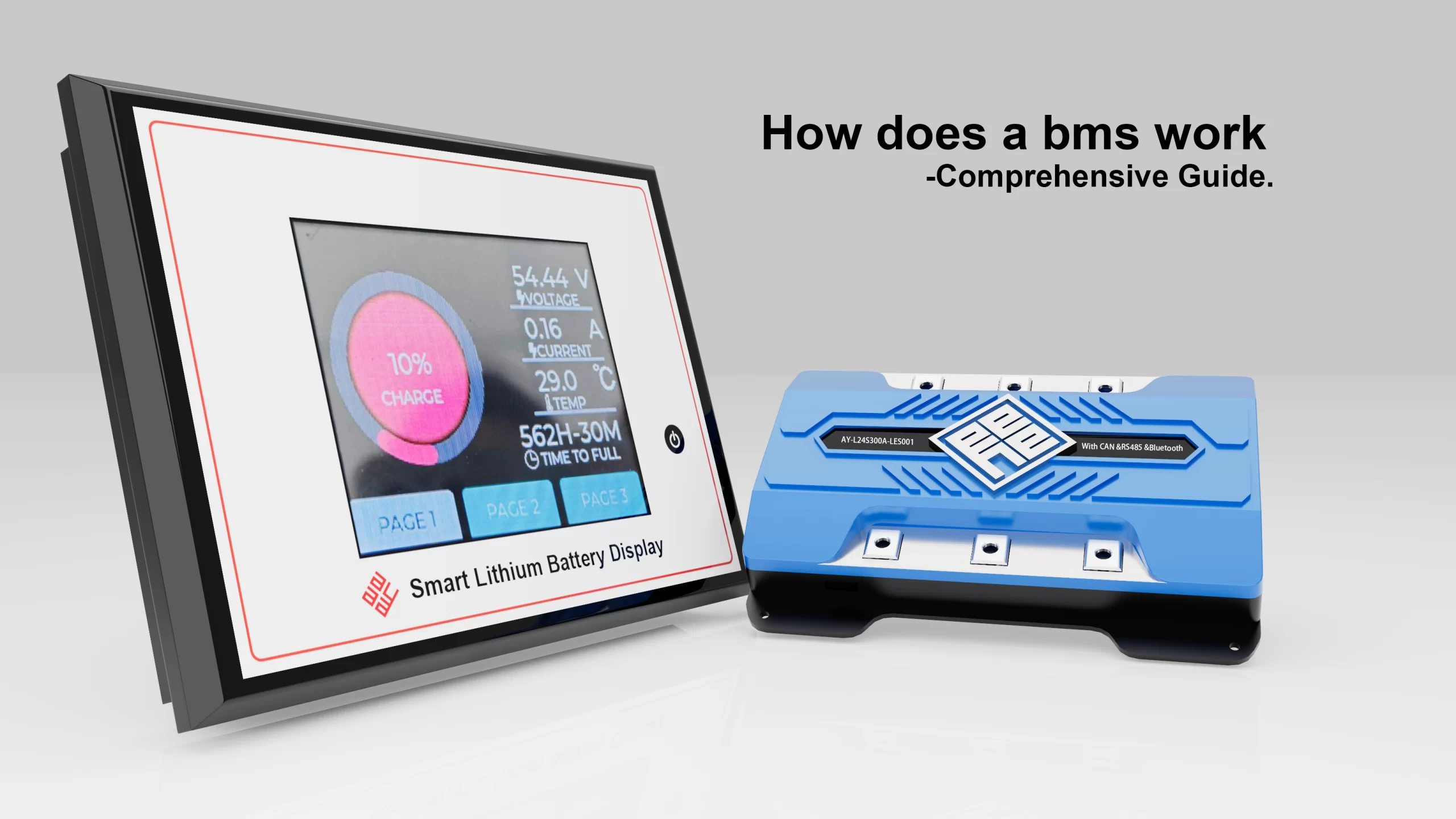
The most important part of a lithium ion marine battery is the Battery Management System (BMS).
It ensures that the chemical cells never operate in hazardous areas by serving as the electronic captain.
1.Overcharge and Discharge Protection: The BMS prevents a charger from pushing the lithium ion battery cells beyond their safe limit and cuts off power before the battery is drained to a damaging level.
2.Cell Balancing: It ensures that all internal cells within the lithium ion battery stay at the same voltage, maximizing the usable energy and preventing “hot spots” that lead to failure.
3.Short-Circuit Isolation: In the event of a wiring fault or water ingress, the BMS can disconnect the lithium ion battery in microseconds, preventing catastrophic fires or equipment damage.
4.Thermal Management: If the engine room becomes too hot or if cells drop below freezing during charging, the BMS will pause current flow to protect the lithium ion battery.
How to Properly Use and Maintain Your Marine Battery System?
Even though a lithium ion battery is low-maintenance, following specific operational protocols will ensure it reaches its maximum 10-year lifespan.
1.Avoid Absolute Deep Discharge: While lithium is robust, consistently draining the lithium ion battery to 0% puts unnecessary stress on the cells; try to recharge when you reach 10%.
2.Correct Charging Habits: Lithium does not suffer from “memory effect,” so you can top off your lithium ion battery at any time without reducing its total capacity.
3.Use a Dedicated Lithium Charger: Traditional lead-acid chargers may have “desulfation” modes that can damage the BMS of a lithium ion battery; always use a CC/CV charger profile.
4.BMS Awareness: If your lithium ion battery features Bluetooth monitoring, check the app periodically to ensure all cells are balanced and the internal temperature is healthy.
●Environment Dryness: While most are sealed, keeping the lithium ion battery in a dry, ventilated compartment prevents terminal corrosion and extends the life of the internal electronics.
●Avoid Extreme Temperatures: Store your lithium ion battery in a cool area.
Lithium chemistry degrades faster when exposed to constant heat above 45°C.
●Stable Storage Environment: When storing for the winter, keep the lithium ion battery at 50% to 80% charge.
Never store a lithium battery at 100% or 0% for long periods.
●Manufacturer Recommendations: Always follow the specific torque settings for terminals and the recommended charging voltages provided by the manufacturer of your lithium ion marine battery.
Navigating the Future of High-Efficiency Maritime Energy
The modern mariner’s independence, performance, and safety have all significantly improved with the switch to a lithium ion marine battery system.
Vessel owners can overcome the significant constraints of legacy technology by combining high-energy density with the proactive protection of an intelligent BMS.
The lithium ion marine battery offers the dependability needed for the most challenging saltwater conditions, whether it is supporting a complete house bank for a transoceanic sailor or operating a stealthy trolling motor for a professional angler.
The emphasis is still on technical accuracy as the maritime industry embraces electrification, making sure that every journey is driven by a system that is both robust and intelligent.
Achieving Maritime Excellence with Ayaa Technology
At Ayaa Technologies, we think that your equipment cannot malfunction when you are offshore.
A1:With 50% less weight, a ten-fold longer lifespan, and faster charging than lead-acid batteries, lithium batteries—more especially, LiFePO4—are great for marine applications.
They last longer, deliver a steady voltage, and are more adept at managing deep discharges.
They do, however, need compatible charging methods and greater initial expenses.
Q2:Which is better Li polymer or Li ion battery?
A2:Liquid electrolytes are used in rigid casings in lithium-ion (Li-ion) batteries, which are perfect for computers and electric cars because they have a higher energy density, are less expensive, and last longer.
Although they are more costly and delicate, lithium-polymer (LiPo) batteries use gel/solid electrolytes in flexible pouches, enabling thinner, lighter, and unique designs ideal for wearables and drones.
Q3:Will my boat alternator charge a lithium battery?
A3:Lithium (LiFePO4) batteries can be charged using a boat alternator, but in order to do it safely and efficiently, a DC-to-DC converter is typically needed.
Because lithium batteries require a lot of electricity, a direct connection may cause the alternator to overheat and burn out or harm components in the event that the battery’s Battery Management System (BMS) abruptly shuts down.
Q4:Is switching to lithium batteries on a boat worth it?
A4:Lighter: Compared to lead acid batteries, lithium batteries are roughly one-third lighter and can save weight by hundreds of pounds, which is significant on a boat.
Long Lifespan: Since lithium batteries often last ten years, they are incredibly affordable for sailors who want to spend ten years or longer on their yacht.
Q5:Are there any disadvantages to lithium boat batteries?
A5:Although they are more costly and necessitate extra handling and safety measures, lithium-polymer batteries have a little higher energy density than Li-Ion batteries.
Although they are less frequently used in maritime environments, they might be taken into consideration for particular uses.