Battery Temperature Monitoring for Renewable Energy Storage: Trends and Insights
2805
Battery Temperature Monitoring for Renewable Energy Storage: Trends and Insights
Battery temperature monitoring has become essential for safe, dependable, and long-lasting battery operation as renewable energy systems continue to expand throughout homes, businesses, and utility grids.
Thermal stability is a crucial component that affects the effectiveness, security, and performance of battery packs in solar storage systems, microgrids, and electric vehicles (EVs).
We examine the foundations and prospects of battery temperature monitoring, including its function, system architecture, uses, and the most recent developments in technology, particularly in relation to renewable energy storage.
We’ll also go over how battery management systems and sophisticated monitoring tools can help with this advancement.
1. Why Battery Temperature Monitoring Matters
What is Battery Temperature Monitoring?
The process of continuously taking real-time measurements of a battery’s or battery pack’s internal and external temperatures is known as battery temperature monitoring.
Particularly in high-capacity applications like energy storage systems (ESS), it is crucial in preventing thermal runaway, overheating, deterioration, and system failure.
The Limitations of Traditional Battery Monitoring
Thermal gradients between several cells or modules are frequently overlooked by traditional battery monitoring techniques.
Hotspots could develop unnoticed in the absence of active battery temperature monitoring, resulting in a shorter lifespan or catastrophic failure.
The Benefits of Advanced Monitoring
Improved Safety: It is possible to detect temperature irregularities before they cause a fire or shutdown.
Extended Lifespan: Batteries operate within optimal thermal windows, reducing stress.
Better Performance: Monitoring enables precise control over charge/discharge cycles.
Smart Analytics: When integrated with AI, monitoring systems can predict degradation trends.
2. Structure and Working Principle of Battery Temperature Monitoring Systems
A. System Components
The following components are commonly found in a strong battery temperature monitoring system:
Temperature Sensors: Installed on or near cells to track surface or internal temperatures.
Data Acquisition Module: Converts analog thermal readings into digital signals.
Communication Module: Enables real-time data transmission via CAN, UART, or RS485.
Control Unit: Analyzes temperature data and executes response logic or alarms.
B. Working Principle
Real-time Sensing: Temperature sensors detect thermal changes across battery modules.
Signal Processing: The acquisition module digitizes the readings.
Analysis: The control unit compares readings against thresholds using preloaded algorithms.
Action: If temperature exceeds safe limits, protective mechanisms are triggered—e.g., shutoff or cooling system activation.
Consistent battery temperature monitoring is ensured by this clever procedure, promoting energy storage applications’ efficiency and safety.
3. Applications in Renewable Energy Storage
1. Solar ESS (Energy Storage Systems)
Battery temperature monitoring is essential in solar-powered systems.
Under strong sunlight, it guarantees that the battery bank stays within safe temperature bounds, particularly during peak charge cycles.
Efficient monitoring optimizes solar power storage efficiency and guards against cell degradation.
2. Grid-Tied & Off-Grid Systems
Battery temperature monitoring allows safe load balancing and guards against ambient temperature fluctuations in commercial battery banks and residential energy storage systems.
It is very useful in isolated or harsh settings.
3. Portable & Mobile Energy Units
Compact battery temperature monitoring devices are essential for protecting transportable or trailer-based renewable energy systems during operation and transportation, such as those utilized in field research or rural electrification.
4. Future Trends in Battery Temperature Monitoring
A. Modular Monitoring Architecture
Monitoring needs to be adaptable as systems grow.
Large battery installations can benefit from improved fault isolation and temperature zoning thanks to distributed sensor nodes and decentralized control units.
B. AI Integration
AI/ML algorithms are being incorporated into modern systems more and more to forecast heat accumulation and dynamically optimize cooling or charging plans.
Because of this, battery temperature monitoring can be both predictive and preventive.
C. Eco-Friendly Design
Innovation is also fueled by sustainability.
Battery temperature monitoring systems are now in line with more general ESG objectives since materials used in sensors and circuit boards are chosen for their reduced environmental impact.
D. High-Accuracy Sensors
Thermal precision now reaches within ±1°C thanks to continuous advancements in NTC and digital sensors, guaranteeing extremely sensitive and responsive monitoring.
5. Shenzhen Ayaa Technology: A Leader in Smart Battery Monitoring
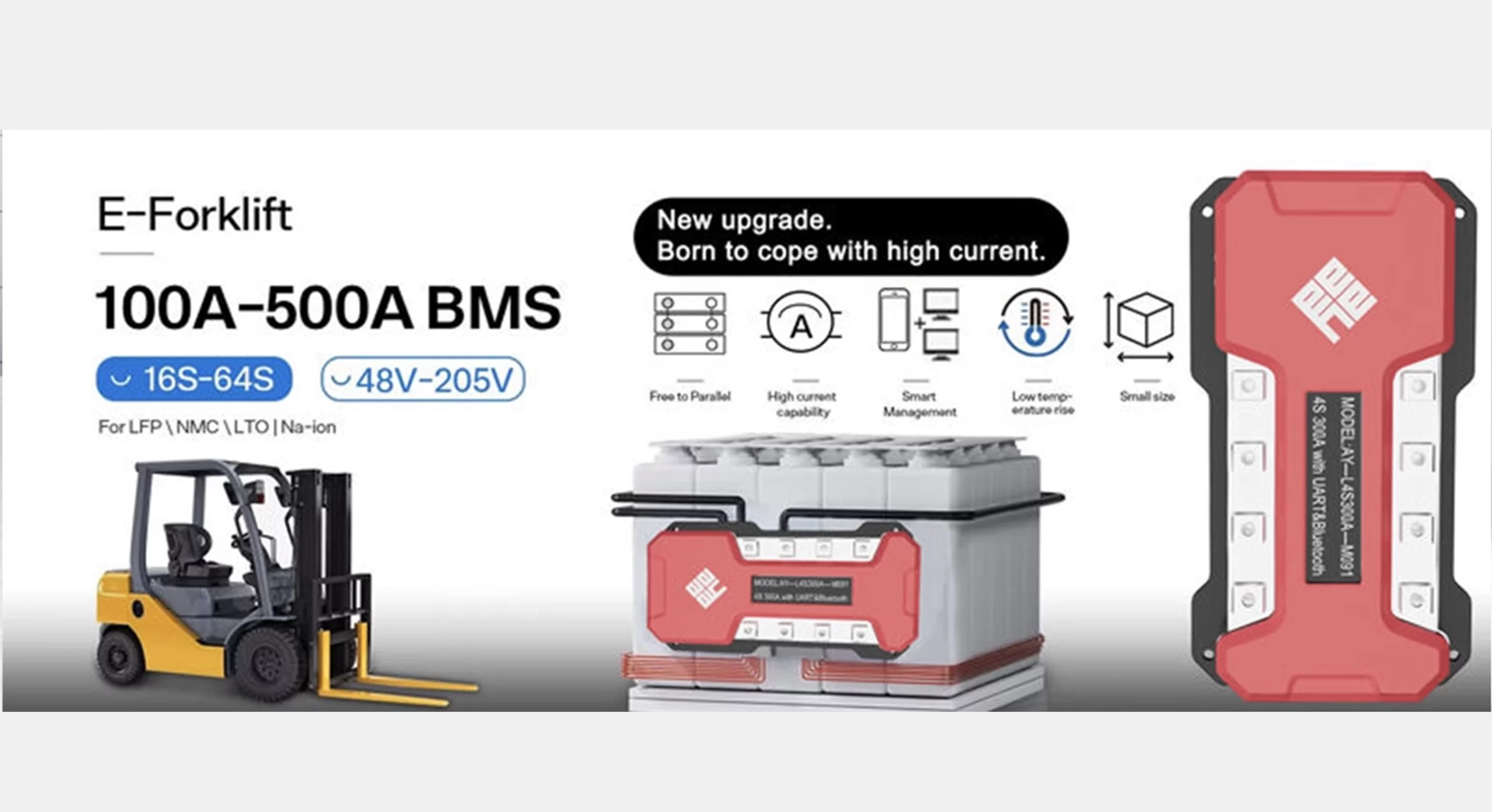
Shenzhen Ayaa Technology Co., Ltd. is a leader in battery management innovation, providing a full range of battery management systems with integrated battery temperature monitoring for a range of renewable applications.
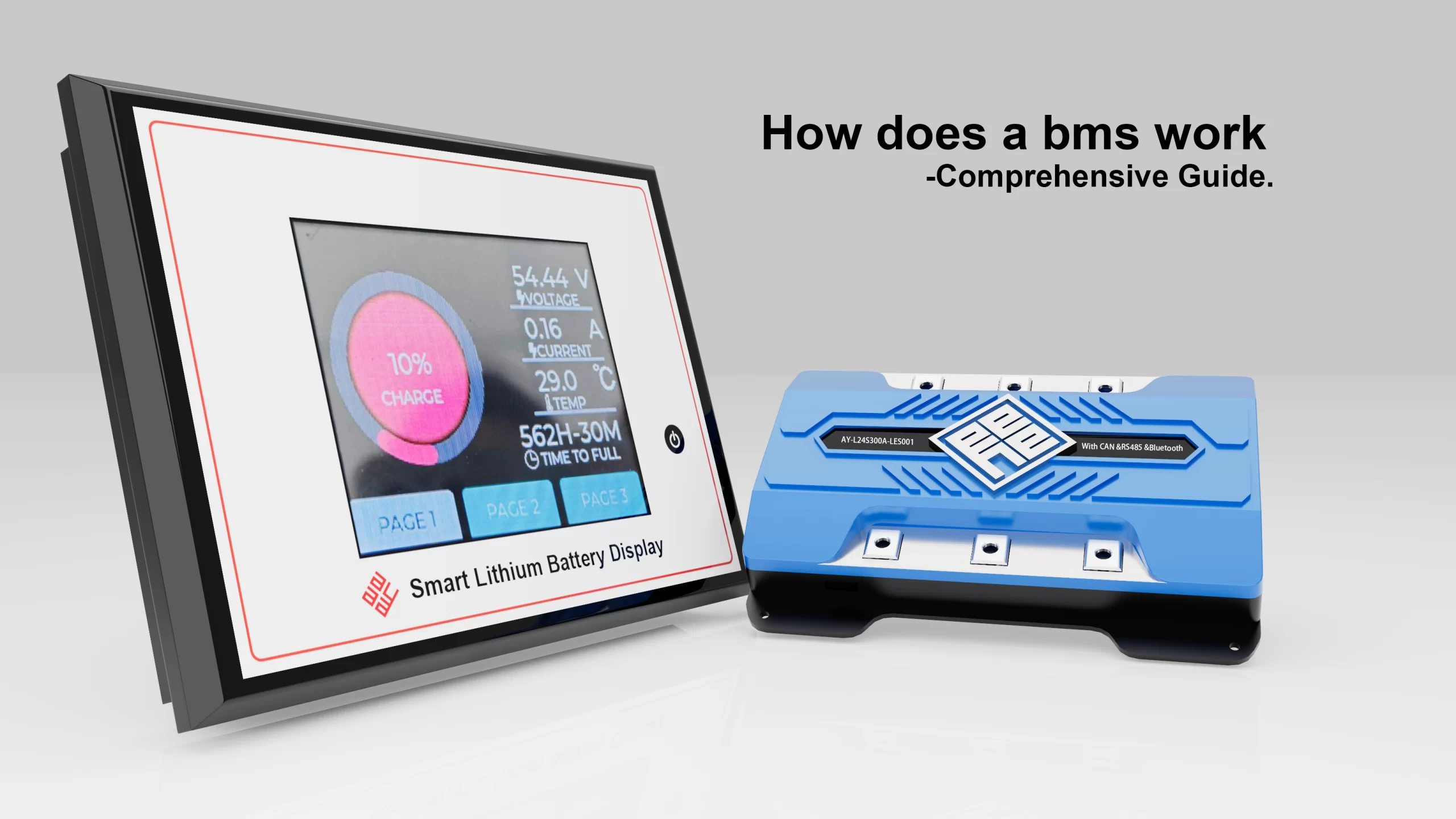
AY-L24S300A-ES001 (7S–24S)
For use with solar storage systems that require high voltage.
Accurate heat monitoring, CAN, RS485, and UART compatibility, and support for parallel configurations.
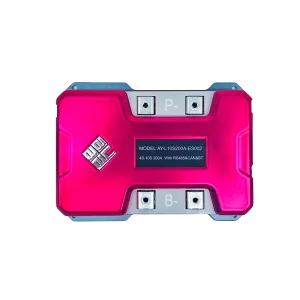
AY-L10S200A-ES002 (4S–10S)
Ideal for energy units that are small to medium in size.
Constructed with several communication protocols, temperature protection logic, and sturdy BMS material.
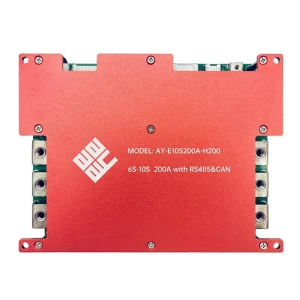
AY-LS10S200A-H200 (6S–10S)
This module, which focuses on sophisticated thermal monitoring, guarantees safe operation in situations including mobility and environmental sensitivity.
Operating between -40°C and +85°C, the voltage range is 25.2V to 42V.
Ayaa guarantees secure, effective, and long-lasting energy storage solutions by integrating intelligent battery temperature monitoring throughout these product lines.
Preguntas frecuentes
Q:How to monitor battery temperature?
A:In order to provide you with real-time temperature measurements, the simplest method installs a temperature sensor on the negative end of your battery.
Q:What happens when a battery temperature sensor goes bad?
A:When the sensor fails, the BCM receives inaccurate or erratic temperature readings.
The system may overcharge or undercharge the battery if the temperature data is inaccurate.
System voltage fluctuates as a result.
Q:How do I tell if my temperature sensor is bad?
A:What signs point to a malfunctioning temperature sensor?
1.temperature readings that be erratic or unreliable.
2.sluggish reaction to temperature variations.
3.continuous alerts for hot or low temperatures.
4.sudden system failures.
5.problems with process control.
6.higher usage of energy.
7.issues with product quality.
Why Battery Temperature Monitoring Is a Smart Investment
Battery monitoring is now necessary in a world where lithium-ion and LFP batteries are used more and more.
It is essential for maximizing energy systems’ performance, lifespan, and safety, particularly in renewable energy storage.
Integrating an accurate, AI-driven battery monitoring system is essential to future-proofing your energy investments, from protecting high-voltage solar banks to improving thermal control in EVs.
To support the sustainable energy transition, Shenzhen Ayaa Technology Co., Ltd is pleased to provide state-of-the-art BMS systems with integrated temperature intelligence.
We offer the resources to help you innovate, whether you’re creating an off-grid photovoltaic system, modernizing industrial storage, or developing smart transportation solutions.
Want to learn more?
Visit www.ayaatech.com to view our entire selection of BMS solutions, or get in touch with our engineers for personalized guidance on adding battery monitoring to your system right now.













 Español
  English
  日本語
日本語  Deutsch
  한국어
한국어  Français
  Italiano
  Русский
  Português
  العربية