Optimizing Battery Management with Reliable Communication Protocols in BMS Design
4298
Optimizing Battery Management with Reliable Communication Protocols in BMS Design
The battery management system communication protocol is essential to guaranteeing the safety, effectiveness, and intelligence of battery-powered systems in the rapidly changing energy landscape of today.
For system-wide optimization, efficient communication between the battery management system (BMS) and other control units is essential for anything from renewable energy storage systems to electric cars.
We will explore the importance of communication protocols in battery management system design, looking at its technical features and real-world uses while showcasing high-performing communication protocol solutions.
1. The Significance of Battery Management System Communication Protocols
The process by which a battery management system (BMS) communicates with other electronic control units, including user interfaces, energy management systems (EMS), and vehicle control units (VCUs), is known as a communication protocol.
Transmitting real-time data, such as fault status, temperature, current, voltage, state of charge (SOC), and state of health (SOH), depends on this communication.
BMS modules are unable to efficiently coordinate tasks like charging, discharging, thermal control, and protective shutdowns in the absence of a strong communication protocol.
Battery deterioration, decreased performance, or even safety risks like thermal runaway might result from communication breakdowns.
2. Advantages of Robust Communication Protocols in BMS
The following are the main advantages of contemporary battery management system communication protocol designs:
High Reliability: To guarantee data integrity, protocols like RS485 and CAN (Controller Area Network) provide error detection and correction features.
Interoperability: Supporting protocols like UART, LIN, and SMBus enables the BMS to integrate seamlessly with various control systems.
Security: Encryption and access control protect critical data from unauthorized access and potential cyber threats.
Scalability: Enables integration with cloud platforms for remote monitoring and OTA (Over-The-Air) firmware upgrades.
Real-time Performance: Fast, consistent communication supports millisecond-level response times critical for dynamic systems like EVs.
Because of these benefits, any high-performance energy system must take the battery management system communication protocol into account when designing.
3. Typical Protocols Used in BMS Design
The needs of the application determine which communication protocol is best for the battery management system:
DÜRFEN: Widely used in electric vehicles due to its robustness, error handling, and high-speed data transmission.
RS485: Ideal for industrial energy storage and solar applications, especially in noisy environments or long-distance communication.
UART: A simple and cost-effective option for low-speed communication in small devices like drones or portable tools.
SMBus/I2C: Typically used in compact applications such as laptops or consumer electronics.
Our BMS solutions at Shenzhen Ayaa Technology Co., Ltd. support a variety of communication protocols, guaranteeing interoperability with a broad range of system designs and end-user needs.
4. Product Applications Across Industries
The importance of choosing the right battery management system communication protocol becomes evident across various application sectors:
Safe acceleration, braking, and charging are made possible via a dependable protocol that guarantees the BMS transmits real-time data, such as SOC and temperature, to the VCU.
Energy Storage Systems (ESS)
Grid balancing, demand response, and storage optimization are made possible by the BMS relaying energy measures to EMS platforms via protocols like RS485 or CAN.
Smart Grids
In order to integrate distributed energy storage into smart grids and enable data gathering and energy redistribution, the battery management system communication protocol is essential.
Portable Electronics
Lightweight communication alternatives like SMBus or UART provide the data needed to improve device safety and user experience in drones or medical devices.
5. Industry Trends in BMS Communication Protocols
The way that communication protocols are used in battery systems is changing as a result of emerging technology:
AI-Powered BMS: Advanced BMS designs are adopting machine learning algorithms that require high-speed data exchange and low-latency communication.
Cloud Connectivity: Integration with IoT platforms demands secure and scalable communication channels.
Standardization Efforts: Industry bodies are working toward universal communication standards to ensure cross-platform interoperability.
Therefore, the emergence of battery management system communication protocol is more than just a technical advancement; it’s a doorway to energy ecosystems that are safer, smarter, and more interconnected.
6. How Ayaa Technology Elevates BMS
Communication Design
At Shenzhen Ayaa Technology Co., Ltd., we understand that dependable communication is essential to battery systems that operate well.
Our BMS systems are made to satisfy the most exacting specifications in portable devices, renewable energy, and electric vehicles.
Here are three flagship products showcasing how we integrate versatile battery management system communication protocol support:
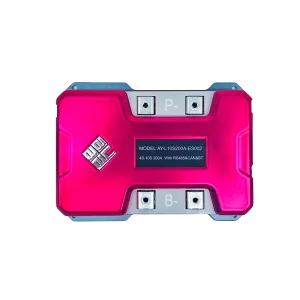
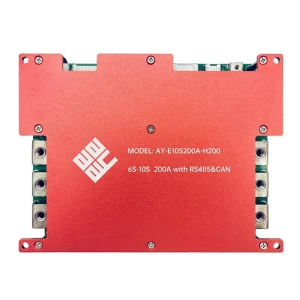
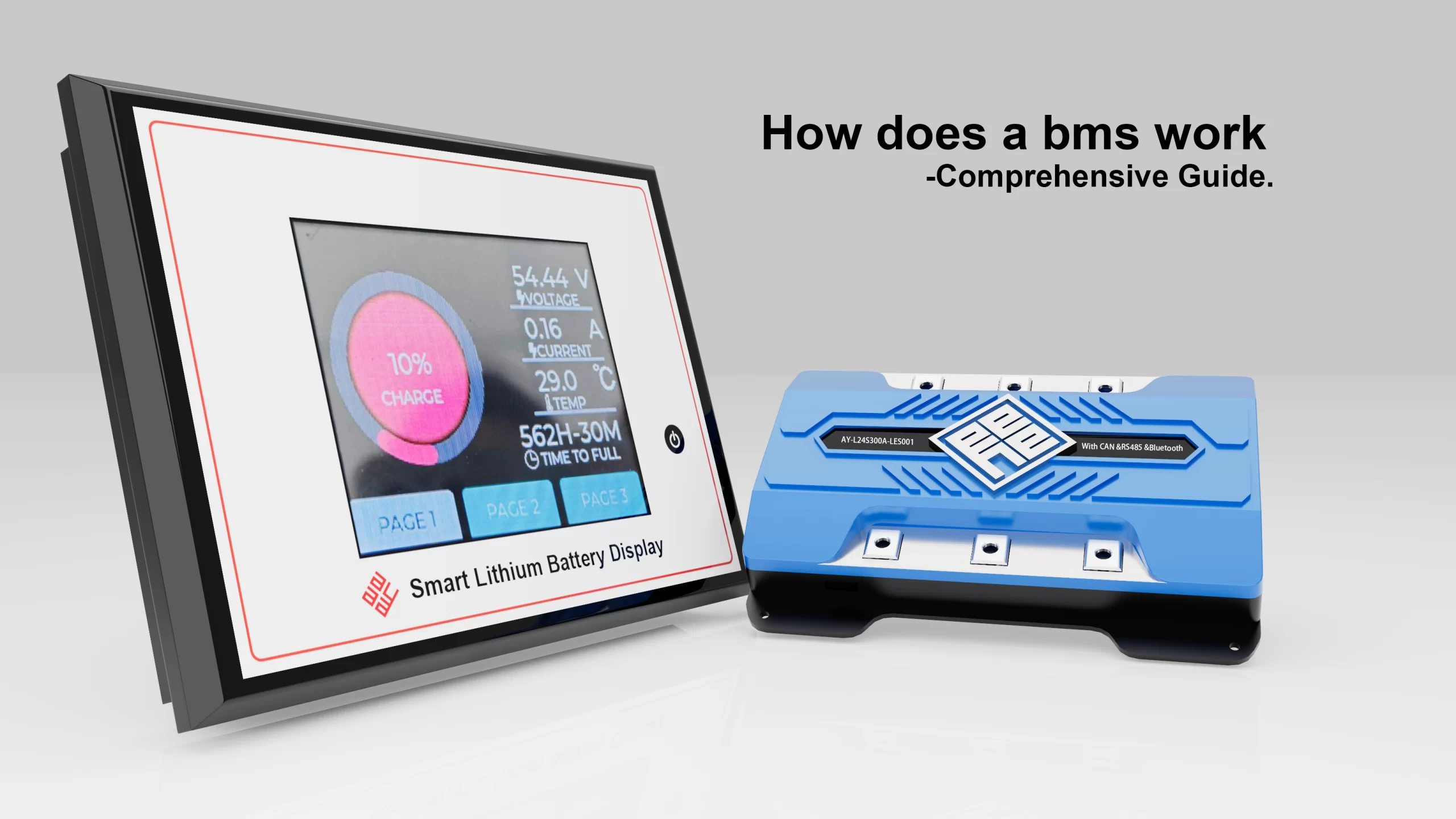
AY-L24S300A-ES001 (7S–24S)
Protocol: Supports CAN and UART.
Highlight: Parallel support for larger energy demands.
Use Case: Electric vehicle batteries and high-capacity storage systems.
AY-L10S200A-ES002 (4S–10S)
Protocol: Compatible with RS485, CAN, UART.
Highlight: Excellent thermal design and flexible communication.
Use Case: E-mobility applications and modular ESS setups.
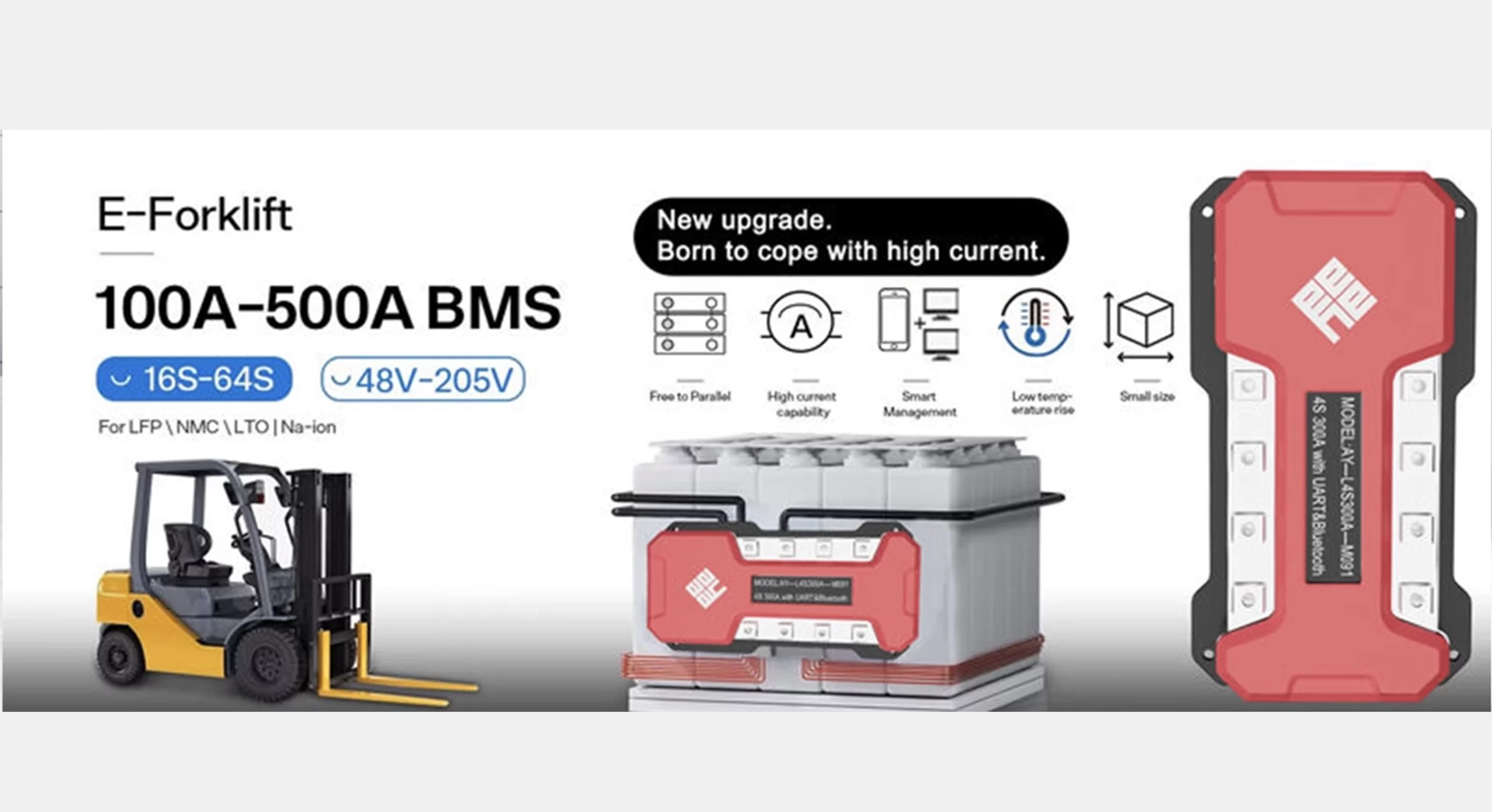
Use Case: Jetboards, smart scooters, and other performance-intensive devices.
To guarantee data transmission accuracy, electromagnetic compatibility, and long-term durability in challenging environmental circumstances, all of our products go through extensive validation.
7. Choosing the Right Communication Protocol for Your BMS
Data speed, dependability, and system compatibility must all be balanced while choosing the best communication protocol for battery management systems. Think about the following:
Application Scale: Use CAN for automotive-grade solutions, UART for small electronics.
Environment: Choose RS485 for noisy or industrial environments.
Integration Needs: Ensure compatibility with existing controllers and platforms.
Security Requirements: Evaluate whether encryption or authentication is needed.
At Ayaa Technologies, our technical staff offers expert advice to assist customers in selecting and putting into practice the best protocol for their particular requirements.
8. Power Your Innovation with Smart Communication
In contemporary energy systems, the battery management system communication protocol is more than simply a connector; it is a vital component that makes safety, performance, and intelligence possible.
The need for dependable communication in BMS will only increase as electrification spreads throughout consumer electronics, storage, and transportation.
We at Shenzhen Ayaa Technology Co., Ltd. set the standard for intelligent, adaptable, and cutting-edge BMS systems.
Our BMS modules offer strong communication protocols to help you succeed whether you’re creating scalable storage systems, making portable smart devices, or creating the next generation of electric vehicles.
FAQ
Q:What are the communication protocols in BMS?
A:CAN, Modbus, I2C, SPI, and a number of other protocols are examples of such protocols.
These protocols make it simple to communicate between different components and systems by offering cross-compatibility and interoperability.
Q:What are the three types of communication protocols?
A:There are various types of intersystem protocols, including:
Universal Asynchronous Transmitter and Receiver, or UART Protocol.
It has two wired protocols and is a serial communication protocol.
Universal Synchronous and Asynchronous Transmitter and Receiver, or USART Protocol.
USB stands for Universal Serial Bus protocol.
Q:How to choose a communication protocol?
A:The protocol’s compatibility with your platforms and devices should be your first consideration.
Verify that the protocol can accommodate your application’s hardware and software needs, including those related to the operating system, programming language, memory, processor, and interface.
Ready to optimize your battery management system with reliable communication protocols?
Contact Shenzhen Ayaa Technology Co., Ltd. today to explore our full line of BMS products and custom engineering services.