How to Extend Flight Time and Reduce Costs with Agriculture Drone Battery Management
768
How to Extend Flight Time and Reduce Costs with Agriculture Drone Battery Management
Drones are no longer a novelty in contemporary precision agriculture; they are already indispensable instruments for field mapping, crop monitoring, and spraying.
The agriculture Drohne battery, which controls flight time, cargo capacity, and operating dependability, is essential to its effectiveness.
Inadequate battery management can result in shorter flying times, higher expenses, and potentially safety risks.
Proper charging procedures, regular maintenance, and the incorporation of a Battery Management System (BMS) are all necessary for effective agricultural drone battery management in order to safeguard the battery, maximize energy consumption, and prolong lifespan performance.
Gaining an understanding of these concepts can significantly increase operational effectiveness while reducing overall expenses for agricultural businesses.
How Can You Maintain the Cycle Life of an Agriculture Drone Battery?
Proper maintenance is the foundation of maximizing battery longevity and flight efficiency.
Should Batteries Be Regularly Inspected?
Frequent inspections aid in spotting wear or damage early on.
Check for loose connections, corrosion, or swelling.
Frequent inspections stop unanticipated malfunctions during flight.
How Should the Battery Surface Be Cleaned?
Wipe the outside of the battery with a dry towel.
Dust, moisture, and chemical residues that can contaminate electrical contacts are eliminated in this way.
Steer clear of water and harsh chemicals that could harm the battery case.
Why Should You Charge Only When the Battery Is Cool?
Chemical deterioration can be accelerated by charging a battery right away after usage while it’s still hot.
To extend cycle life, let the battery cool to ambient temperature before charging.
Why Avoid Direct Sunlight Exposure?
The temperature and internal pressure of batteries are raised by excessive solar heat.
Battery performance is maintained and heat stress is avoided by keeping them in a cool, shaded place.
How Does Installing a BMS Help?
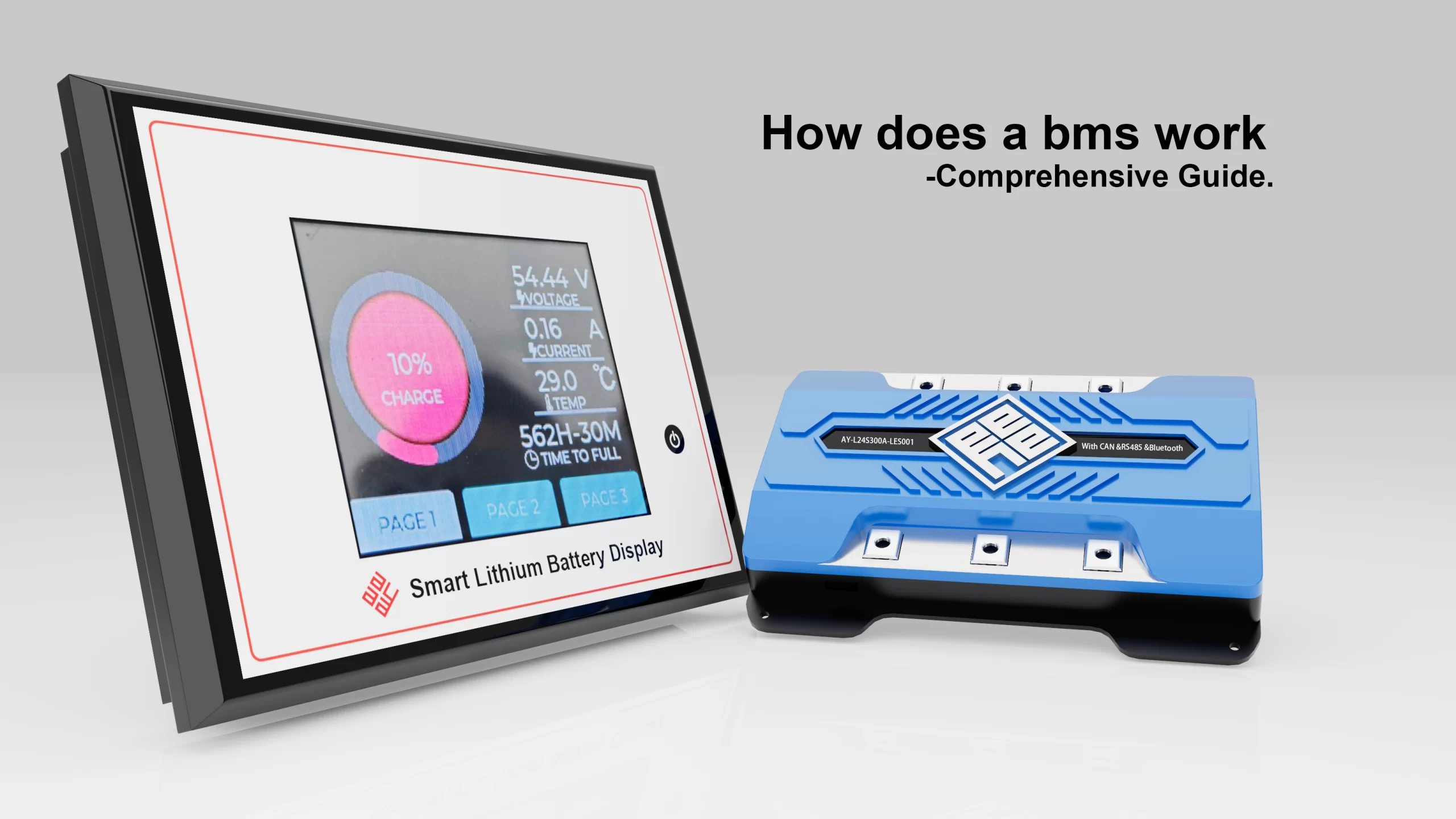
A BMS keeps an eye on temperature, voltage, and current.
It guarantees that every battery cell functions within safe bounds by preventing overcharging, overdischarging, and thermal runaway.
For agricultural drone operations to remain safe and preserve battery cycle life, BMS integration is essential.
What Should You Do in Case of an Agriculture Drone Battery Emergency?
Even with careful management, emergencies can occur.
Knowing the correct protocol reduces risk.
Should the Drone Be Powered Off Immediately?
Yes. Cutting off the power source prevents further electrical activity that could worsen the situation.
How Should a Damaged Battery Be Handled?
Remove any burnt or swollen battery carefully.
Use protective gloves and tools, and avoid direct contact with the damaged cells.
Is Covering the Battery With Asbestos or Fire Blanket Necessary?
Yes. Covering a malfunctioning battery helps contain flames and heat.
Do not use a dry powder extinguisher, as it can react with lithium cells.
What Fire Suppression Methods Are Safe?
A carbon dioxide (CO₂) extinguisher is the recommended choice for battery fires.
It reduces oxygen supply without causing harmful chemical reactions.
How Can You Extend Flight Time and Reduce Battery Costs?
Optimizing battery use improves both efficiency and cost-effectiveness.
How Does Flight Time Relate to Battery Management?
The battery capacity, UAV load, and discharge rate all affect how long a flight lasts.
Consistent energy delivery from each pack is ensured by proper battery rotation and monitoring.
Why Does Proper Maintenance Lower Costs?
Batteries that are maintained in accordance with specified cycles experience less premature degradation and require fewer replacements.
Additionally, routine BMS monitoring guards against damage from overcharge or overdischarge.
Should You Rotate Multiple Batteries?
Yes. Using multiple batteries in rotation reduces the depth of discharge on each pack, prolonging overall lifespan and ensuring maximum energy output for each flight.
How Does BMS Enhance Efficiency?
The BMS controls temperature, avoids voltage dips, and balances individual cells.
Optimized energy consumption is ensured by balanced and shielded cells, extending flight time and lowering operating expenses.
How Does BMS Impact Agriculture Drone Battery Performance?
A BMS is the central nervous system of modern UAV battery packs.
Cell Voltage Balancing: Ensures each cell is equally charged, preventing weak-cell bottlenecks.
Temperature Monitoring: Protects against overheating during high-current discharge.
Overcharge & Over-discharge Protection: Prevents chemical degradation and safety hazards.
Echtzeitüberwachung: Provides actionable data for flight planning and maintenance scheduling.
BMS integration allows agricultural operations to confidently extend flight duration, reduce downtime, and optimize total cost of ownership.
What Are the Best Practices for Battery Charging and Operation?
How Should Charging Be Performed?
Use a compatible charger with the recommended charge rate.
Monitor battery voltage and temperature during charging.
Charge in a stable environment at room temperature, avoiding direct sunlight or heat sources.
How Should Safety Checks Be Conducted?
Inspect batteries for cracks, swelling, or leaks.
Clean contacts with 95% alcohol to ensure efficient electrical connection.
Verify secure installation in the UAV before each flight.
How Can Drone Battery Management Improve Operational Efficiency?
Use reliable chargers to prevent overvoltage or overcurrent.
Consider environmental conditions such as ambient temperature and humidity.
Store batteries properly when not in use.
Plan spraying and flight missions efficiently to optimize energy consumption.
Maximizing Agriculture Drone Battery Life and Performance Through Smart Management
Maintaining operational safety, cutting expenses, and increasing flight duration all depend on the effective maintenance of agricultural drone battery.
Agricultural UAV operators can extend mission durations and lower energy consumption by implementing appropriate maintenance procedures, emergency protocols, flight optimization, and BMS integration.
Drones can operate dependably in a variety of agricultural conditions, guaranteeing both production and safety, by utilizing hochmodernes BMS technology and regulated battery procedures.
Ayaa Technology offers premium batteries, intelligent monitoring, and dependable performance for contemporary agricultural UAV operations, as well as full BMS-equipped systems and professional assistance in industrial drone battery management.
FAQ
Q1:What is the battery life of agricultural drones?
A1:Heavy-duty drones typically have a battery life of 20 to 30 minutes.
The longevity of agricultural drones is a complex issue that is influenced by several factors.
By choosing high-quality products and using and maintaining them appropriately, their lifespan can be extended.
Q2:Are agricultural drones worth it?
A2:With the ability to pinpoint specific areas of a field, a spraying drone can apply pesticides, fertilizer, or water with unparalleled precision.
This reduces the waste of expensive inputs and its negative effects on the environment.
Q3:What kind of battery is best for drones?
A3:Due to their strength and portability, LiPo batteries are the ideal choice for drones that require high energy density and rapid discharge rates.
Benefits: It is suitable for demanding applications due to its high power output (40, 50, or even 70 degrees Celsius).
Q4:How long do drone batteries usually last?
A4:On a single battery charge, most consumer drones on the market today can fly for 20 to 40 minutes.
Q5:Why do drones run out of battery so fast?
A5:Windy conditions force the drone’s motor to work harder, using up your battery power faster.
Humidity has similar effects, making your drone heavier.
If your drone is heavier, its battery will run out more quickly.