A Comprehensive Guide to 3.6 Volt Lithium Battery: From Fundamentals to Future Trends
3334
A Comprehensive Guide to 3.6 Volt Lithium Battery: From Fundamentals to Future Trends
In our increasingly digital world, the 3.6 volt lithium battery serves as the indispensable “energy heart” for countless electronic devices. From everyday gadgets like smart flashlights to sophisticated medical equipment, these compact yet powerful batteries are quietly transforming our lives. This article offers an in-depth exploration of the 3.6 volt lithium battery, covering its working principles, selection tips, maintenance practices, safe usage, and emerging technological trends. Whether you’re a casual user or a tech enthusiast, this guide provides practical and professional insights. We’ll also address environmental considerations, such as extending battery life and proper recycling, empowering you to leverage technology while contributing to sustainability.
What Is a 3.6 Volt Lithium Battery?
A 3.6 volt lithium battery is a type of lithium-ion or lithium-polymer battery with a nominal voltage of 3.6V, widely used in consumer electronics, industrial tools, and medical devices. It offers high energy density, low self-discharge, and excellent thermal stability. Common formats include cylindrical (e.g., 18650), prismatic (polymer pouch), and coin (e.g., CR123A).
Why Is the Voltage 3.6V?
The 3.6V nominal rating stems from the electrochemical behavior of lithium cells. Fully charged: 4.2V; nominal during discharge: 3.6V; cutoff: 3.0V. This balance enables long runtime and safe usage for portable applications.
How Does It Work?
During charging, lithium ions move from cathode to anode. During discharge, ions flow back, generating usable electrical energy. A separator, electrolyte, and protection circuit manage flow, prevent short-circuits, and maintain safety.
Why Choose a 3.6V Lithium Battery?
High energy density: 2–3x NiMH.
Low self-discharge: ~2%/month.
Wide temp tolerance: -20°C to 60°C.
Long cycle life: 500–1000+ cycles.
Understanding Capacity and Runtime
Battery capacity in mAh impacts how long it powers a device. Factors like load power, ambient temperature, and cutoff thresholds influence actual runtime. Tips: match battery to device demand, avoid deep discharge.
Common Applications
Consumer: flashlights, cameras, laser pointers
Medical: portable monitors, pulse oximeters
Industrial: smart meters, power drills
Working with BMS
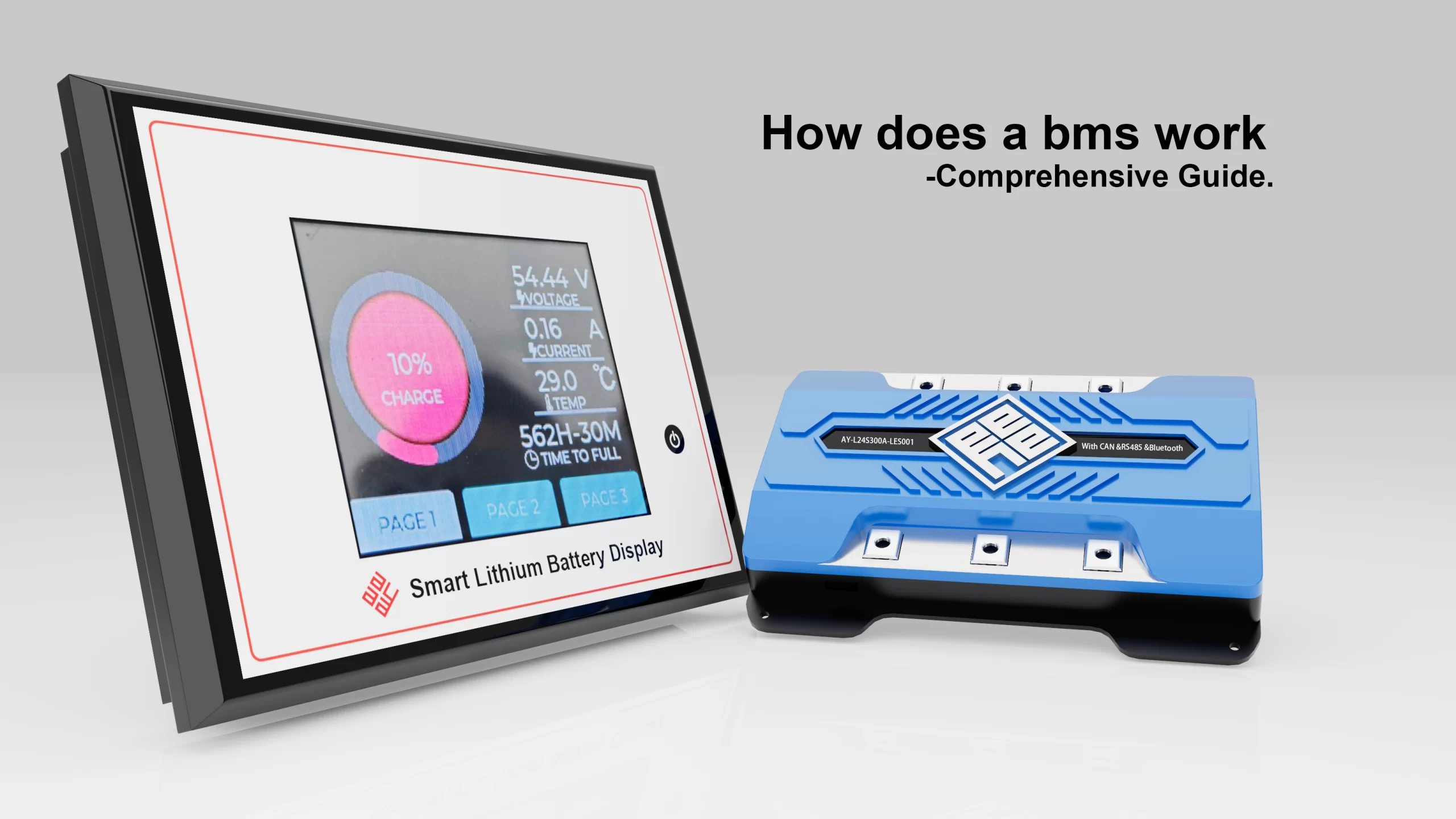
A Battery Management System (BMS) ensures safe charging, balances cells, monitors temperatures, and prevents short-circuits. A BMS also estimates State of Charge (SOC) and State of Health (SOH) to prolong battery life.
Proper Charging Tips
Use dedicated lithium chargers (4.2V max)
Avoid charging in extreme temps or while in use
Charge to 80–90% to extend life; disconnect when full
Maintenance for Long Life
Clean contacts with alcohol
Avoid shocks or punctures
Store at 40–60% charge between -10°C to 25°C
Self-Discharge & Storage
Even idle, the battery loses 1–3% monthly due to internal chemical reactions. Use anti-static bags, store in dry, cool areas. Cycle charge every 6 months for long-term storage.
Safety Guidelines
Never puncture or expose to water or fire
Stop using swollen or overheating batteries
Use certified models and original chargers
FAQs
Can 3.6V replace 3.7V? Yes, nominal difference is negligible.
Why isn’t my new battery fully charged? Shipped at 30–50% for safety.
Can I use a swollen battery? No. Recycle immediately.
Cold temp performance? Use insulated wraps or pre-warm battery.
End of life signs? Rapid voltage drop, overheating, <60% capacity.
How to Choose the Right 3.6V Battery
Determine required capacity (e.g., 1000mAh for flashlights).
Choose reputable brands (Panasonic, EVE, CATL).
Check certifications (CE, UL, IEC) and warranties.
Future Trends
Silicon anodes: +30% energy density
Solid-state electrolytes: safer, longer life
Smart BMS: AI-based health prediction, NFC scanning
Disposal and Recycling
Never throw in regular trash. Fully discharge, take to e-waste collection sites or recycling programs. Recovered lithium and cobalt support circular economy and reduce mining impact.
Schlussfolgerung
The 3.6V lithium battery is compact, efficient, and ideal for modern portable electronics. With proper care, BMS integration, and future-ready features, it continues to power innovation while supporting sustainability efforts.