Choosing the Right UAV Battery: What Factors Really Matter?
776
Choosing the Right UAV Battery: What Factors Really Matter?
Choosing the best طائرة بدون طيار battery is essential for attaining the best flight performance, dependability, and safety in the quickly developing drone market of today.
Your choice of battery has a direct impact on flight duration, payload capacity, and overall operational efficiency, regardless of whether you use الطائرات بدون طيار for business inspection, agricultural applications, or industrial logistics.
Extended service life, decreased downtime, and safer operations are guaranteed when a dependable Battery Management System (BMS) is paired with a well selected UAV battery.
What Is a UAV Battery?
All of a drone’s electrical systems, including its motor, sensors, cameras, and communication modules, are powered by a UAV battery.
The majority of contemporary UAV batteries are built using lithium-ion or lithium-polymer chemistries, which are renowned for their high energy density, portability, and quick charging times.
The voltage, capacity, discharge rate, and weight of the battery all have a significant impact on a UAV’s performance.
Drone operators need to be aware of these aspects.
Reduced flying duration, a higher chance of overheating, and even harm to the drone’s electronic systems can result from a mismatched battery.
Furthermore, operators might not notice problems like cell imbalance or a rise in internal resistance without adequate battery monitoring, which could jeopardize performance and safety.
Why uav battery Type Matters
Lithium Polymer (LiPo) vs Lithium Ion (Li-ion) vs NiCd
When selecting a UAV battery, it’s important to compare different chemistries:
Lithium Polymer (LiPo): provides adjustable form factors, lightweight construction, and high discharge rates.
Drones that need to move quickly and have short power bursts are best suited for LiPo batteries.
But in order to keep an eye on temperature and voltage during high-demand operations, they need a reliable BMS.
Lithium Ion (Li-ion): renowned for having a longer cycle life and a high energy density.
Drones that require longer flying periods at moderate power output are a good fit for Li-ion batteries.
Their extended operational endurance frequently compensates for their slightly higher weight.
Nickel-Cadmium (NiCd): Compared to contemporary lithium-based batteries, older technology has a lower energy density, is heavier, and performs worse.
Though uncommon in modern drones, outdated systems may still employ it.
Each type offers different advantages depending on the drone’s intended use, payload, and flight duration requirements.
How to Determine the Right Capacity and Voltage
The voltage (V) and capacity (mAh) of a UAV battery are the most important characteristics.
While capacity directly affects flight duration, voltage controls the power output available for motors and onboard electronics.
Voltage Selection: Adapt the battery voltage to the needs of the drone’s electronic system and engine.
Circuits can be damaged by overvoltage, and thrust and stability can be decreased by undervoltage.
Capacity Selection: Longer flights are made possible by higher capacity, although efficiency may suffer due to increased battery weight.
Drone payload and mission profile should be balanced with capacity.
Optimal performance is not guaranteed by a high-capacity battery alone.
An integrated BMS makes sure that every cell is protected and balanced, increasing useful capacity without sacrificing safety.
Understanding Discharge Rate and C-Rating
Another important factor is the discharge rate, often represented by the C-rating.
This indicates how quickly a battery can safely deliver its stored energy.
High-C-rating batteries are necessary for drones performing aggressive maneuvers or carrying heavy payloads.
Low-C-rating batteries may provide longer total energy but cannot sustain high current draw without voltage drops.
A sophisticated بي إم إس monitors the discharge current and protects against overcurrent events, preventing battery damage and potential flight failure.
Weight, Size, and Form Factor Considerations
Drone performance is also influenced by the physical attributes of the UAV battery:
وزن: A heavier battery increases overall drone mass, affecting flight time, agility, and energy consumption.
حجم: Must fit within the drone’s battery compartment while allowing proper airflow for thermal management.
Form Factor: Modular or flexible batteries can optimize space and improve weight distribution.
ال بي إم إس plays a crucial role here, managing temperature and ensuring safe operation even in tightly packed battery configurations.
Battery Management System (BMS) Importance
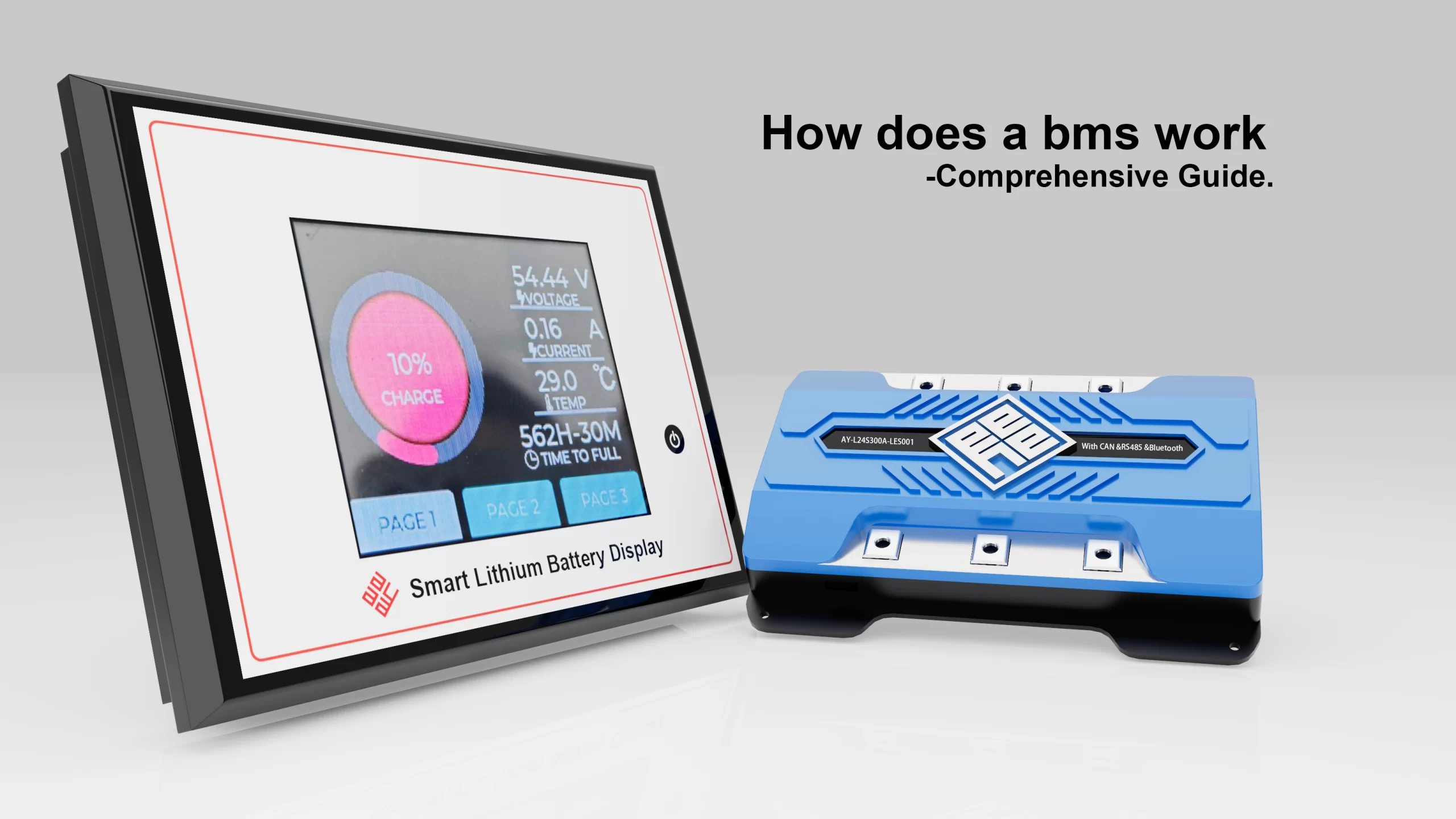
A بي إم إس is indispensable for modern UAV battery systems. It monitors voltage, current, temperature, and state-of-charge for each cell. Key benefits include:
موازنة الخلايا: Ensures all cells discharge and charge evenly, extending battery lifespan.
Overvoltage and undervoltage protection: Prevents damage to cells and electronics.
Thermal management: Monitors temperature to avoid overheating and thermal runaway.
اكتشاف الأعطال: Alerts operators to potential issues, enhancing flight safety.
Integrating a high-quality بي إم إس ensures that your UAV battery delivers consistent performance and reduces maintenance costs over time.
Flight Duration and Operational Efficiency
Flight duration and operational effectiveness are directly impacted by the type of UAV battery used.
Operators can choose a battery that meets the power needs of their drone and combine it with a functional BMS to:
Maximize endurance for longer inspection missions.
Reduce downtime due to unexpected battery failures.
Optimize payload delivery without sacrificing flight performance.
Drones may stay in the air for longer without sacrificing safety thanks to clever battery rotation made possible by proper battery selection and management.
Maintenance and Storage Tips
Maintaining your UAV battery is essential for longevity and safety:
Store batteries at a moderate temperature in a dry environment
Avoid overcharging or deep discharging below 20% of capacity.
Periodically check for swelling, leakage, or unusual heat during operation.
Update firmware or بي إم إس parameters as recommended by manufacturers.
These practices, combined with a reliable بي إم إس, preserve performance and prevent accidents during critical missions.
Future Trends in uav battery
Emerging technologies are shaping the future of UAV battery systems:
Higher energy density cells: Enabling longer flight times without additional weight.
Advanced BMS integration: Real-time data analytics for predictive maintenance.
Modular designs: Allowing flexible battery swaps and on-demand scaling for larger UAVs.
Alternative chemistries: Solid-state batteries may soon outperform traditional Li-ion and LiPo batteries, offering safer and more efficient solutions.
Investing in cutting-edge UAV battery technology today can future-proof drone operations and maintain competitive advantage.
Why Choose AYAA Technology?
In order to guarantee safe, effective, and long-lasting drone operation, choosing the best UAV battery now involves more than just capacity or voltage.
It also involves combining premium cells with sophisticated BMS systems.
Drone operators may increase flight endurance, lower operational risks, and complete missions more affordably by carefully evaluating chemistry, capacity, voltage, discharge rate, weight, and BMS integration.
Ayaa Technology offers a wide range of high-performance drone power systems that are intended to satisfy the requirements of contemporary aerial operations, including dependable UAV battery solutions and sophisticated BMS integration.
أسئلة متكررة
Q1:What is the best battery for a UAV?
A1:Because of their high energy density and portability, lithium polymer (LiPo) batteries are one of the most widely used options for UAVs.
These batteries are perfect for drones that need to fly for extended periods of time since they provide a strong weight-to-capacity ratio.
Q2:What is the difference between a drone and a UAV?
A2:Unmanned aerial vehicles, or UAVs, are technical terms for unpiloted aircraft, while “drone” is a more general term that is frequently used interchangeably, though it can also refer to unmanned systems on land or at sea.
In essence, all UAVs are drones, but not all drones are UAVs; “drone” is the common word for any uncrewed vehicle or the entire system.
While the term “drone” is frequently used in the media and by consumers to refer to anything from toy quadcopters to highly advanced military aircraft.
The term “UAV” highlights the aircraft itself and is utilized in professional and regulatory contexts.
Q3:What battery do most drones use?
A3:Below is a summary of the most often used drone batteries: Lithium polymer (LiPo):
Thanks to their energy density, LiPo batteries are extensively utilized and lightweight, making them perfect for applications requiring both power and agility.
Q4:What is the voltage of a UAV battery?
A4:Most drones are powered by 3.7V (1S), 7.4V (2S), 11.1V (3S), 14.8V (4S), or 22.2V (6S) batteries.
Q5:What is the holy grail of lithium batteries?
A5:Because it promises to significantly increase energy density (doubling range for EVs), enable ultra-fast charging, and improve safety by substituting solid materials for flammable liquid electrolytes and resolving dendritic growth issues that plague existing lithium-ion batteries.
The lithium-metal battery is the “holy grail” of lithium battery technology.
It is frequently combined with solid-state electrolytes.